
Establishing Automated Hardware Testing Rigs for Long Term Driver Maintenance
Automated hardware test rigs isolate silicon peripherals from host runners to validate driver stability across multi-year operating system kernel updates.
Automated hardware test rigs isolate silicon peripherals from host runners to validate driver stability across multi-year operating system kernel updates.
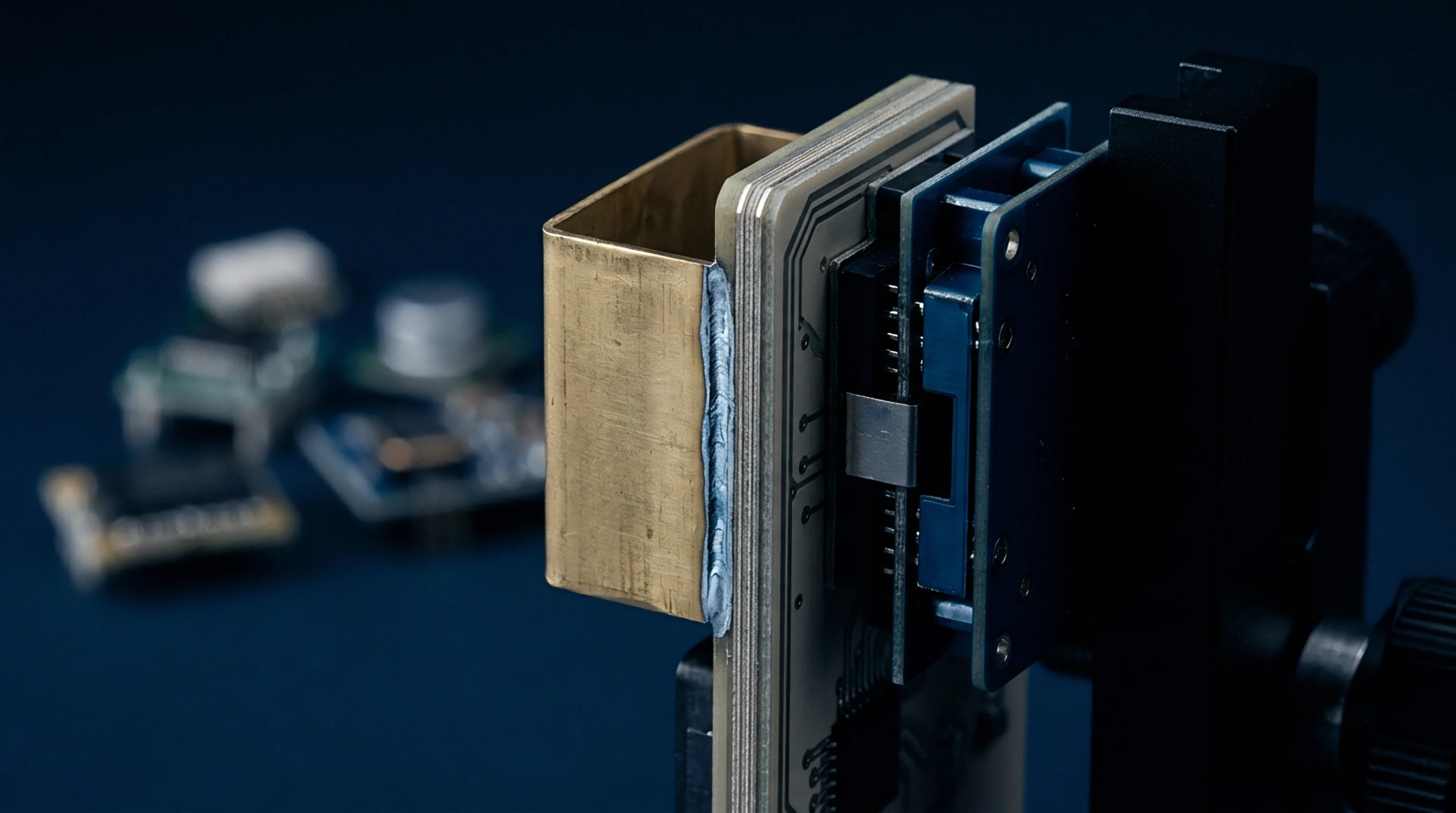
Turnkey sourcing assigns total design and assembly liability to suppliers; semi-custom sourcing splits exposure, assigning custom layout, thermal, and firmware risks directly to buyers.

Baseline optical calibration on assembly lines eliminates mechanical housing tolerances and cross-talk offsets through traceable in-fixture stimulus standards.
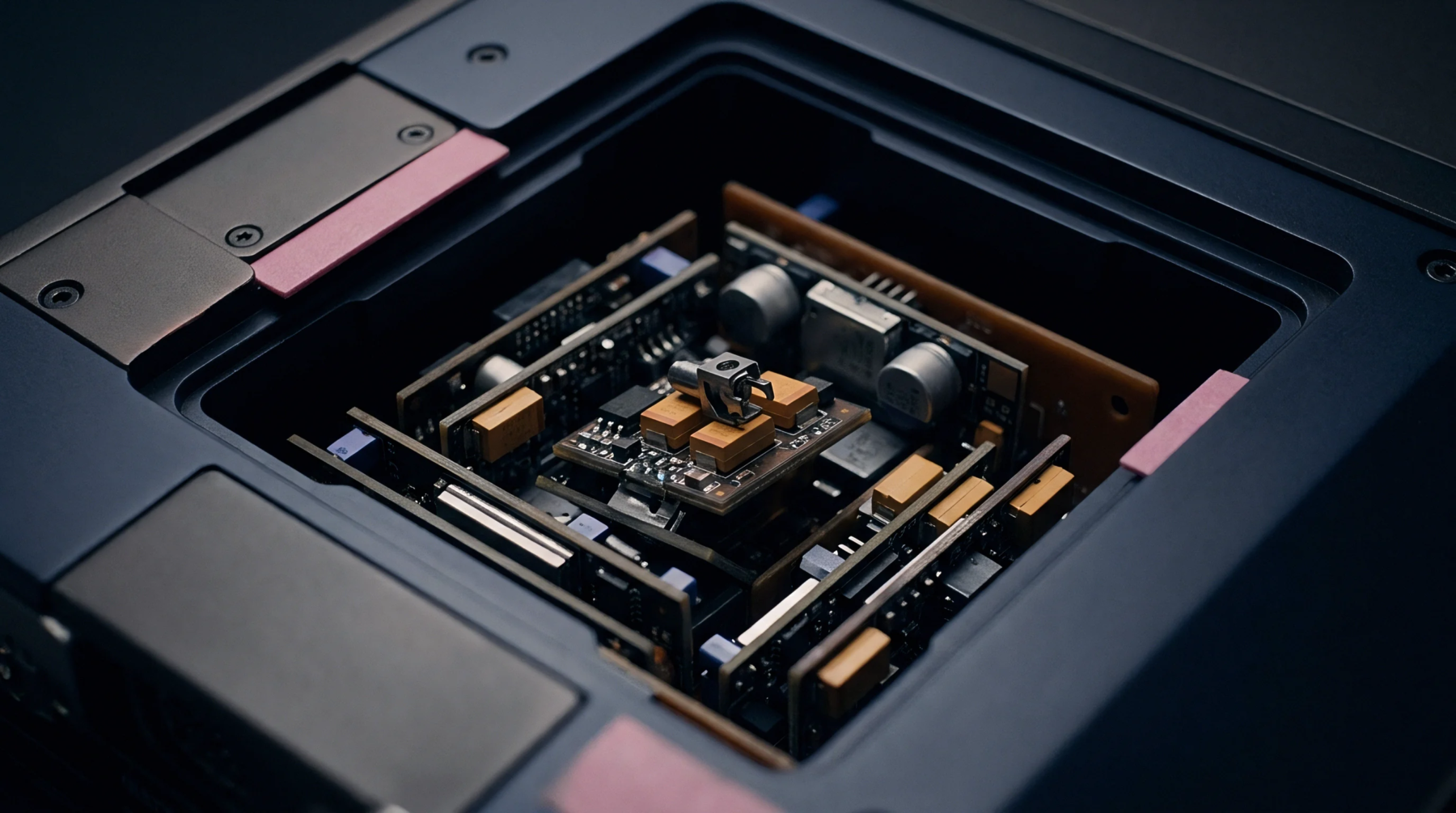
Unbundling engineering fees isolates true component bill-of-materials costs from upfront development labor, preventing margin erosion at scale.

Non-intrusive shadow profiling maps undocumented silicon stepping anomalies through hardware trace funnels to enforce vendor accountability and patch bus timing.
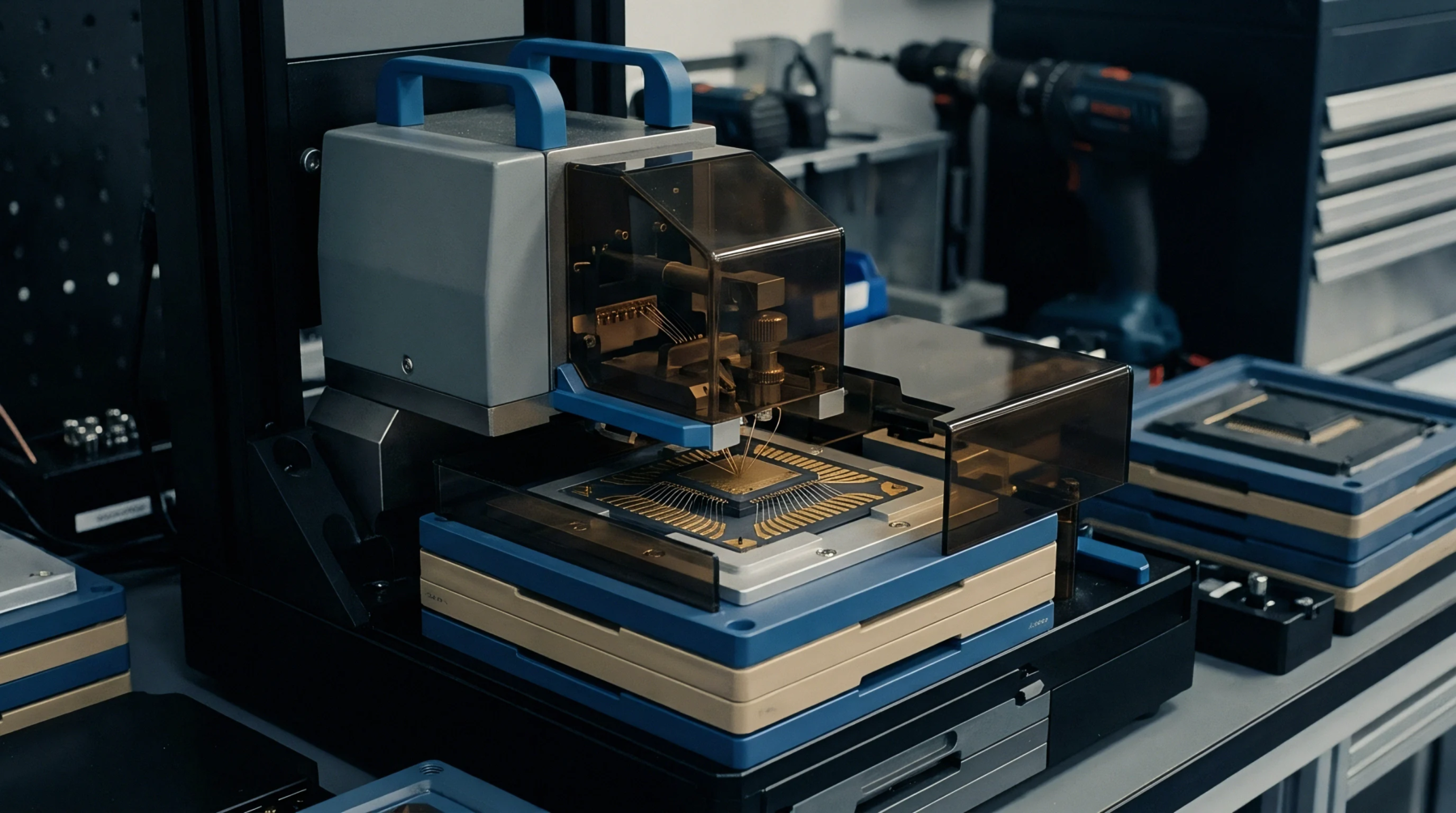
Automated multi-site boundary scan verifies module registers by routing broadcast stimulus to parallel sockets with isolated per-site response comparators.

Firmware recall attribution requires non-volatile hardware fault logging, frozen containerized build artifacts, and strict contractual defect liability schedules.

Automating IPC-2581 stack-up parsing aligns secondary factory laminate inventory with signal integrity targets, eliminating manual engineering delays and scrap.
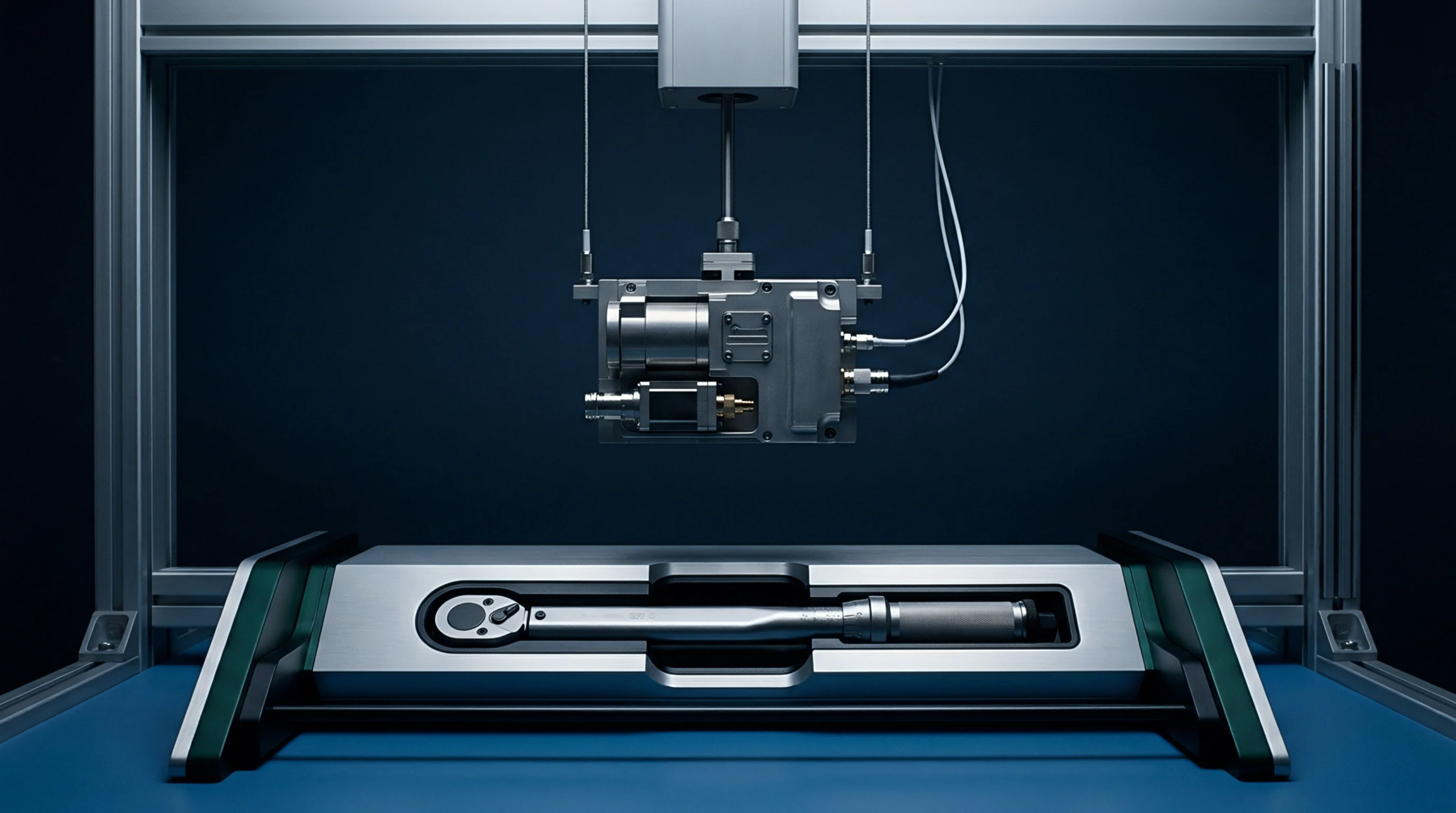
Splitting manufacturing allocations causes yield divergence from stencil, reflow, and ATE variances, driving landed cost premiums up through scrap and NRE.
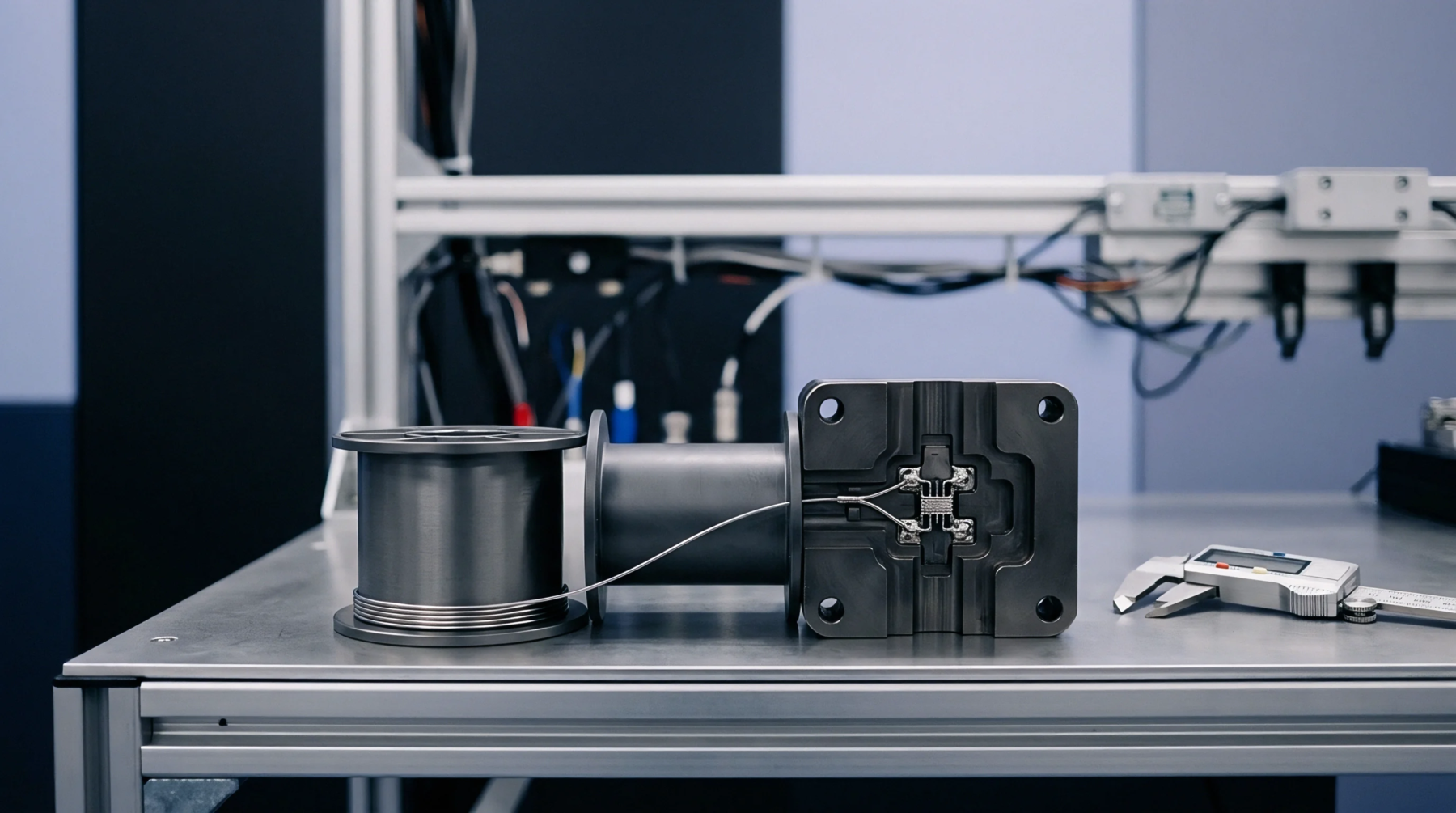
Amortizing non-recurring engineering fees hides volume risk, while secondary supplier setup demands complete native design files and independent test jig duplication.

Calculating thermal joint expansion requires resolving member spring compliance against differential expansion growth to prevent high temperature yield and subzero load loss.

Delta qualification test matrices isolate process node change risks, balancing reduced life testing with targeted silicon stress vectors.

Extracting structural defect models for modified surface mount nets maps parasitic RLC shifts to maintain signal integrity and structural test coverage.
Expertise is a utility, not a secret. sentiention™ publishes its working knowledge as open reference: intelligence layer covering the materials it sources, the markets it enters, and the reference that serves both.