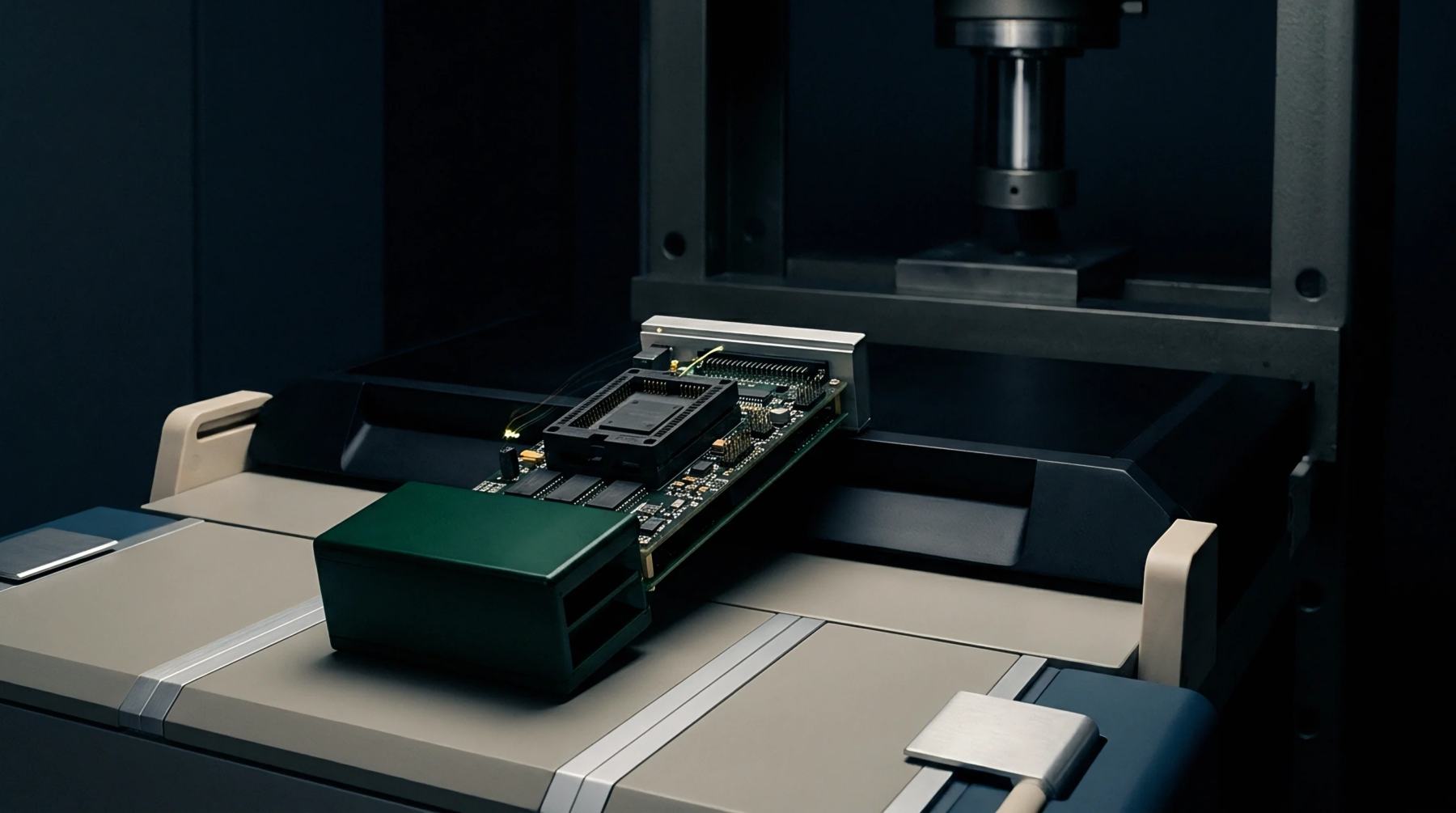
ATE Fixture Design Escrow File Formats and Asset Transfer Procedures
Verify uncompiled native CAD, wiring schedules, and containerized test sequences in escrow to ensure seamless physical fixture transfer and line re-qualification.
Verify uncompiled native CAD, wiring schedules, and containerized test sequences in escrow to ensure seamless physical fixture transfer and line re-qualification.
Auditing second-source factory NRE expenses requires validating baseline design files against billed labor to eliminate duplicate tooling and software fees.

Calculate module tooling balances by deducting verified landed unit amortization credits from the non-recurring principal, settling shortfalls via lump sum.

Enforcing IP transfer mandates verified design files in native formats alongside audited physical tooling registries before settling contract electronics manufacturing disputes.

Distributed test enclaves require hardware-stamped PTP clocks directly wired to secure enclaves to prevent drift-induced remote attestation rejection.

Independent physical assembly and bit-for-bit cleanroom firmware compilation from escrowed files establish production continuity during supplier insolvency.

Module IP classifications in SOW contracts must split background platform code from custom radio layouts and link milestone payments to native source escrow release.
Real ownership of custom wireless hardware requires bit-for-bit reproducible firmware source, factory calibration test vectors, and clear silicon patch terms.
Semicustom module break-even hinges on balancing upfront engineering charges against unit bill-of-material reductions across projected volume thresholds.

Lock process modification boundaries to physical test thresholds, mandatory 180-day notices, and escrow-held manufacturing source files to prevent line lock-in.

Dynamic matrix correction maps real-time structural thermal gradients into six-axis motion stage offsets, preserving sub-micron probe alignment.
Hardware rework cost recovery demands auditable defect attribution separating design transfer errors from contract manufacturer assembly process escapes.

Secure unencrypted native design databases, universal tooling specifications, and bit-reproducible firmware repositories tied directly to staged milestone payouts.

Fixed milestone payments tie transceiver IP transfers to silicon DRC clean sign-off, bit-accurate testbenches, and calibrated evaluation hardware.

A dual-sourcing transfer dossier must couple native CAD data and stencil apertures to unified test firmware to prevent process drift between factories.

Module integration levels dictate engineering ownership, file transfer rights, firmware access, and long-term landed cost metrics across production lifecycles.

Embedded silicon capacitors suppress packaging parasitics when cavity loop inductance stays below 10 pH and co-design balances damping against yield risk.

Mounting capacitors directly on the package backside using filled microvias cuts loop inductance below twenty picohenries and safeguards transient supply rails.

Dedicated FPGA pipelines processing high-frequency acoustic emission transients above one megahertz detect mold wear kinetics before surface micro-galling propagates.
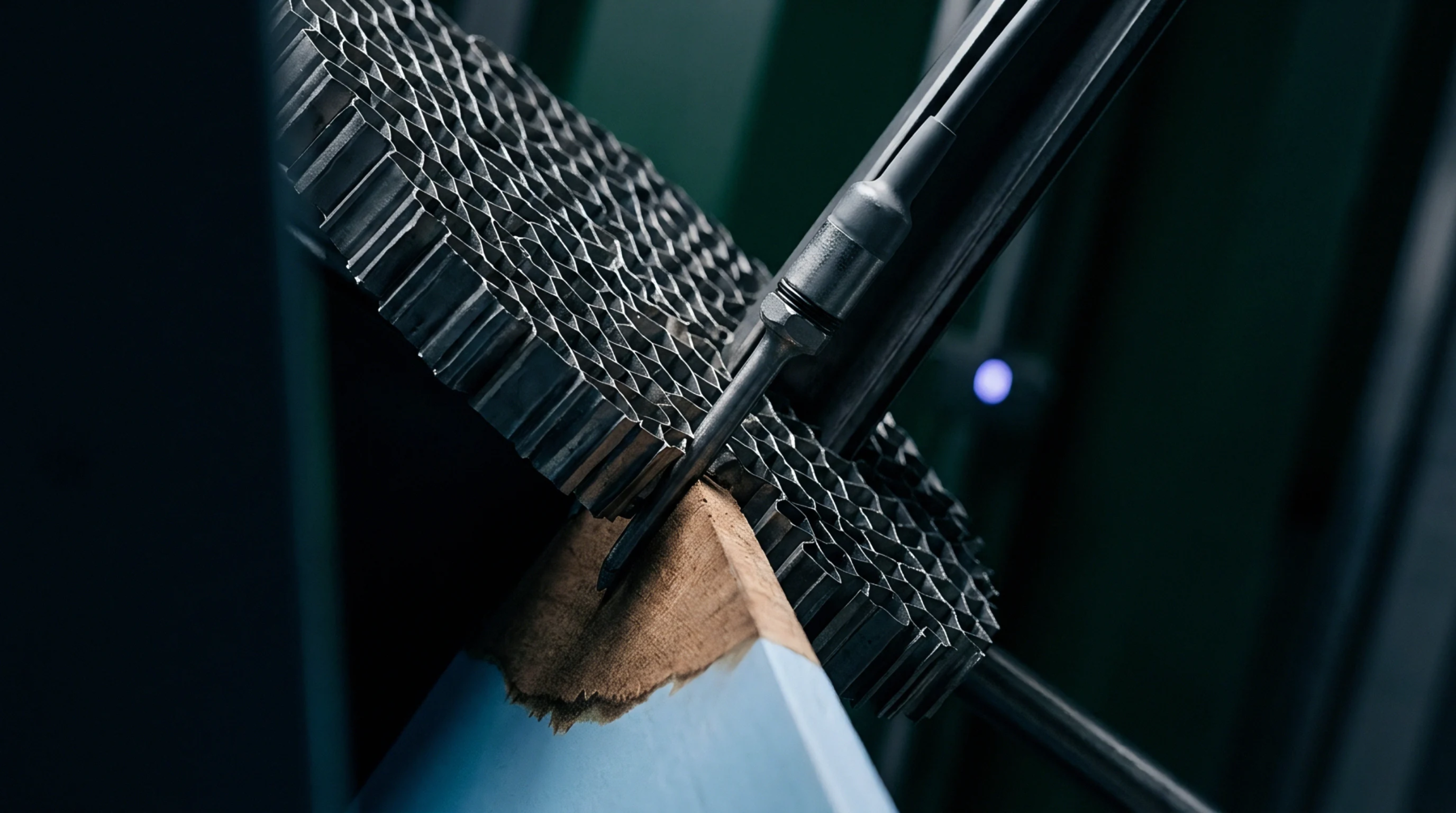
Acoustic emission tooling integration demands direct cavity mounting, gold foil coupling, and defined scope boundaries to isolate wear bursts from press noise.
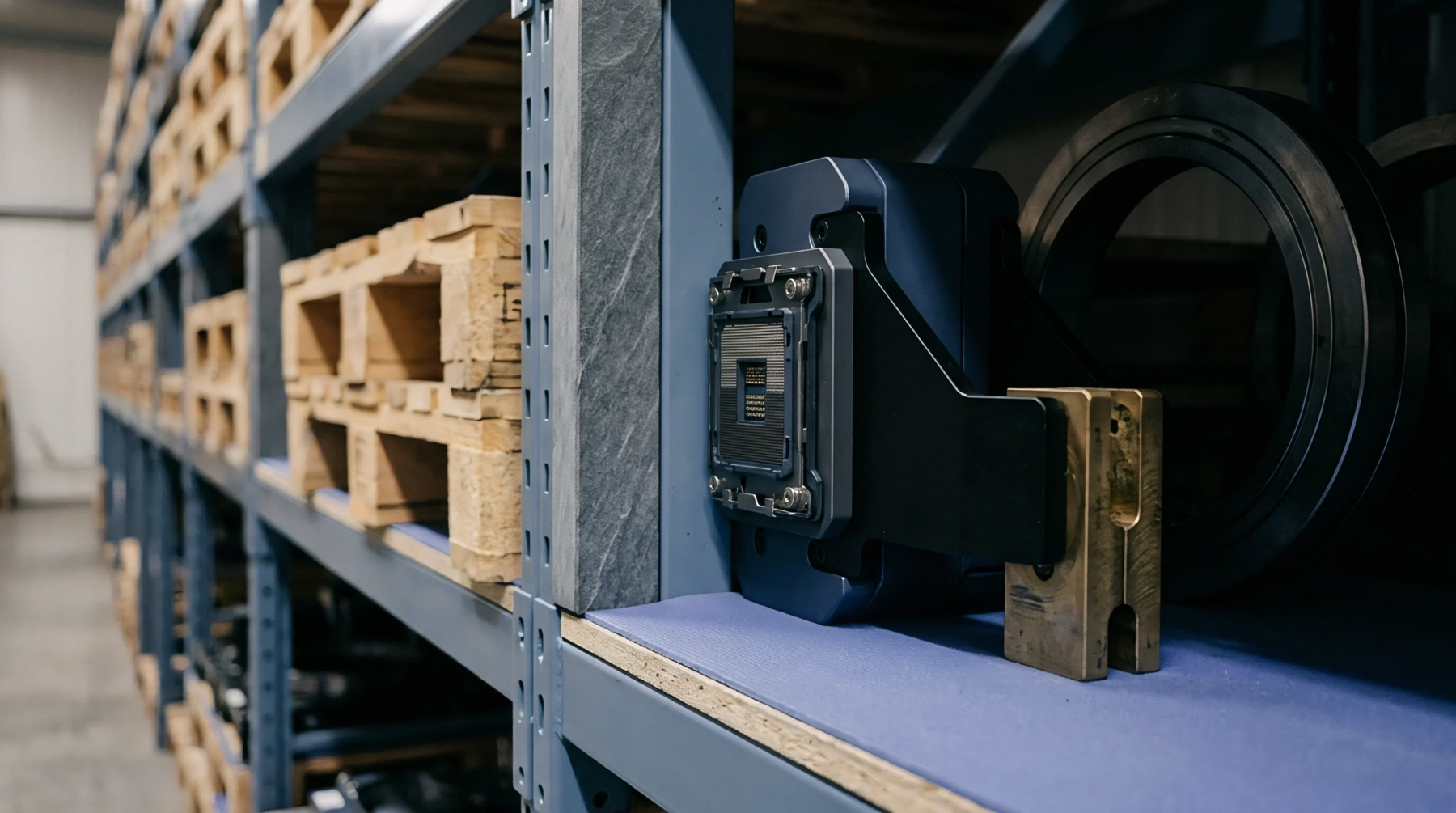
Portability requires itemized NRE payment, uncompiled script source code, native CAD and netlist deliverables, and cold-start verification before sign-off.

Automate change control by compiling native CAD into cryptographically signed IPC-2581 containers that lock SMT machine outputs to verified Git revision tags.
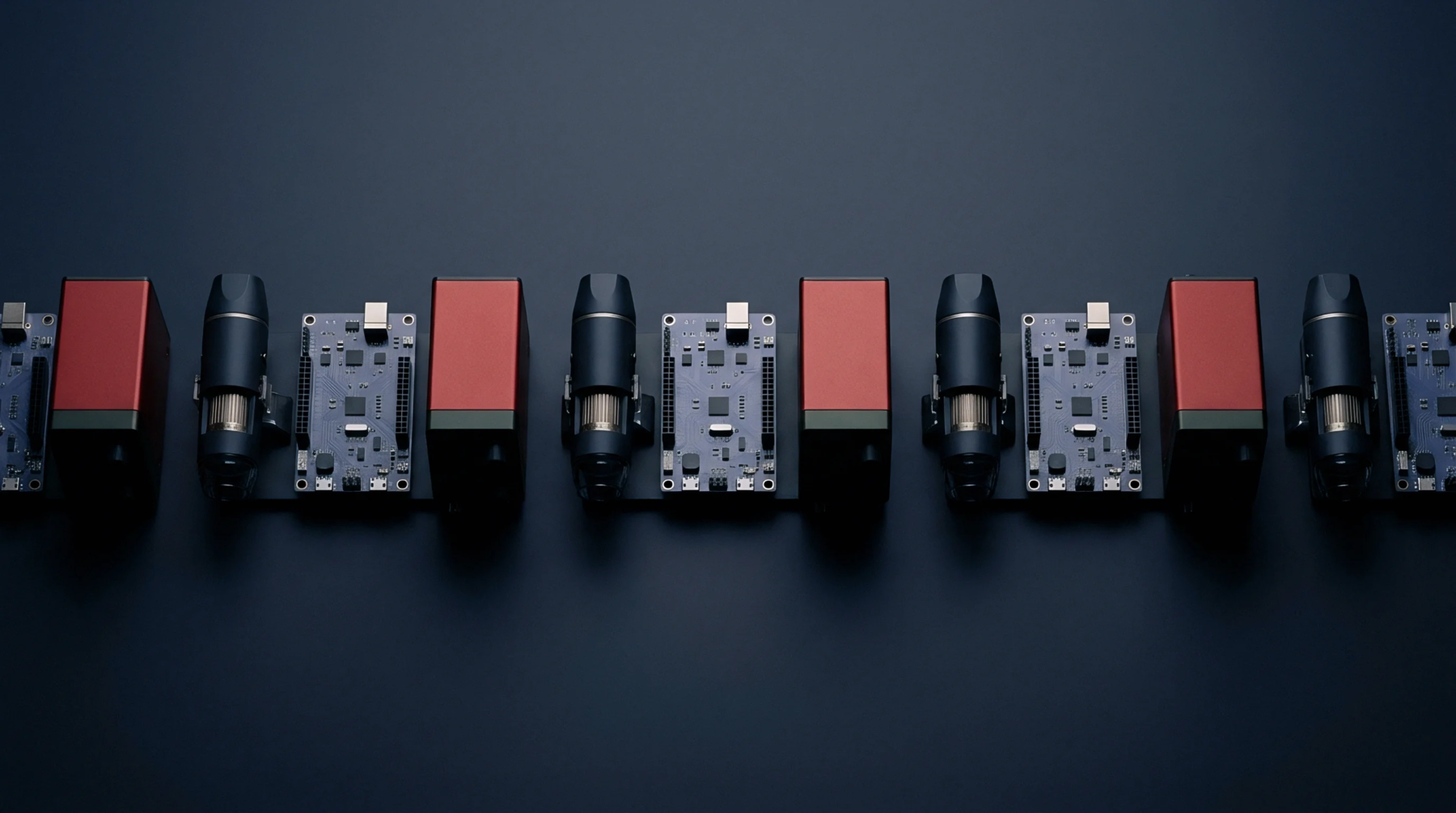
Gerber X2 embeds layer functions, drill spans, and component centroids directly into CAD headers, eliminating manual CAM interpretation and engineering queries
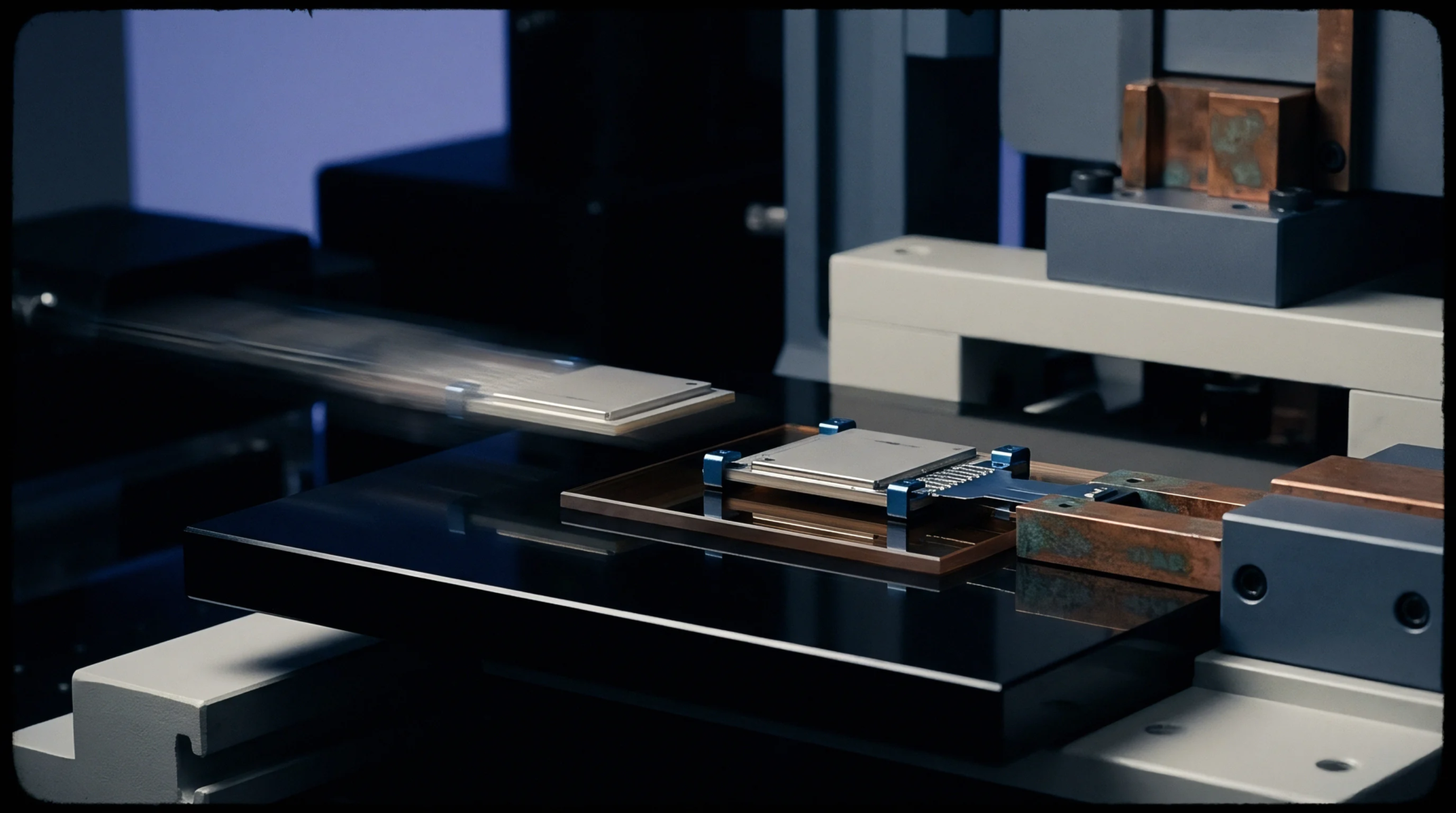
Lock microcode execution to foundry-burned silicon IDs via authenticated key tokens and own all tooling NRE to stop shared assembly lines leaking IP.

Firmware ownership and escrow verification define true hardware landed cost by hedging against vendor lock-in, forced board respins, and unmaintainable binaries.

Shared ODM architectures are identified through identical PCB layouts, matching device tree memory maps, unified tooling marks, and shared FCC test filings.

Establishing HSM enclosures on SMT lines requires strict Z-axis force caps, outgassing vents, and air-gapped key injection to prevent bricking.
Locking turnkey bills of materials requires cryptographic file hashing, explicit manufacturer part numbers, and strict contractually enforced engineering change approval protocols.

Executing wireless hardware design transfer packages requires native CAD files, reproducible firmware build trees, and calibrated automated RF test fixtures.

Decouple non recurring engineering into milestone payments to preserve design ownership, eliminate inflated bill of materials markups, and secure transfer rights.
Expertise is a utility, not a secret. sentiention™ publishes its working knowledge as open reference: intelligence layer covering the materials it sources, the markets it enters, and the reference that serves both.