
Second-Sourcing a Semi-Custom Module Two Years Later
Second-sourcing a semi-custom module two years post-launch demands complete native CAD source files, uncompiled firmware, and validated factory test jigs.
Second-sourcing a semi-custom module two years post-launch demands complete native CAD source files, uncompiled firmware, and validated factory test jigs.

Unbundling hidden engineering hours from unit quotations exposes true manufacturing costs, restores IP ownership, and prevents locked-in margin erosion.

Design transfer success depends on complete native CAD files, containerized firmware builds, unambiguous test specs, and explicit commercial exit clauses.

Factory unit quotes bury design, test jig, and maintenance hours in piece prices, requiring unbundled SOW line items to isolate engineering labor and IP rights.

Schematic netlists define logical connections, but copying vendor reference designs without matching physical PCB substrate stackup and trace geometries destroys RF performance and causes immediate electromagnetic compliance failures.
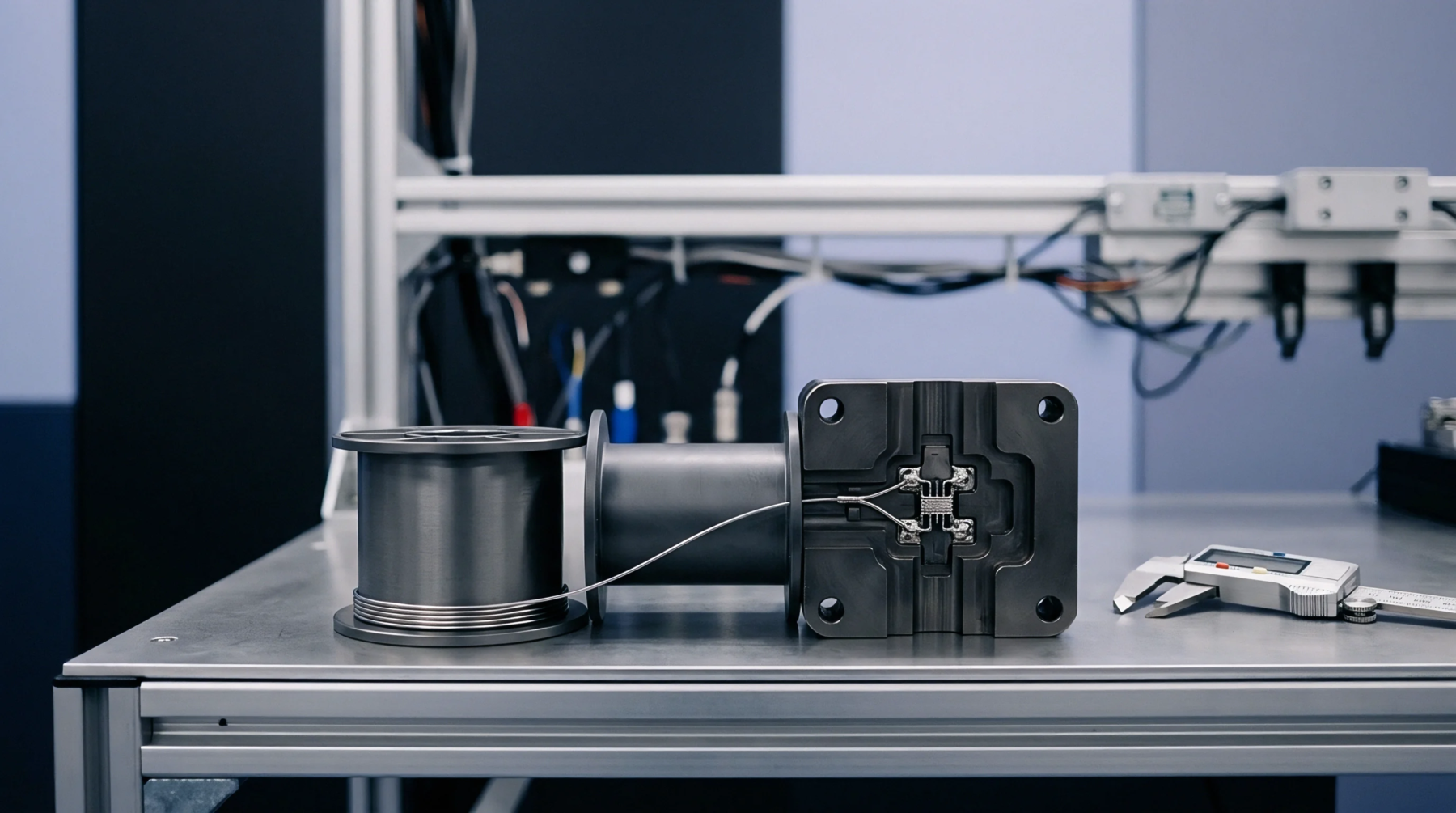
Module IP ownership requires explicit transfer of native CAD files, uncompiled firmware toolchains, and test jigs to break supplier lock in.

Turnkey manufacturing IP assignments require explicit foreground code ownership, unencumbered CAD file delivery, and contractually binding mold extraction rights.
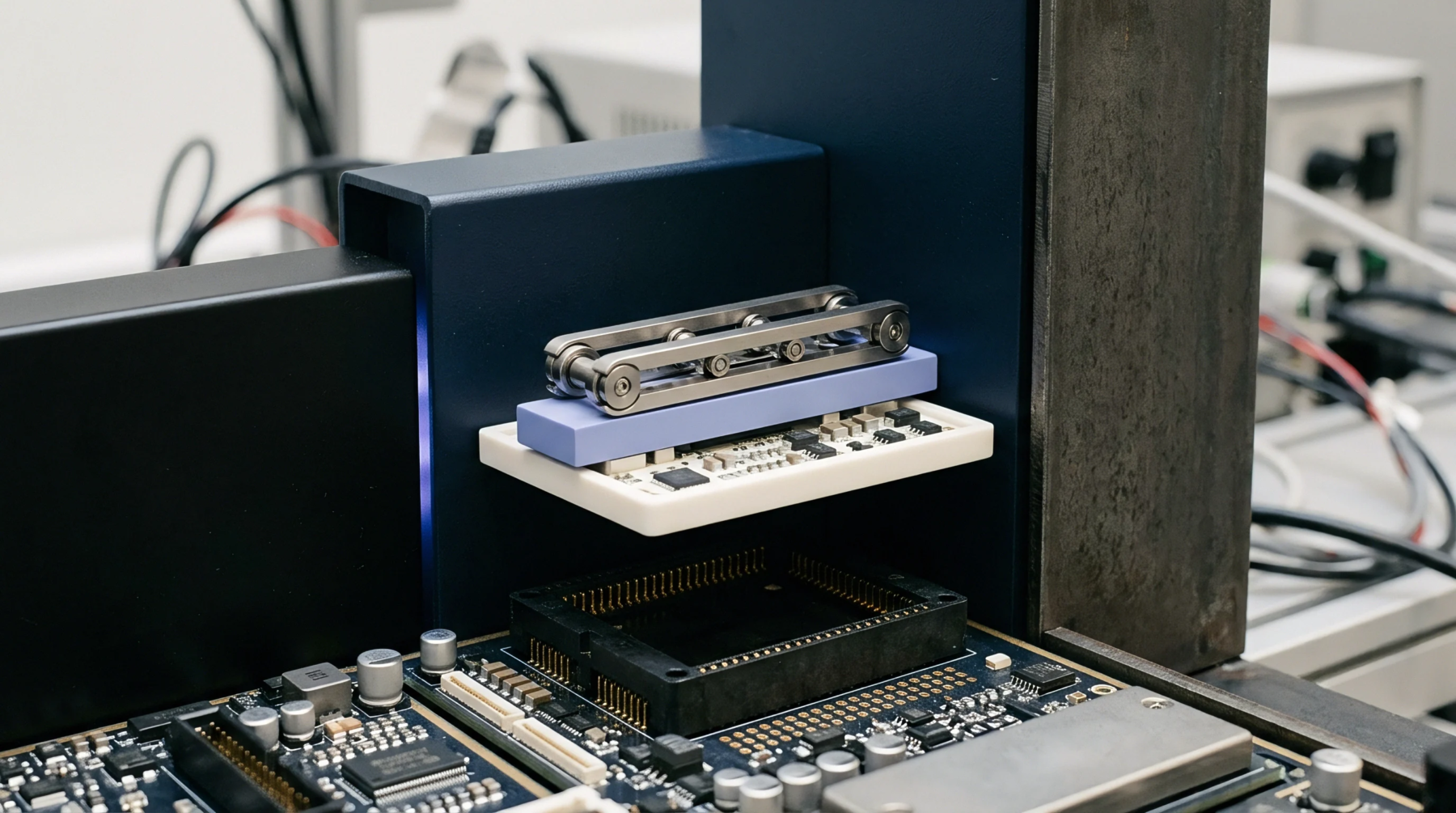
Post-production changes require locked baseline dossiers, physical rework verification under IPC standards, and strict serial number tracking to prevent line escapes.

Enforceable process change protocols require clear risk metrics, explicit technical deliverables, and financial penalties for unannounced changes.

Unbundling non-recurring engineering hours in unit quotes isolates amortized costs, establishes clear work boundaries, and protects firmware ownership.
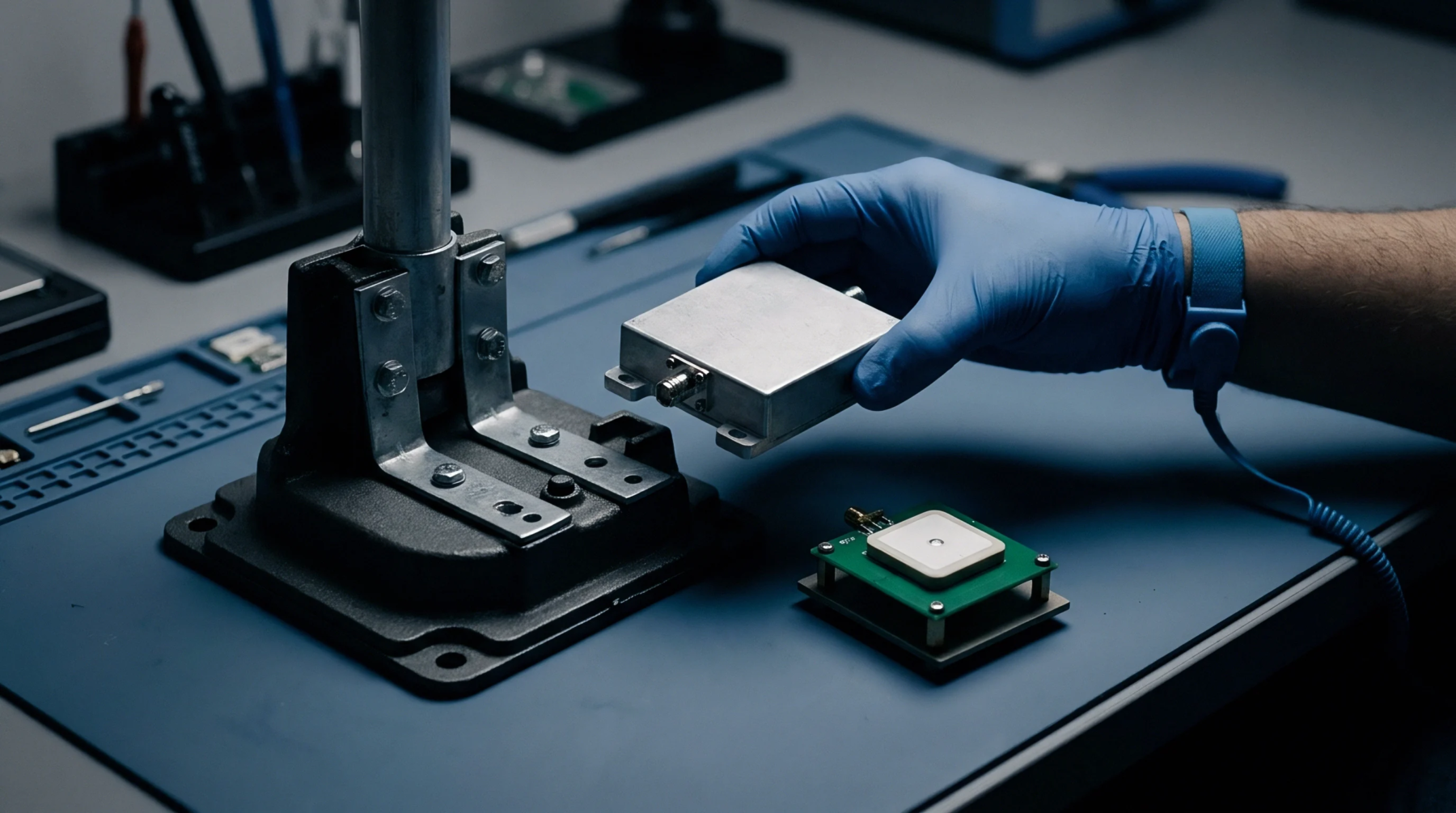
Unbundling non-recurring engineering fees from unit prices protects hardware margins and guarantees access to native design databases during manufacturing scale.

Evaluating dual source transfer packages requires auditing source documentation completeness, matching physical substrate parameters, and tracking landed costs.

Evaluating source file completeness and build environment isolation guarantees secondary production autonomy through verified bit-deterministic firmware compilation.

Resolving unmapped microcontroller errata during dual site handoffs requires signal mapping, containerized builds, and binary symbol escrow.
Unbundling firmware drivers and test fixtures requires explicit source repositories, containerized builds, physical CAD files, and audited fixture escrow.

Validating factory fabrication packages for multi-sourced wireless modules requires IPC-2581 layer mapping, netlist verification, and RF calibration parity.

Multi tier hardware contracts assign liability by linking component change notifications directly to delta qualification matrices and capped pass-through indemnities.

Auditing transfer packages demands verifying native CAD files, bit-for-bit firmware build parity, ATE jig calibration logs, and ECN histories before tooling.

Dual sourced wireless module manufacturing package files require synchronized substrate stackups and hardware sensing firmware to resolve binary divergence.

A test fixture statement of work must specify pin contact physics, calibration traceability, measurement uncertainty budgets, and native design deliverables.
Module IP management requires defining baseline assets, acquiring raw CAD and containerized build packages, and securing clear derivative assignment.
Unbundling engineering deliverables separates physical component supply from native design files, firmware repositories, and test fixtures, ensuring dual-sourcing rights and transparent landed costs.

Decoupling engineering scope from bill of materials costs requires upfront NRE milestone gates, open-book component auditing, and native file handovers.

A complete wireless design transfer requires native CAD databases, test fixture software, and clear grant ownership to prevent dual-source failure.

Transfer circuit files using IPC-2581 or Gerber X2 with IPC-D-356 netlists to ensure automated CAD validation and prevent assembly errors.

In line acoustic emission sensors detect mold cavity insert micro wear and coating spalling by filtering mechanical press noise above 100 kHz.

Crossborder transit calibration standards require ISO 17025 traceable metrology baselines and thermal soak verification to isolate transport drift from factory defect.

Minimizing loop inductance in fine-pitch layouts requires microvia-in-pad placement, thin dielectric cores under 50 µm, and tight power-ground via coupling.

Effective module sourcing requires explicit contractual boundaries defining design dossier ownership, firmware source access, and clear NRE amortization terms.

Establishing hardware and firmware transfer rights demands uncompiled source code, raw layout schematics, build containers, and verified test fixtures.
Expertise is a utility, not a secret. sentiention™ publishes its working knowledge as open reference: intelligence layer covering the materials it sources, the markets it enters, and the reference that serves both.