
Calculating Base Module Unit Economics for Standard Wireless Interfaces
Base wireless module unit economics balance silicon bill-of-materials costs and testing yields against the volume needed to dilute fixed certification capital.
Base wireless module unit economics balance silicon bill-of-materials costs and testing yields against the volume needed to dilute fixed certification capital.

Controlled spring preloads isolate thermal growth and eliminate micro-slip hysteresis along precision optical encoder scales.

Precision scale relocation demands staged unpowered thermal soaking and powered warm-up to eliminate chassis gradients before performing span calibration.
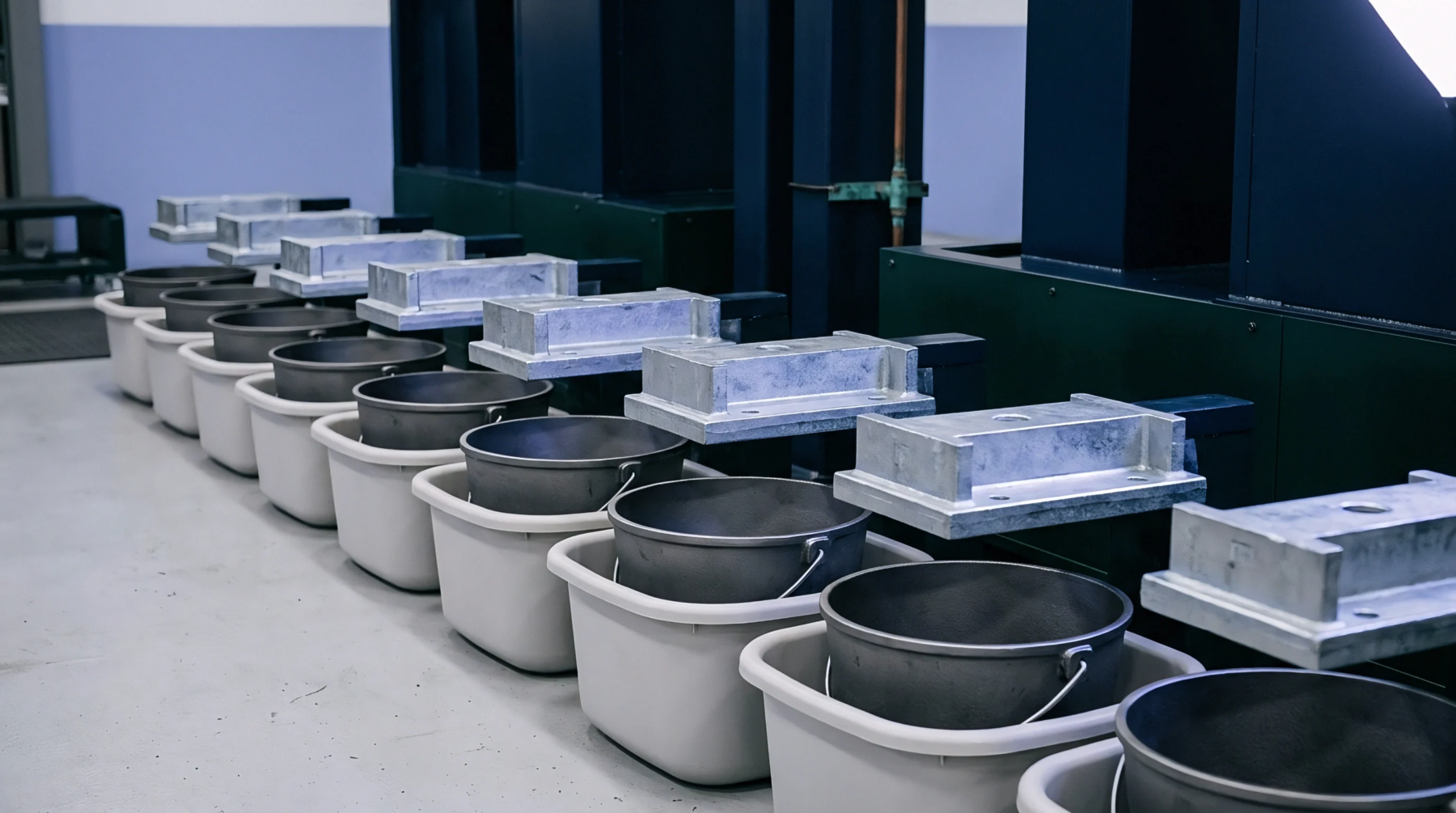
Quantifying CMM transport frame distortion limits requires pre-move laser metrology, tri-axial shock tracking under 2.5 G, and precision re-leveling.

Pre-move ISO 10360 baseline maps isolate transit damage from site errors, preserving coordinate machine volumetric accuracy across facility moves.
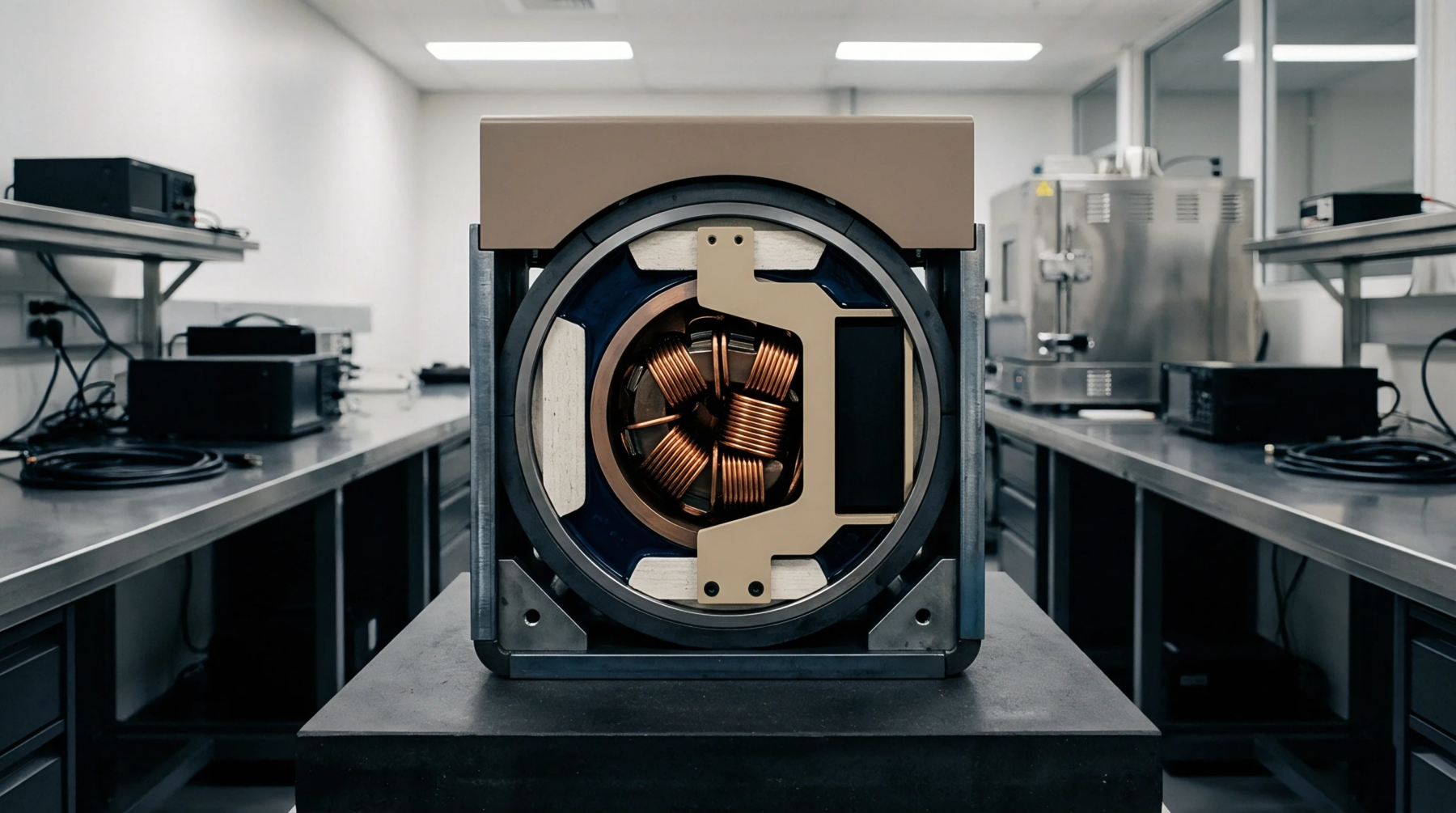
Pre-relocation CMM baseline calibration executes ISO 10360-2 volumetric tests and archives software error maps to establish legal liability before transport.

Contractual toolchain decay liability requires containerized build escrows, bit-for-bit verification covenants, and explicit re-certification indemnities.

Structured retainer allocation models protect long-lifecycle hardware programmes by funding containerized toolchain maintenance and active test jigs.
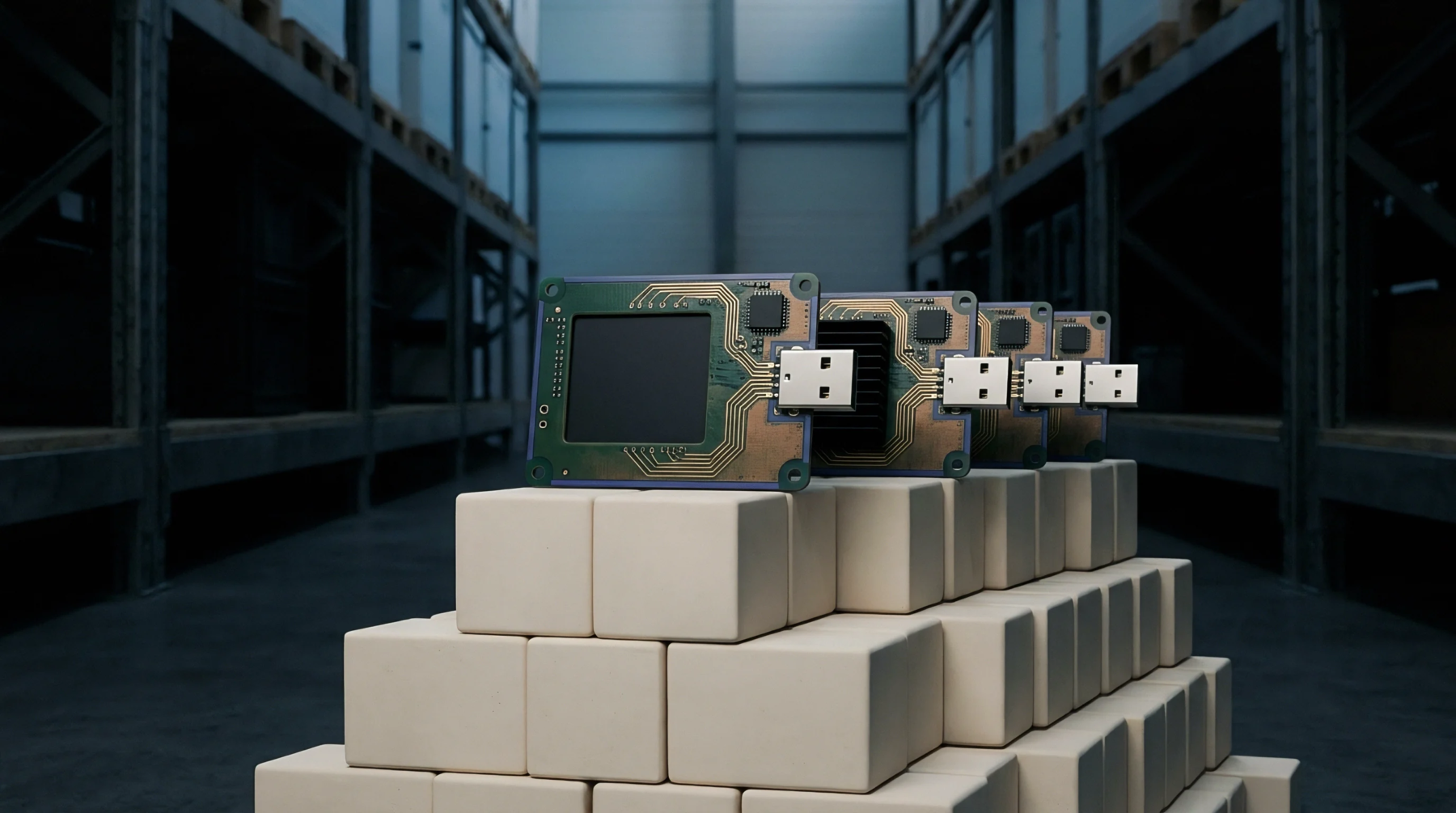
Preserving firmware build environments via containerization ensures multi-decade binary reproducibility and eliminates external dependency collapse during design transfers.
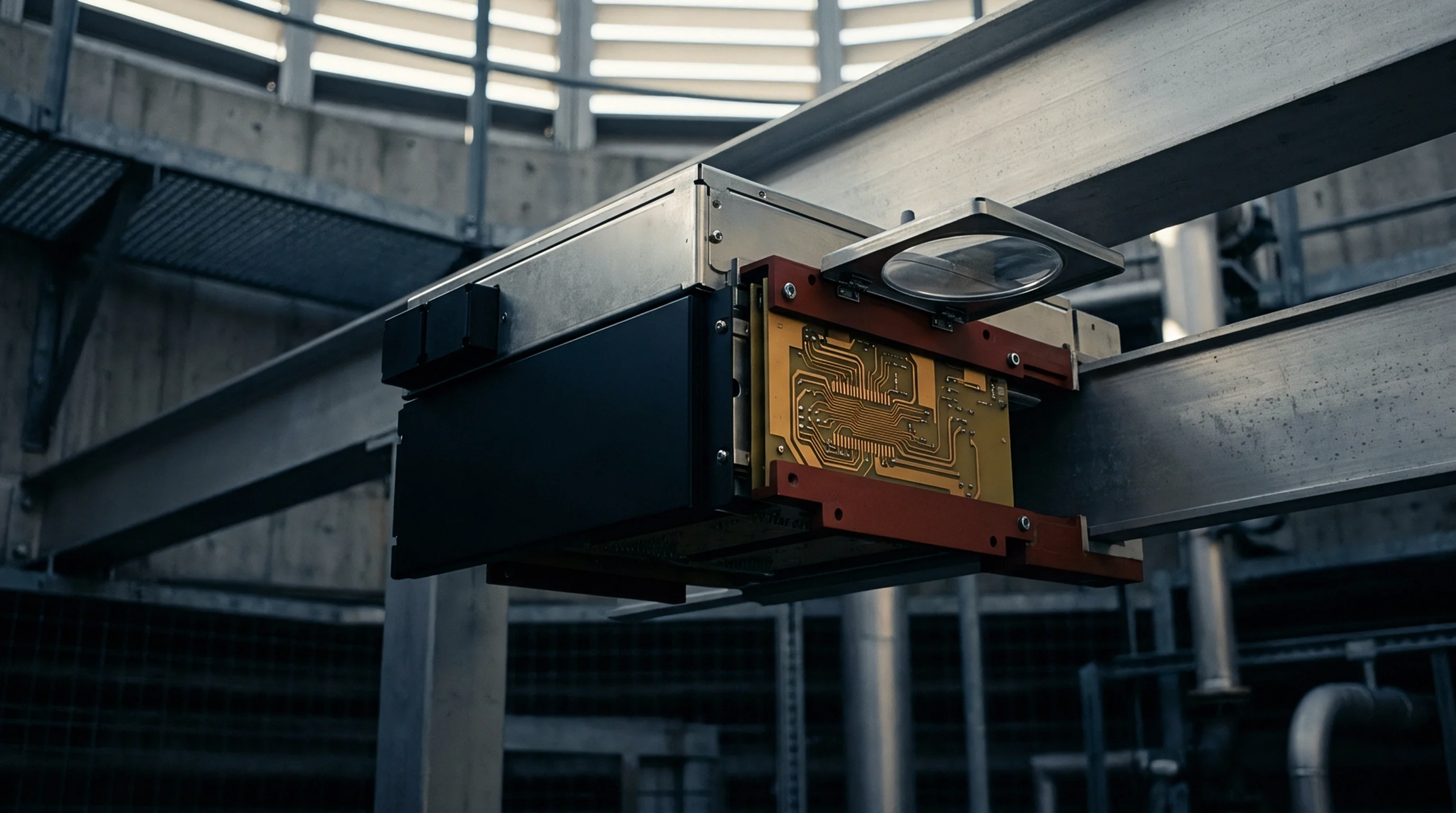
Contractual remediation obligates binary blob vendors to provide source escrow, wrapper shims, or fixed SLA delivery for upstream LTS kernel compatibility.

A contract manufacturer BSP handover succeeds only when delivering complete, containerized source repositories that reproduce bitwise-identical images.

Low-level driver allocation fixes system latency, flash requirements, and code ownership across semi-custom module hardware boundaries.

Contractually binding automated build containers and physical hardware in the loop execution resolves embedded escrow limits during active software maintenance.

Containerized firmware toolchains and cryptographic binary parity verification eliminate multi-week bring-up delays and vendor lock-in during secondary sourcing.
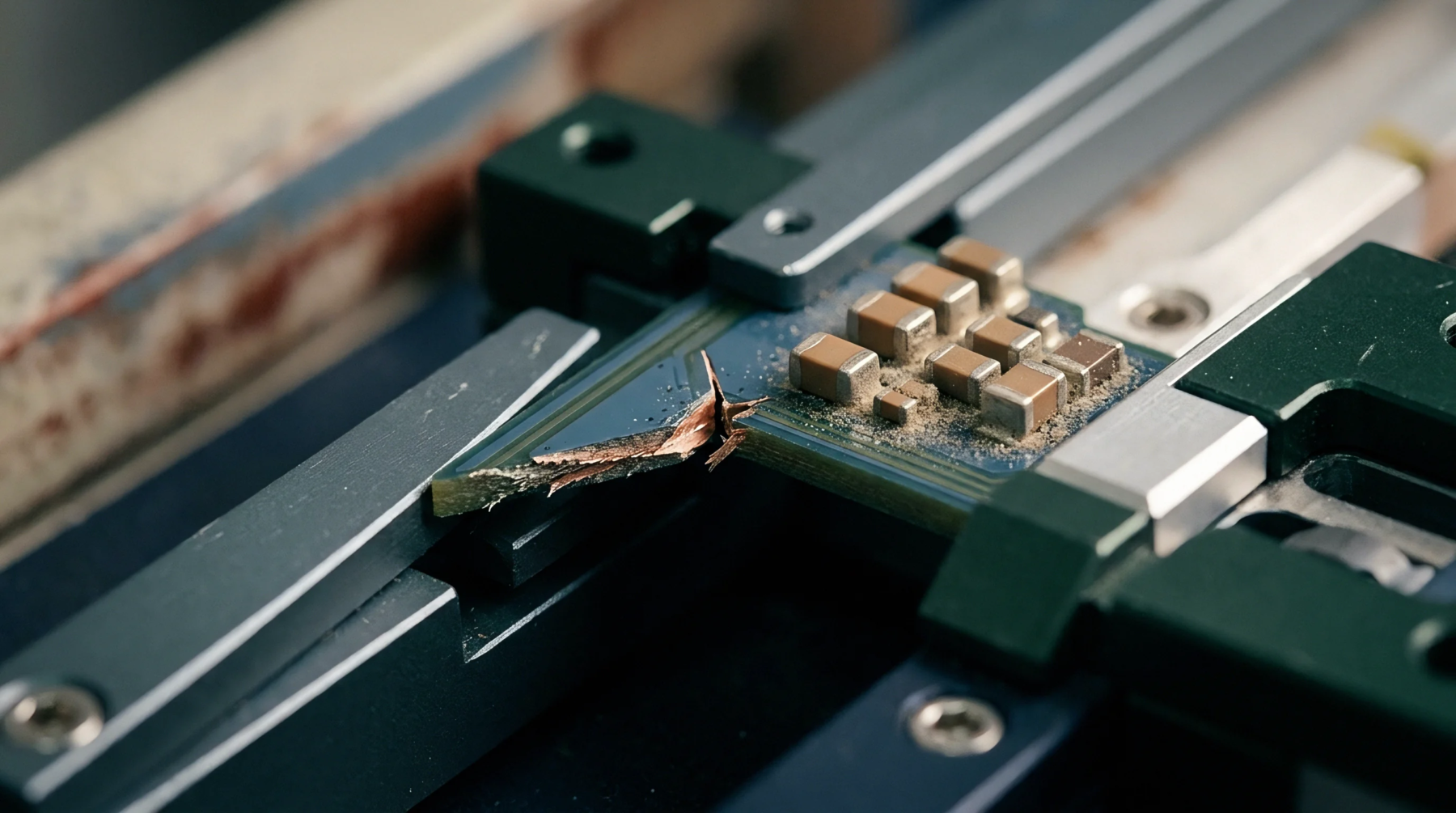
Firmware escrow agreements protect secondary manufacturing bring-up by enforcing containerised deterministic build audits before releasing bailed source archives.

Dual factory firmware packaging eliminates secondary bring-up failures through signed, self-describing container images that enforce hardware-agnostic flashing.

Firmware source licensing in turnkey contracts requires deliverable source code, containerized toolchains, and fixture test scripts to avoid factory lock-in.

Unannounced RFIC silicon stepping changes exceeding 0.5 dB conducted power or 3 dB spur limits invalidate modular grants, forcing Class II Permissive Changes.

Interconnect dielectric variance alters parasitic capacitance on trim networks, demanding widened wafer probe guardbands to prevent post packaging drift failures.

Lock process modification boundaries to physical test thresholds, mandatory 180-day notices, and escrow-held manufacturing source files to prevent line lock-in.

Hardware changes affecting form, fit, function, interface timing, or compliance require 90-day advance notice, test dossiers, and formal customer approval.
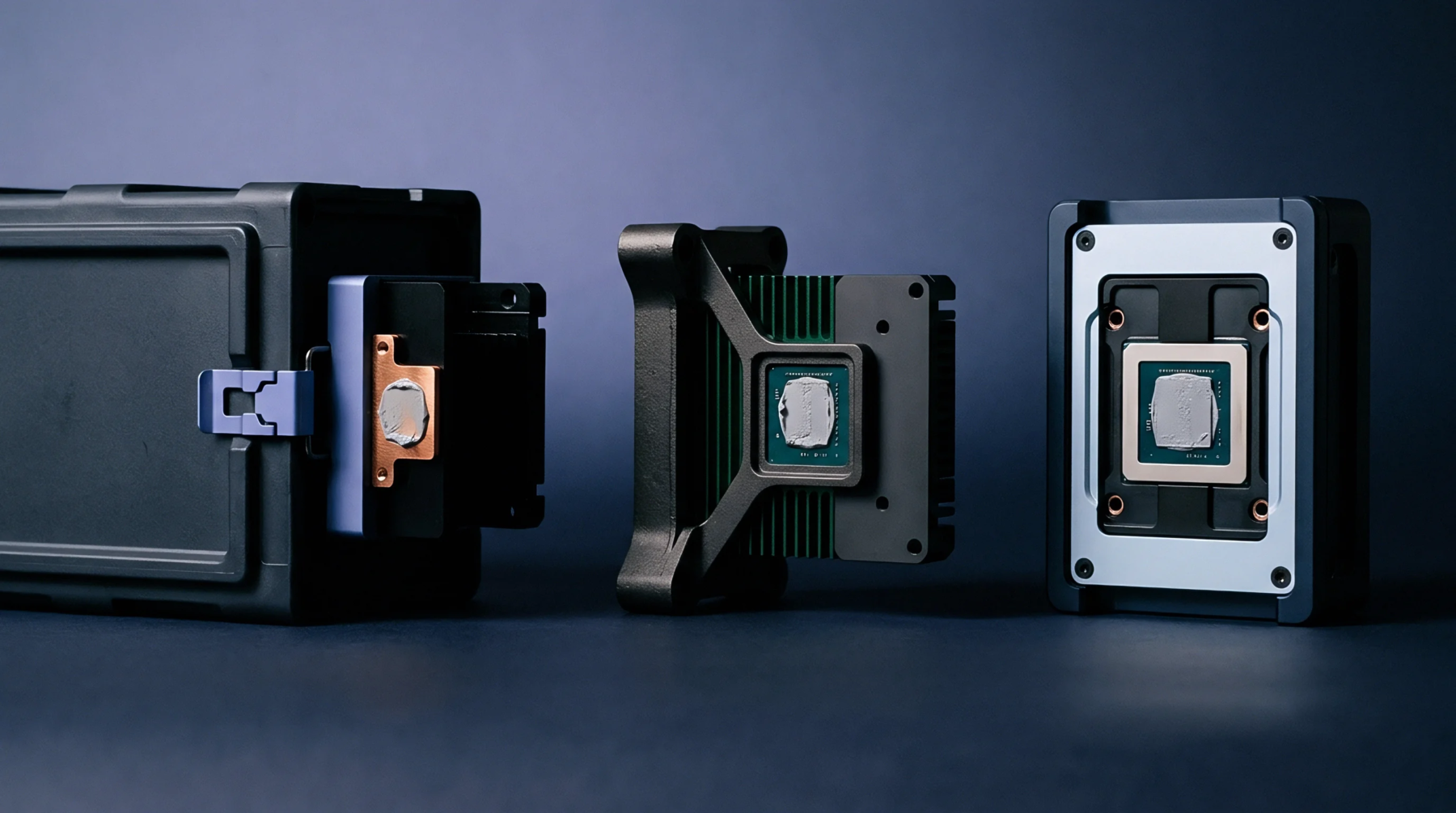
Automated reticle tracking and thermal impedance limits isolate supplier defect liability when dual-sourced optical packages diverge over operating temperatures.

Monolithic transceiver test accuracy depends on de-embedding ATE loadboard parasitics through rigorous error vector validation before committing production wafers.
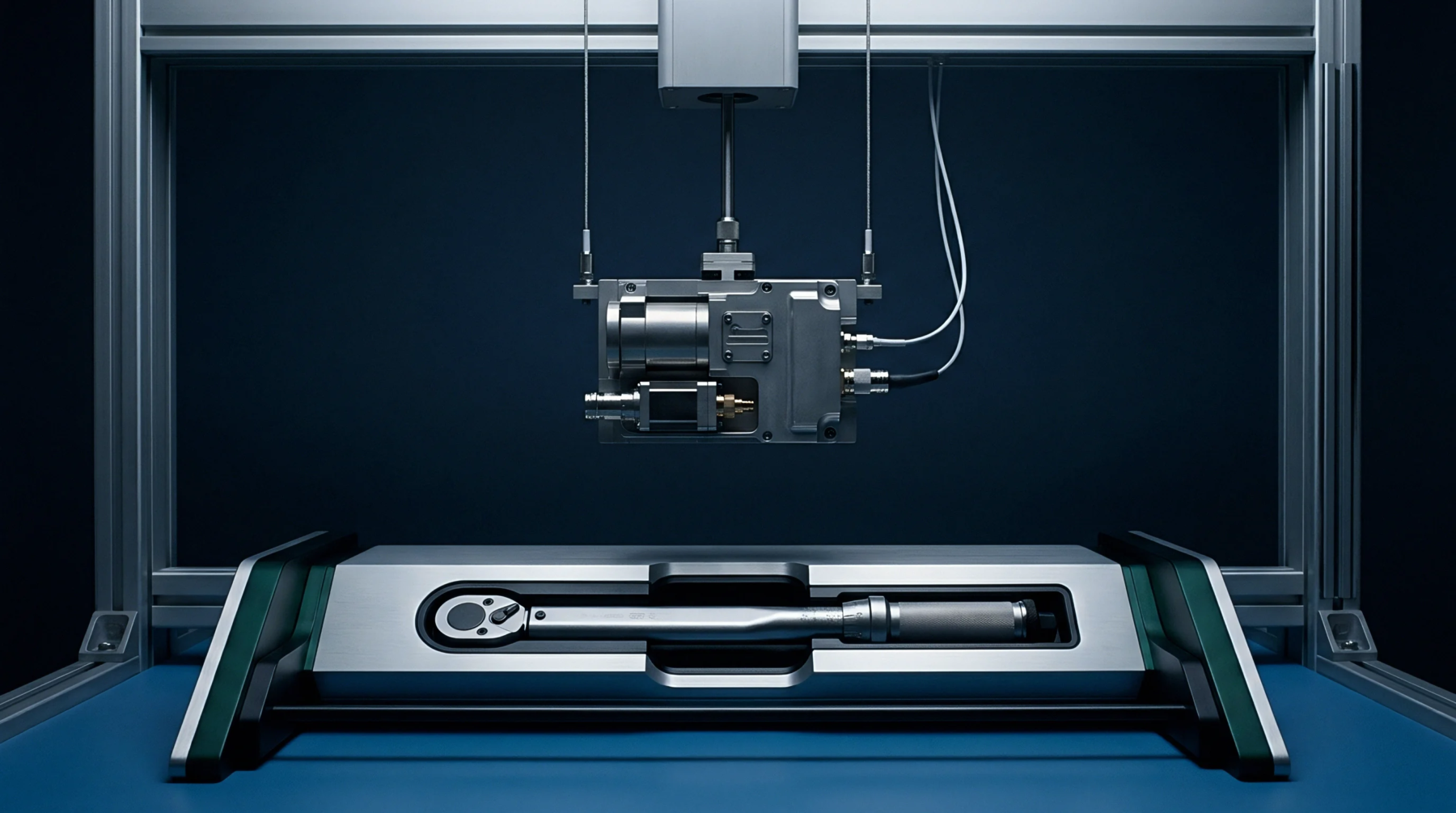
Silicon revisions alter transceiver parasitics, invalidating static calibration tables and degrading receiver image rejection unless firmware arrays update.

Silicon stepping updates require rigorous delta EMC testing to verify that altered die geometries do not trigger mandatory Class II filings or new FCC IDs.

Verify silicon stepping registers during boot to execute matching errata patches before peripheral initialization locks the hardware interface.

Dynamic matrix correction maps real-time structural thermal gradients into six-axis motion stage offsets, preserving sub-micron probe alignment.

Active in-situ thermoelectric compensation stabilizes multi-axis sensor test platens, preventing dynamic thermal gradients from corrupting inertial calibration.
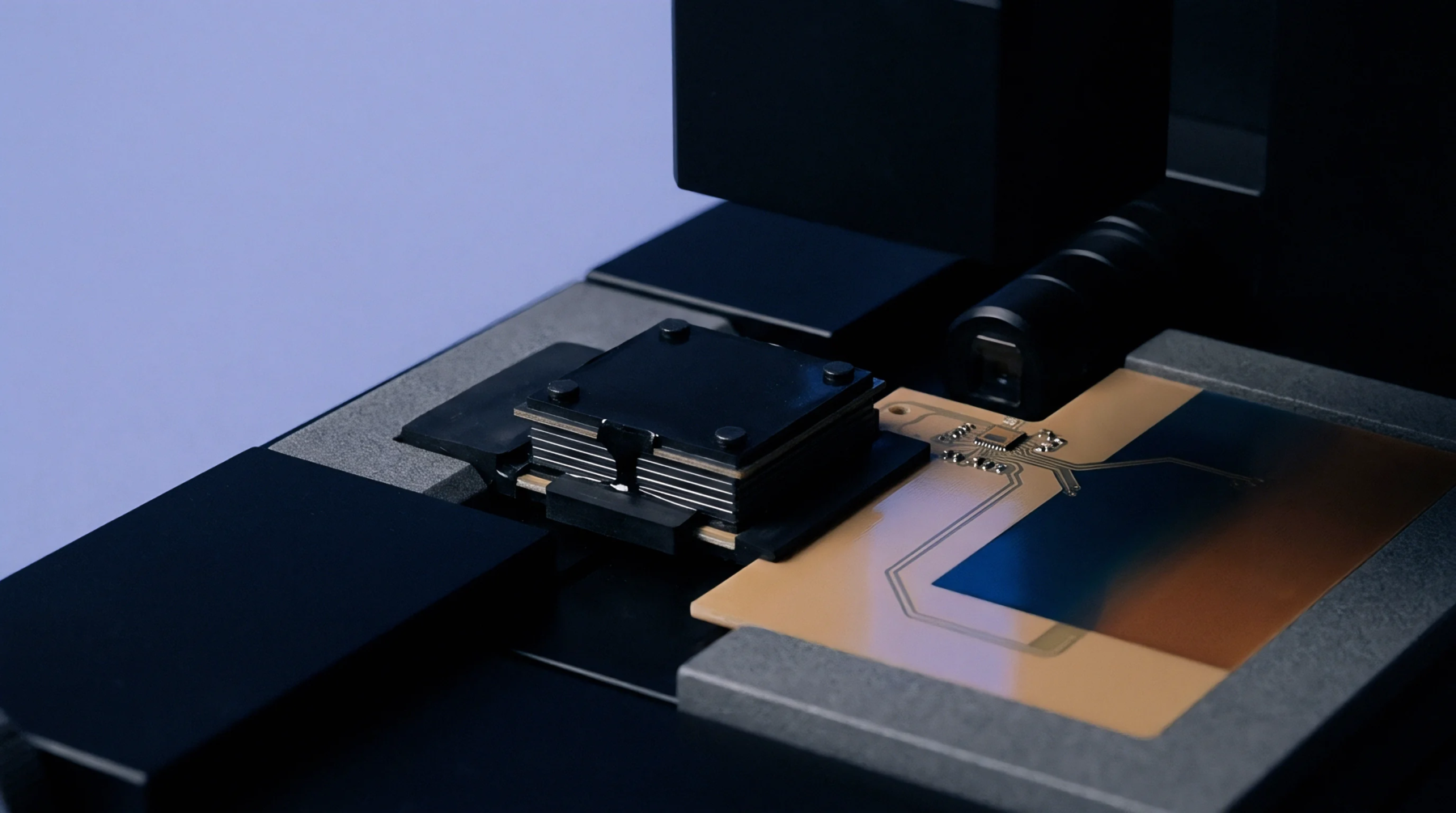
Kinematic drift in multi-axis test stations stems from thermal gradients and contact fretting, demanding hardened seats and active vision recalibration.

Unmonitored sensor drift shifts stoppage costs to the tooling custodian unless contract terms explicitly require continuous automated telemetry logging.
Expertise is a utility, not a secret. sentiention™ publishes its working knowledge as open reference: intelligence layer covering the materials it sources, the markets it enters, and the reference that serves both.