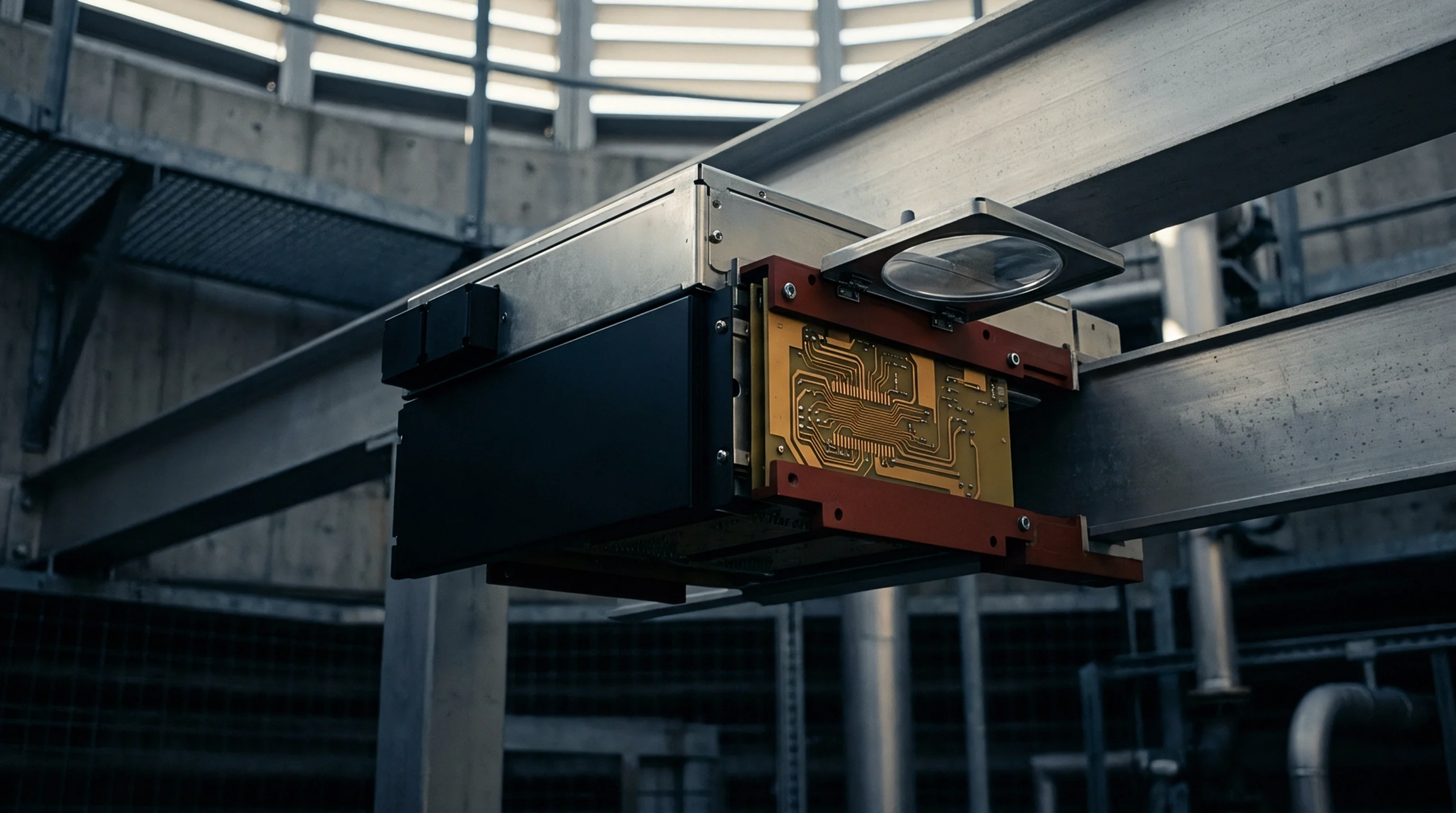
Statistical Process Control Limits for High Speed Component Placement Fixtures
Statistical process control limits for placement fixtures isolate pocket wear and thermal expansion from machine gantry errors to prevent component pad misalignments.
Statistical process control limits for placement fixtures isolate pocket wear and thermal expansion from machine gantry errors to prevent component pad misalignments.
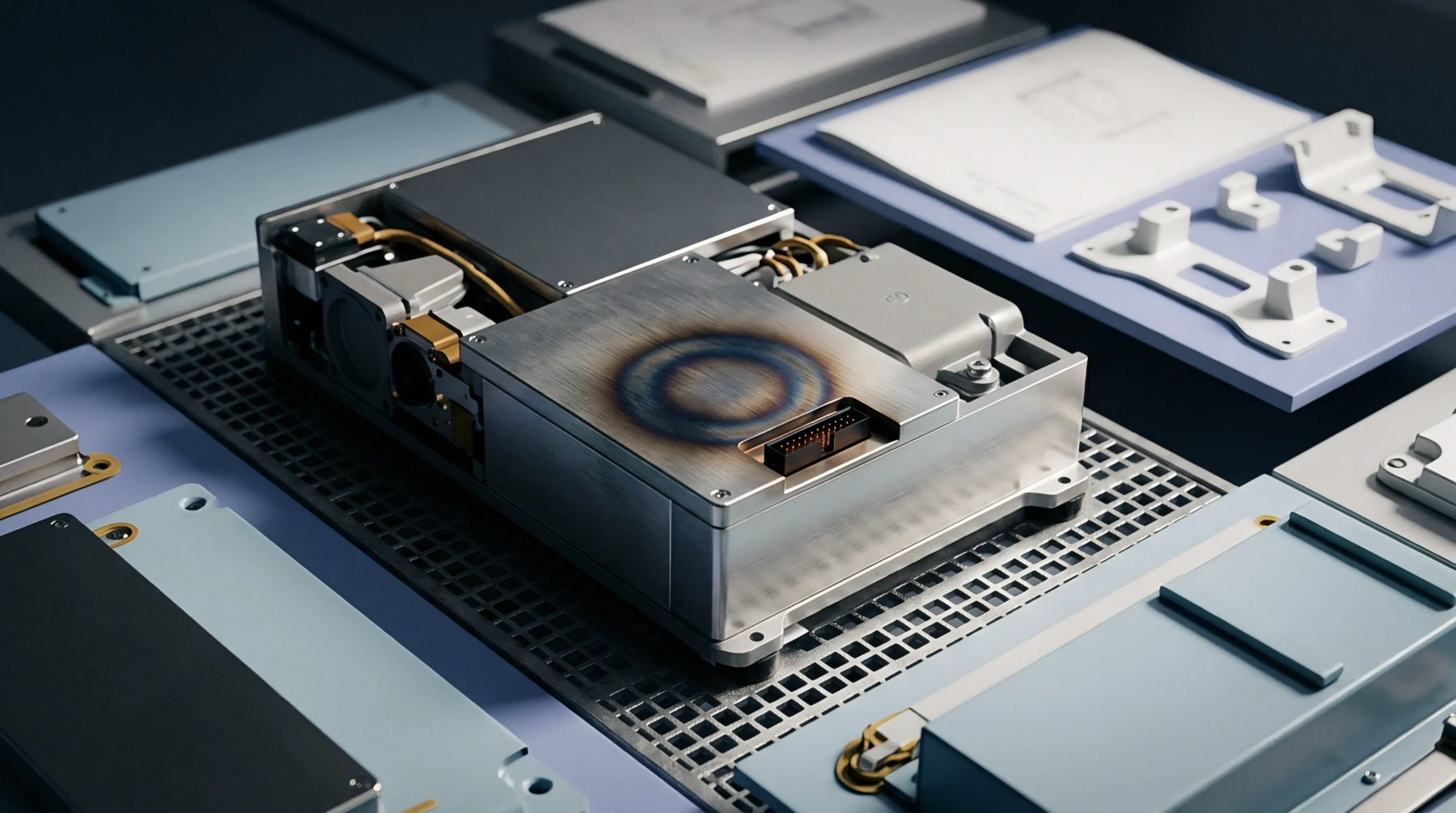
Dynamic calibration decay analysis and cycle-based preventative maintenance prevent latent joint failures and high scrap costs in automated module assembly.

Enforcing multi-source hardware rework recovery requires pairing inline automated test logs with SEM cross-sections to legally validate supplier debit memos.

Shared rework recovery hinges on microsectioned metallurgical proof of line faults before issuing staggered contractual debit notes against supplier yield guarantees.
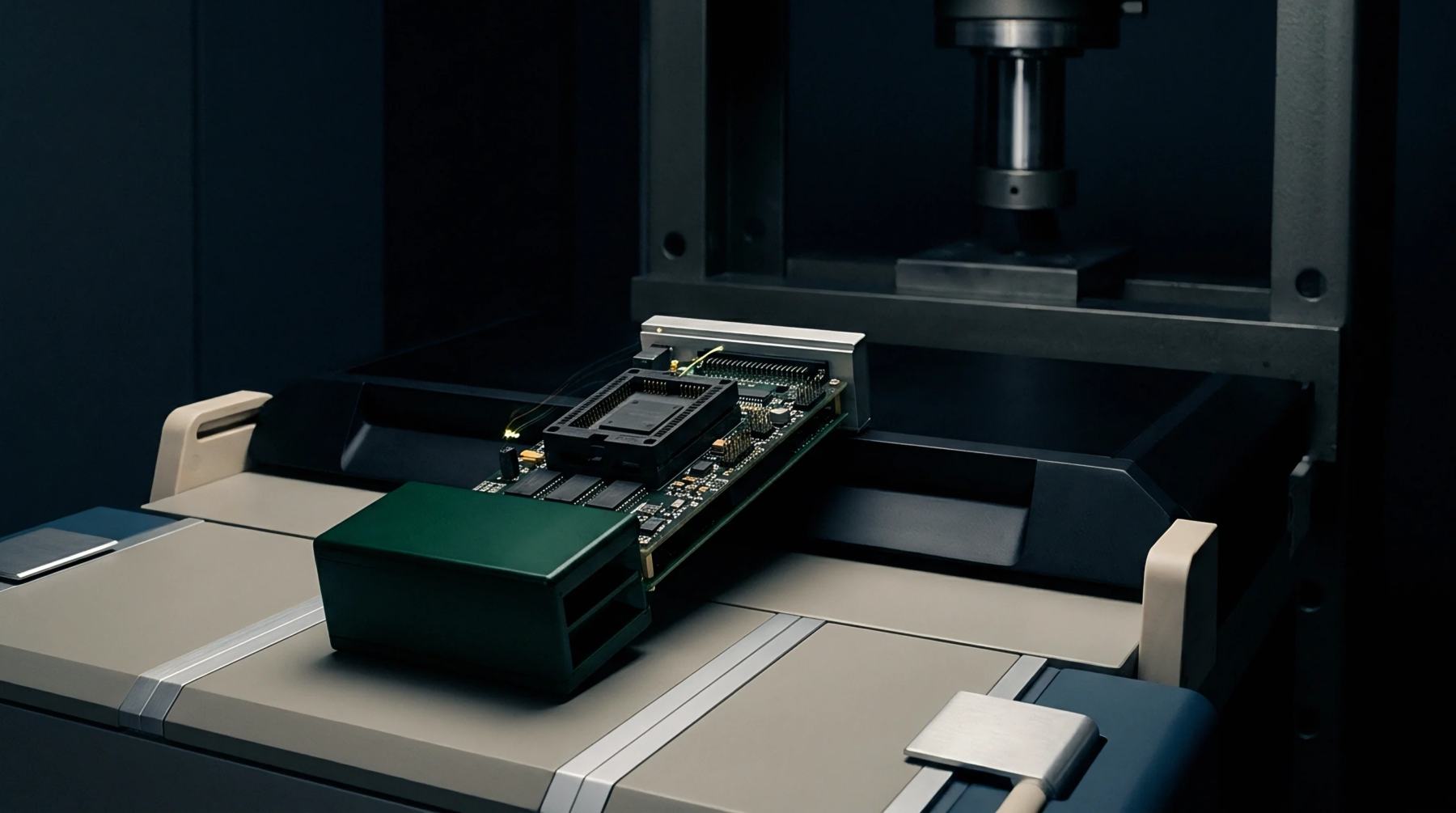
Hardware rework cost recovery demands auditable defect attribution separating design transfer errors from contract manufacturer assembly process escapes.
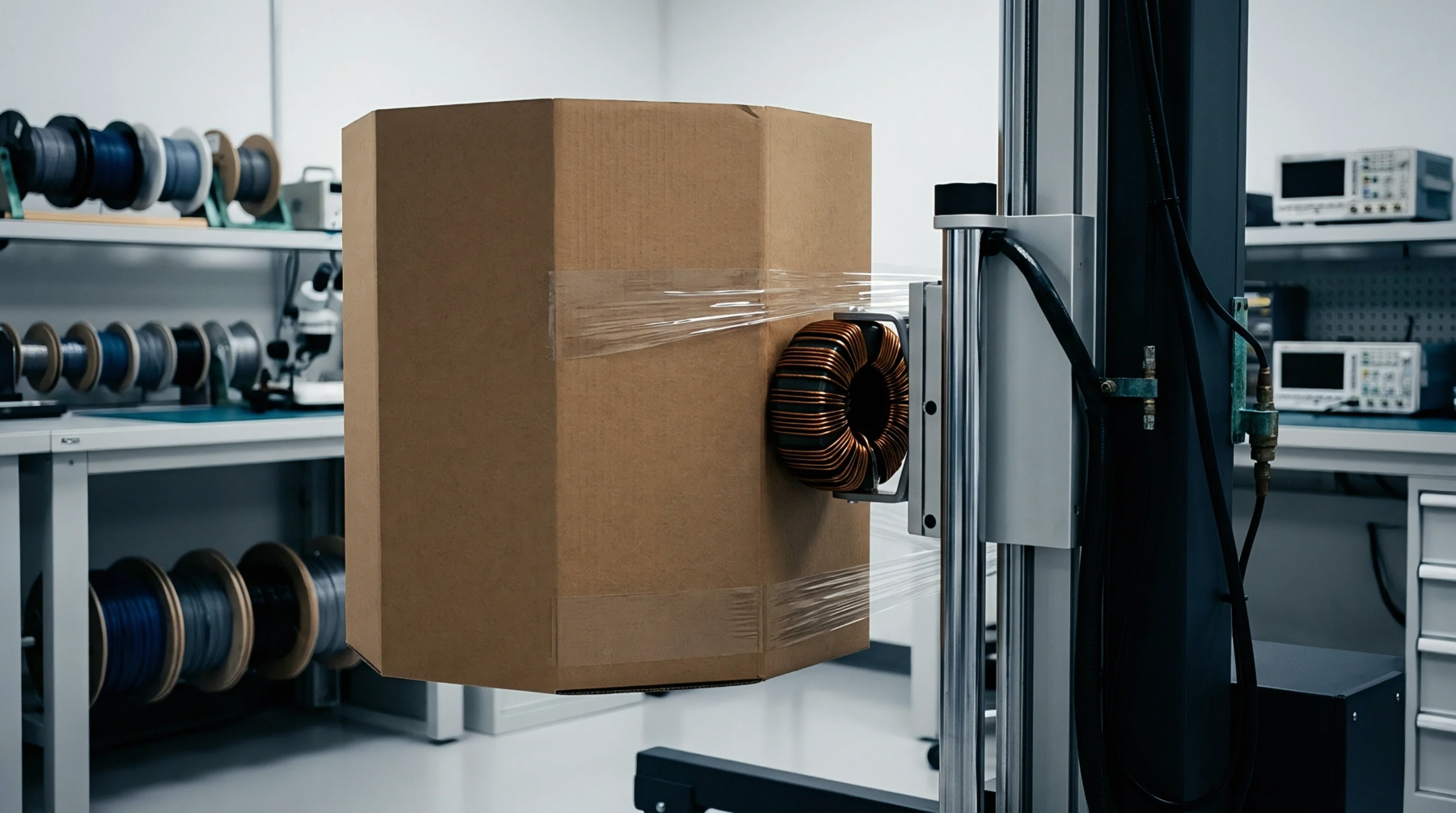
Minor component process change notifications alter switching speed and parasitic profiles, triggering thermal spikes and EMI failures requiring structured delta qualification.

Rigid component substitution qualification demands systematic risk tiering, rigorous physical stress verification, and binding commercial change governance.

Locking PCBA baselines requires cryptographic hashing of fabrication data, strict component suffix tracking, and contractually binding change control regimes.
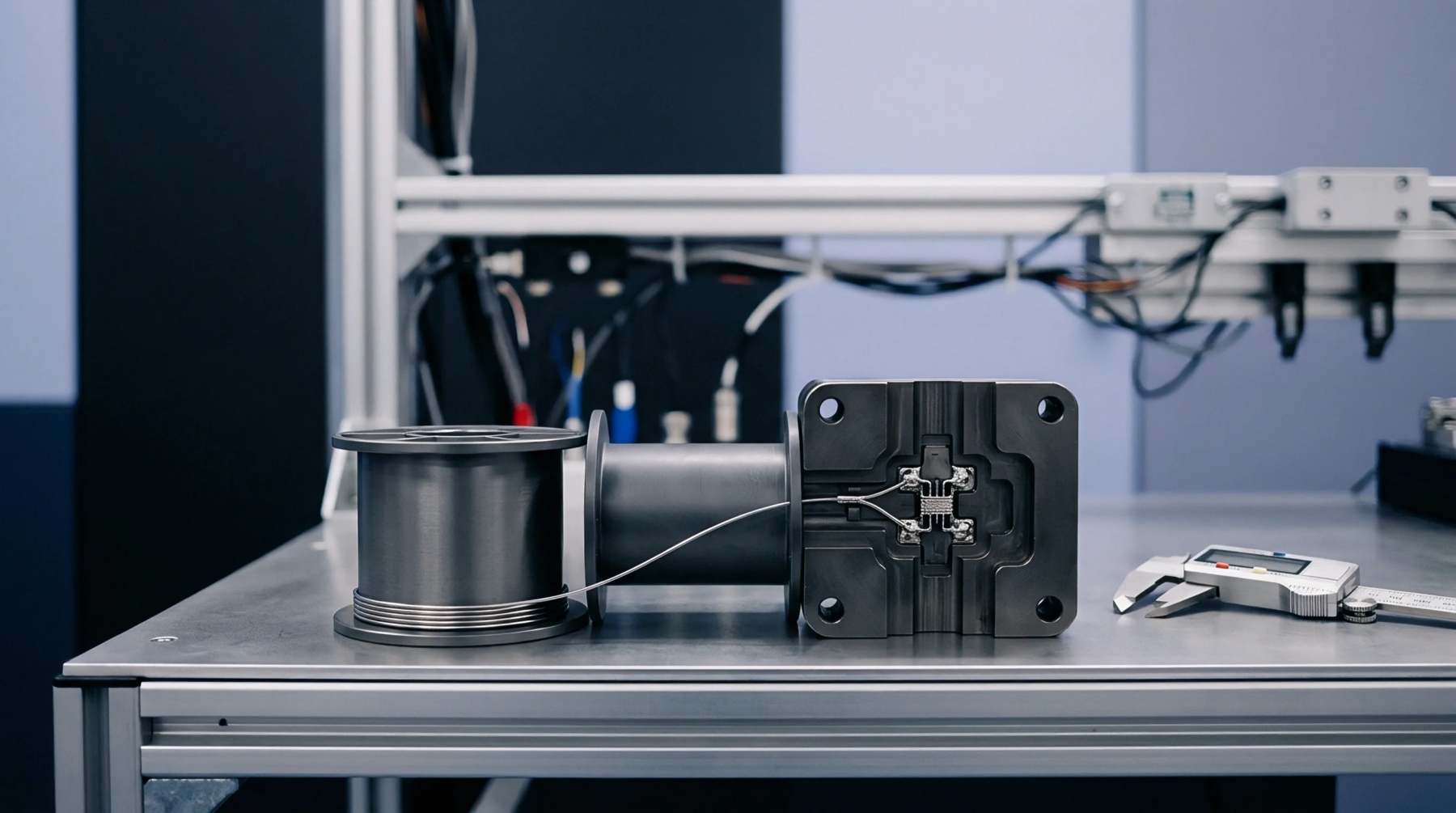
Cross-border insert disputes resolve by auditing unamortized core balances and executing bailment extraction clauses tied to factory gate escrow releases.

Reconcile mechanical stroke tallies with machine PLC logs and physical pin wear before releasing final payments or signing mold transfer bills of lading.

Specifying global catalog mold bases with standardized platens, pockets, and metallurgy guarantees tools transfer between international presses without remachining.

Enforce microcontroller credential ownership by isolating root secrets inside buyer-controlled hardware security modules and conditioning payment on test logs.

Secure unencrypted native design databases, universal tooling specifications, and bit-reproducible firmware repositories tied directly to staged milestone payouts.

Executing complete firmware source releases requires containerized deterministic build environments, complete board support packages, and clear IP assignment.

Automated toolchains synchronize PDK scripts and build rules across foundries to prevent hardware packaging drift and costly mask regeneration.
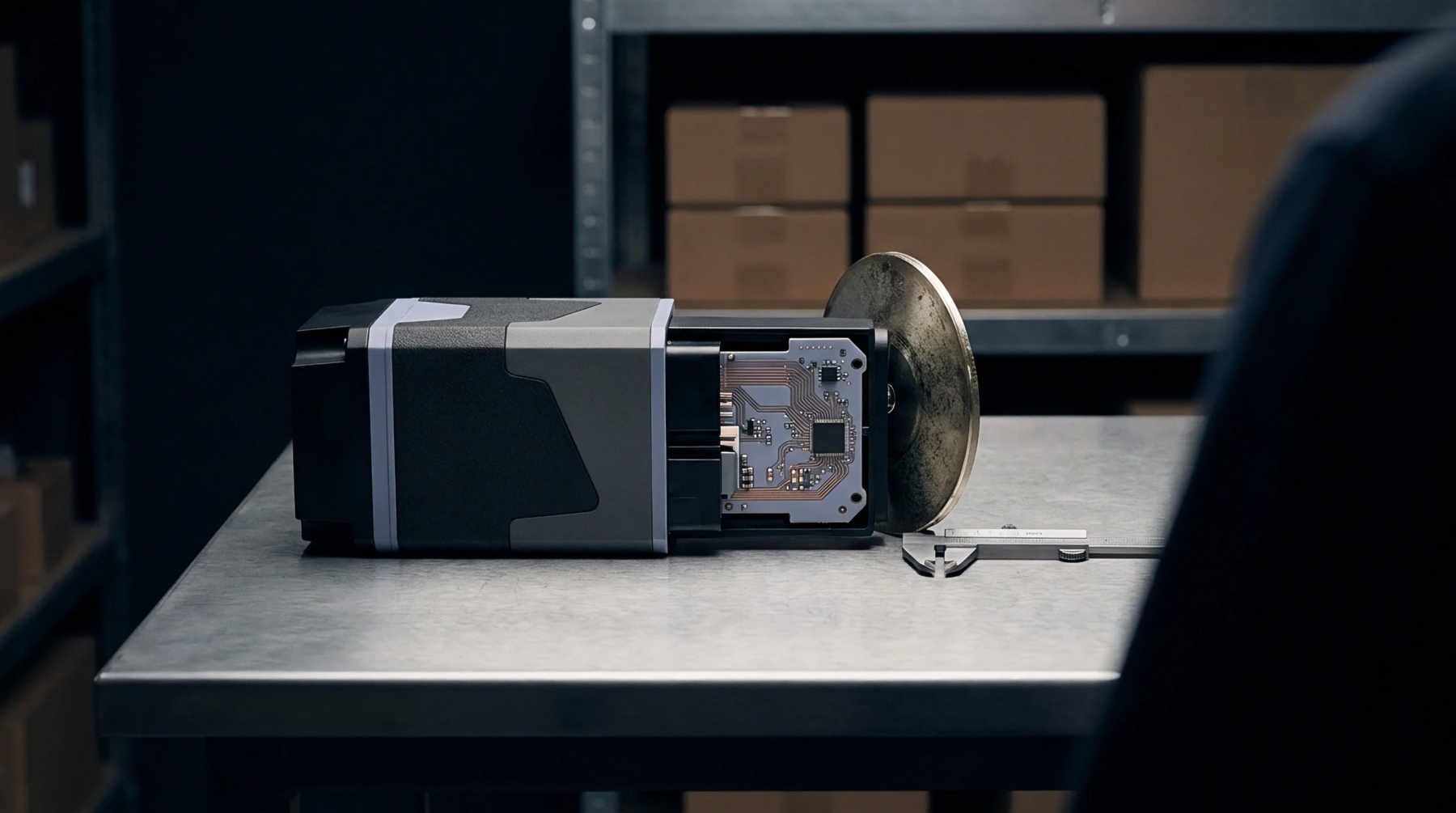
Decoupling board support packages requires separating silicon-specific register drivers from a uniform API shim to enable seamless dual-sourced PCB assembly.

Managing primary silicon SDK dependencies requires contractually binding suppliers to deliver open driver sources, build containers, and CVE patch SLAs.

Fixed milestone payments tie transceiver IP transfers to silicon DRC clean sign-off, bit-accurate testbenches, and calibrated evaluation hardware.

Firmware abstraction layers add measurable flash and latency overhead, requiring strict memory and execution budgets before committing to dual-vendor transceivers.

Modem footprint migration demands co-planar ground stitching, stepped stencils for void reduction, and transient decoupling to prevent logic resets.

A dual-sourcing transfer dossier must couple native CAD data and stencil apertures to unified test firmware to prevent process drift between factories.

Allocating module IP and liability demands clear carveouts between vendor baseband code and custom application layers tied to capped epidemic defect penalties.

Module integration levels dictate engineering ownership, file transfer rights, firmware access, and long-term landed cost metrics across production lifecycles.

Joint thermal-kinematic calibration couples dynamic phase compensation with multi-point temperature observers to eliminate spatial scanning drift in continuous modules.

Dynamic latency compensation firmware counteracts velocity-dependent positioning errors in multi-axis laser interferometry through real-time phase extrapolation.
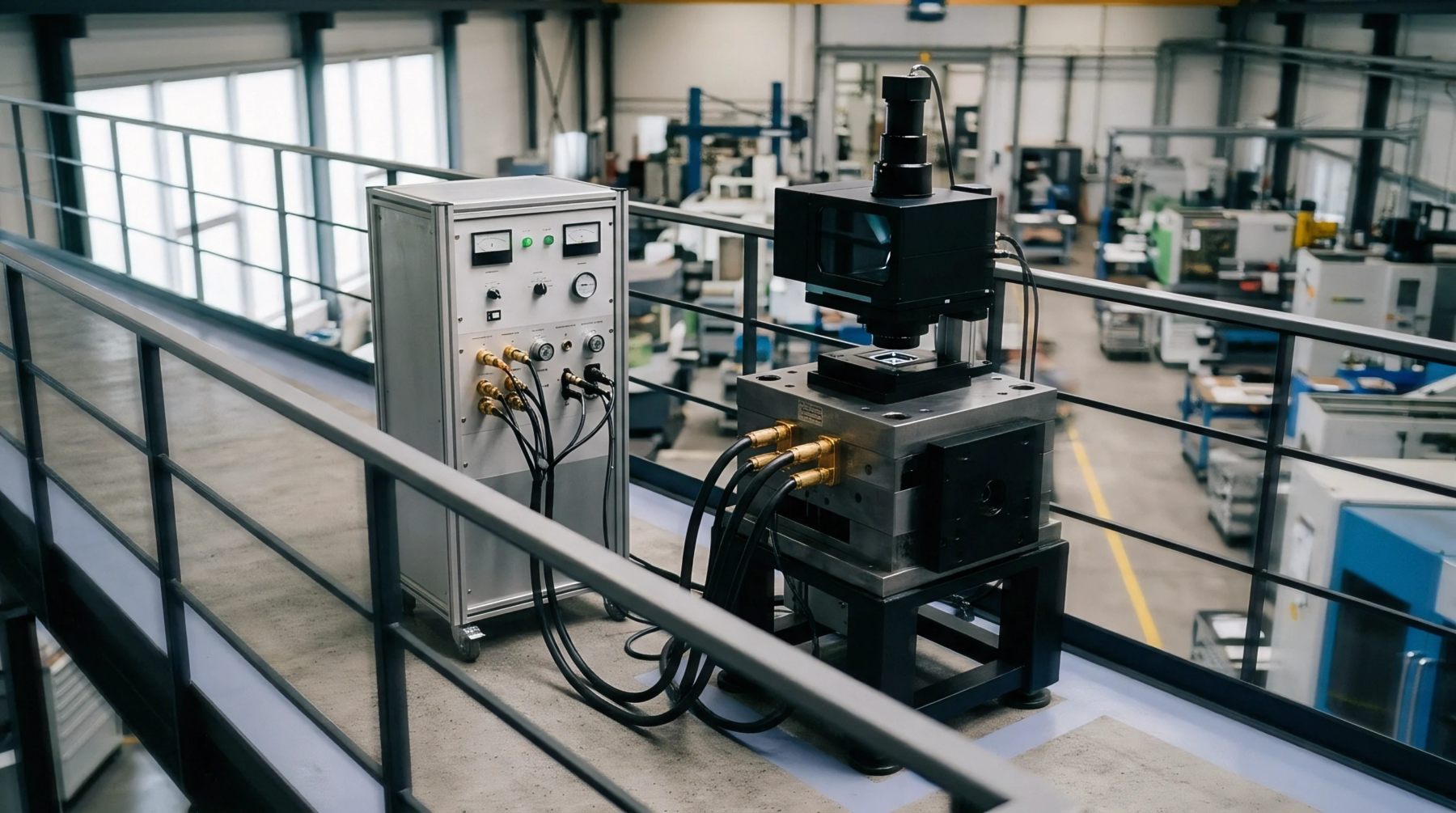
Dynamic phase alignment in high-speed triangulation requires physical stepped-wheel calibration to quantify and compensate sub-microsecond optoelectronic delays.

Open format compensation matrices standardize spatial error interchange across multi-axis machine tools, eliminating vendor lock-in during factory relocation.

Integrating Sinumerik volumetric error compensation requires configuring NCK memory options, loading 21-error spatial matrices, and validating via ISO 230-6.

Complete physical leveling, guide rail realignment, and kinematic center calibration before committing numerical volumetric compensation tables to machine memory.

Embedded silicon capacitors suppress packaging parasitics when cavity loop inductance stays below 10 pH and co-design balances damping against yield risk.
Expertise is a utility, not a secret. sentiention™ publishes its working knowledge as open reference: intelligence layer covering the materials it sources, the markets it enters, and the reference that serves both.