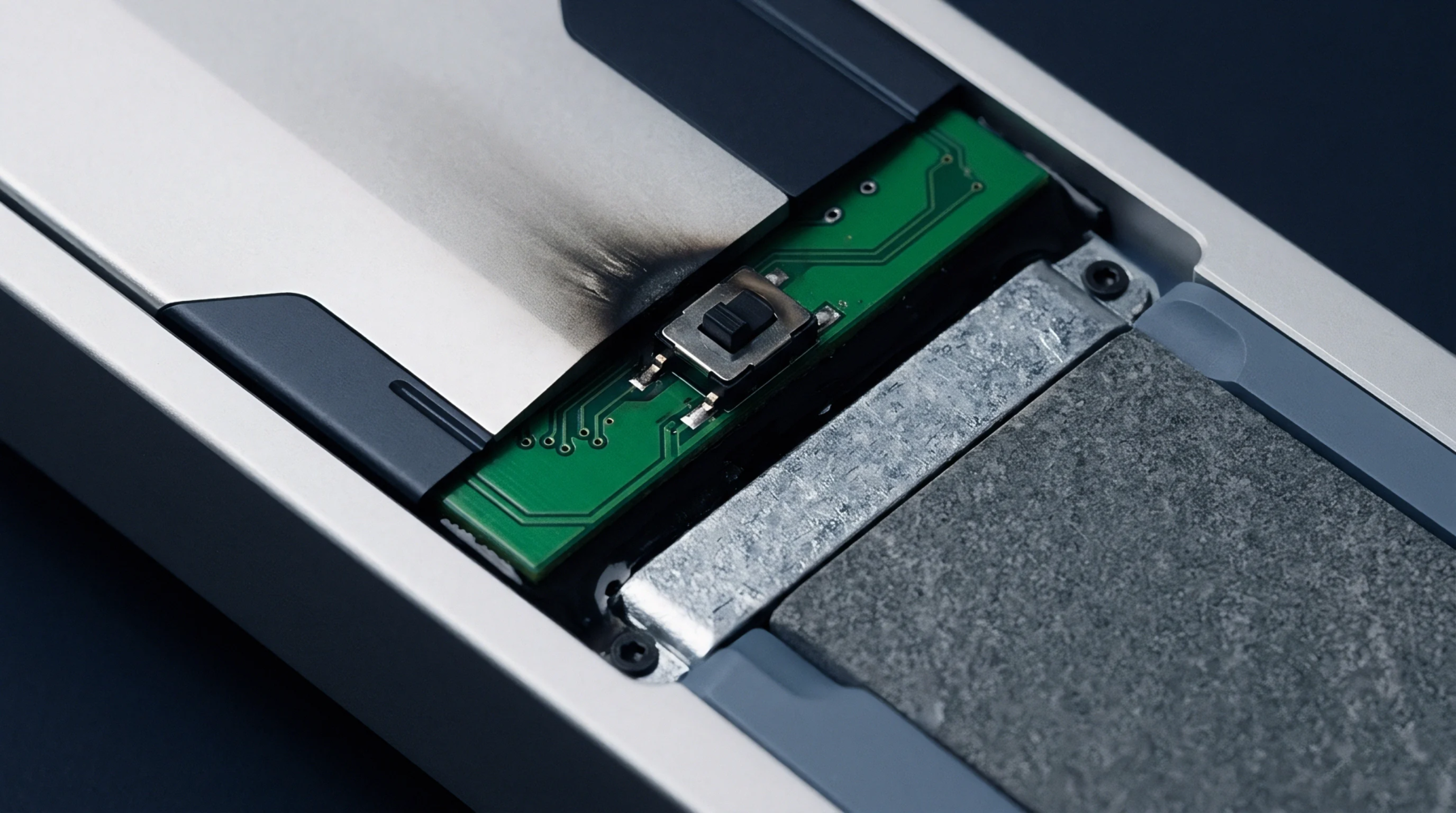
Quantifying Microelectronic Latent Defect Indemnity Recovery across Contract Boundaries
Latent defect recovery requires proving pre-handover physical origin via failure analysis and breaching liability caps via explicit epidemic carve-out terms.
Latent defect recovery requires proving pre-handover physical origin via failure analysis and breaching liability caps via explicit epidemic carve-out terms.

Physical decapsulation and acoustic microscopy isolate sub-tier component defects to assign liability and recover forensic costs under supply agreements.

Dynamic deflection governance across press-fit tooling prevents inner copper barrel fracture by stabilizing seating variance below ten micrometers.
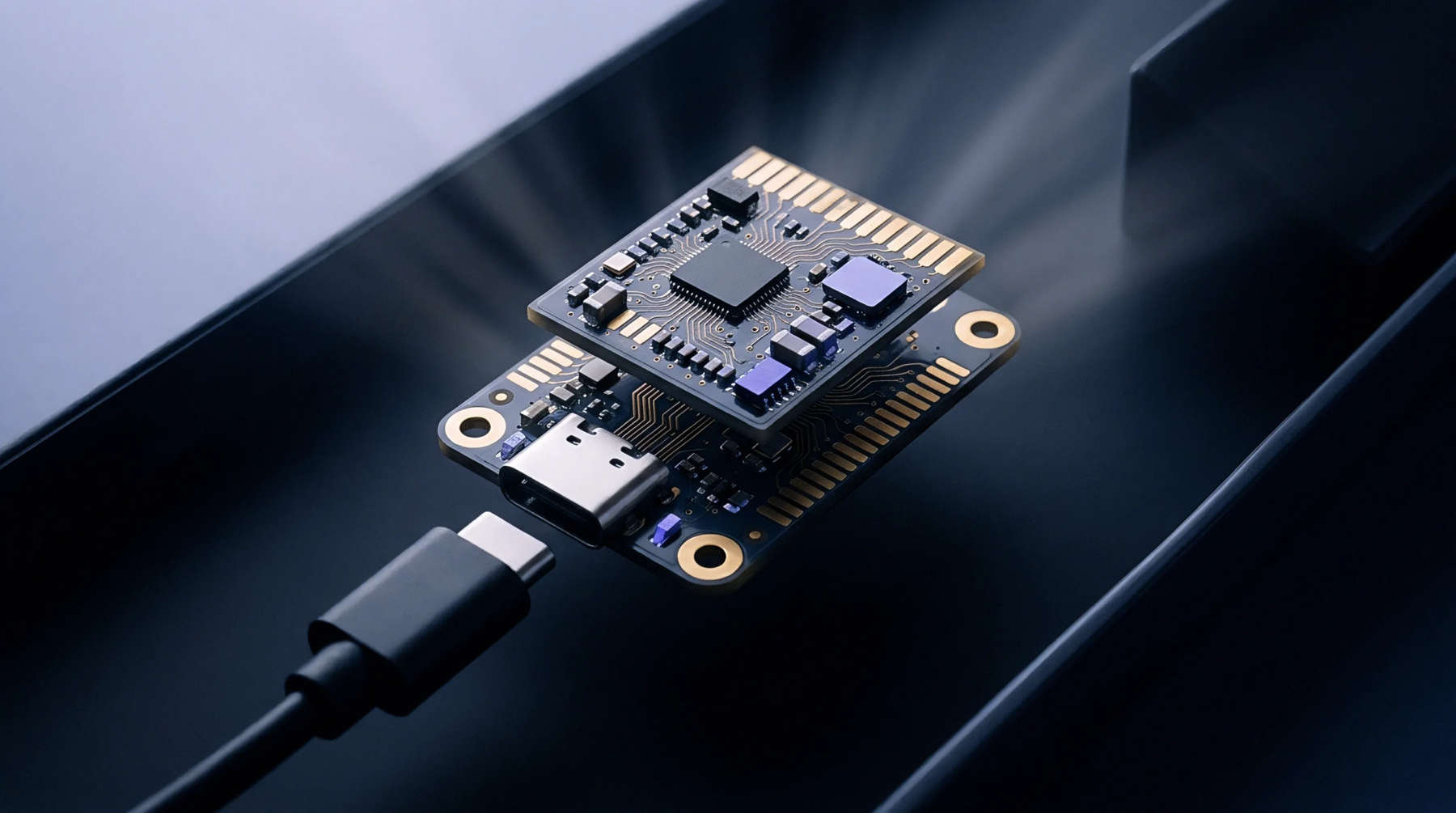
Hierarchical variance decomposition isolates turret spindle runout and feeder play from board drift, securing high-speed radial placement capability.

Establishing baseline variance for multi-head insertion requires validating force-displacement profiles and runout per spindle under dynamic board deflection loads.
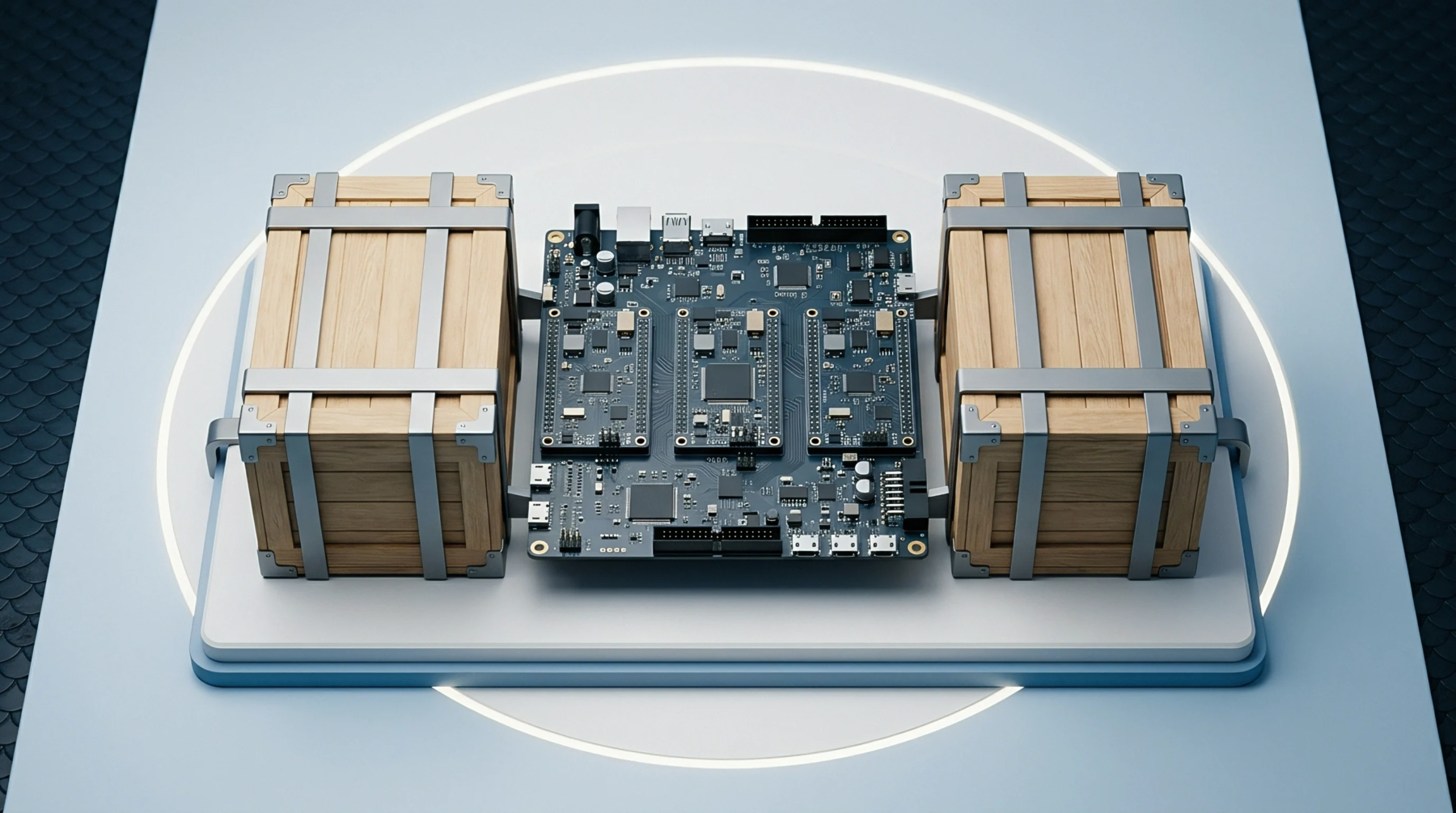
Reconciling Git commits with DEMPE requires branch protection, cryptographic principal review signatures, and automated test telemetry matching legal contracts.

Valuing custom PCB layout intangibles requires separating physical copper routing from schematics, using cash flow methods that model fabrication revision risk.

OECD transfer pricing principles classify microelectronics layout deliverables by technical control and decision rights rather than legal file ownership.

Enforce hardware revision manifests signed under vendor keys to halt mismatched firmware blobs before bootloader execution damages uncalibrated board silicon.

Inline secure boot flashing demands localized hardware security modules and Quad SPI interfaces to preserve automotive takt times across dual assembly plants.
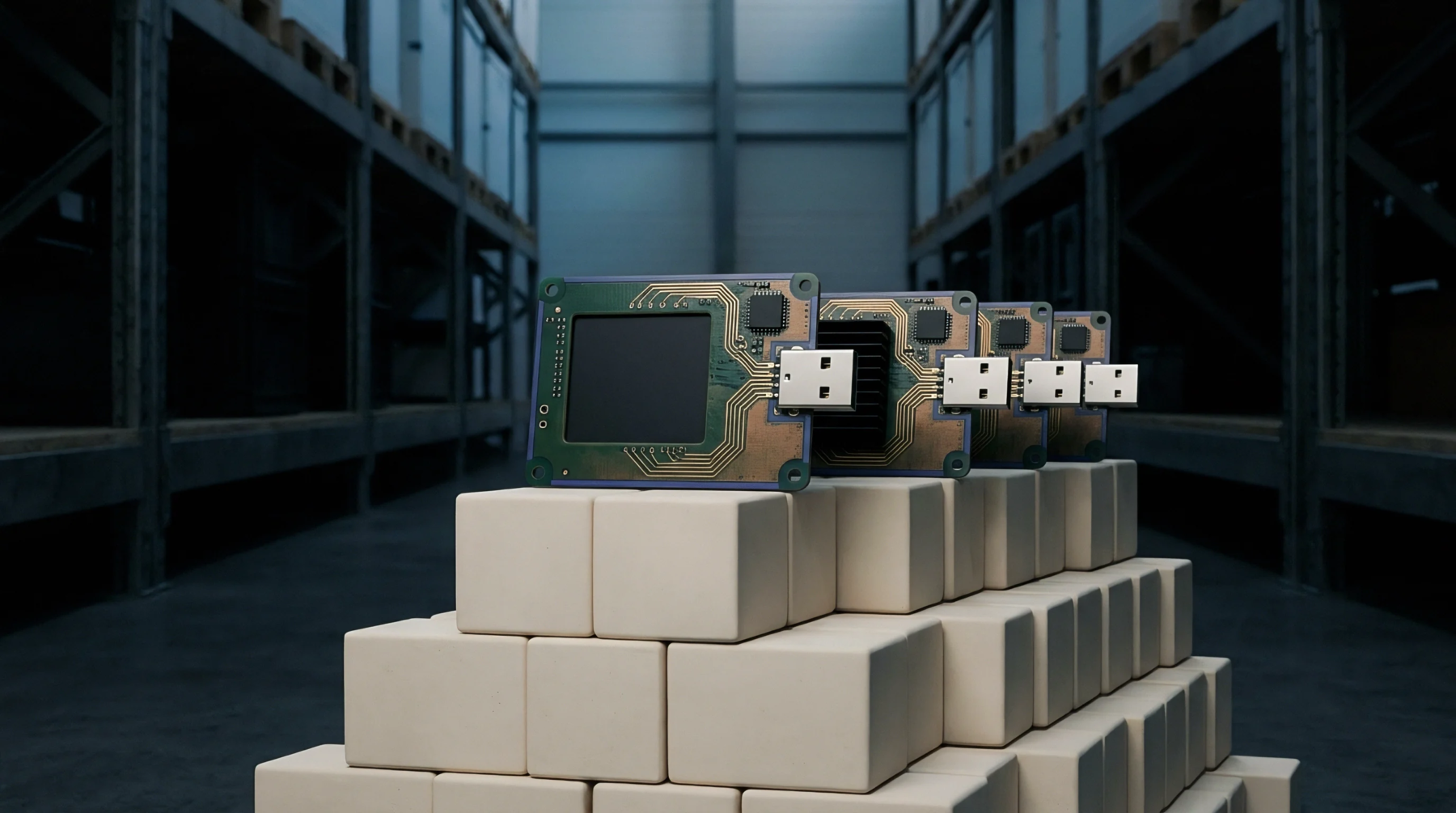
Secondary factory qualification requires exact memory partition mapping, programmer timing validation, and cryptographic attestation for closed binary blobs.

Managing orthogonal thermal strain mismatch requires matching material expansion axes and using kinematic flexures to decouple multi-axis stress.

Quantifying phase stability and creep life requires coupled CALPHAD modeling, tight master heat revert limits, and sacrificial stress-rupture qualification.

Cast tooling plate secures isotropic thermal expansion and zero out-of-plane warp by trading off structural yield strength and vacuum integrity.

Cryptographic build hash verification failures occur when environmental variations across CI nodes inject host paths and timestamps into compiled binaries.

Automated software verification isolates physical register and timing deltas across dual-sourced RF boards before volume production begins.

Hermetic build container escrow guarantees bit-for-bit firmware reproducibility and independent hardware maintenance across extended production lifecycles.

Decouple proprietary firmware via hardware abstraction layers while tying silicon stepping liabilities directly to unescrowed supply agreements.

A complete manufacturing transfer package audit requires bit-for-bit build verification, native layout database delivery, and staged NRE release.

Verify semicustom hardware deliverables using native CAD source files, containerized build environments, and physical bench test jigs before milestone sign-off.
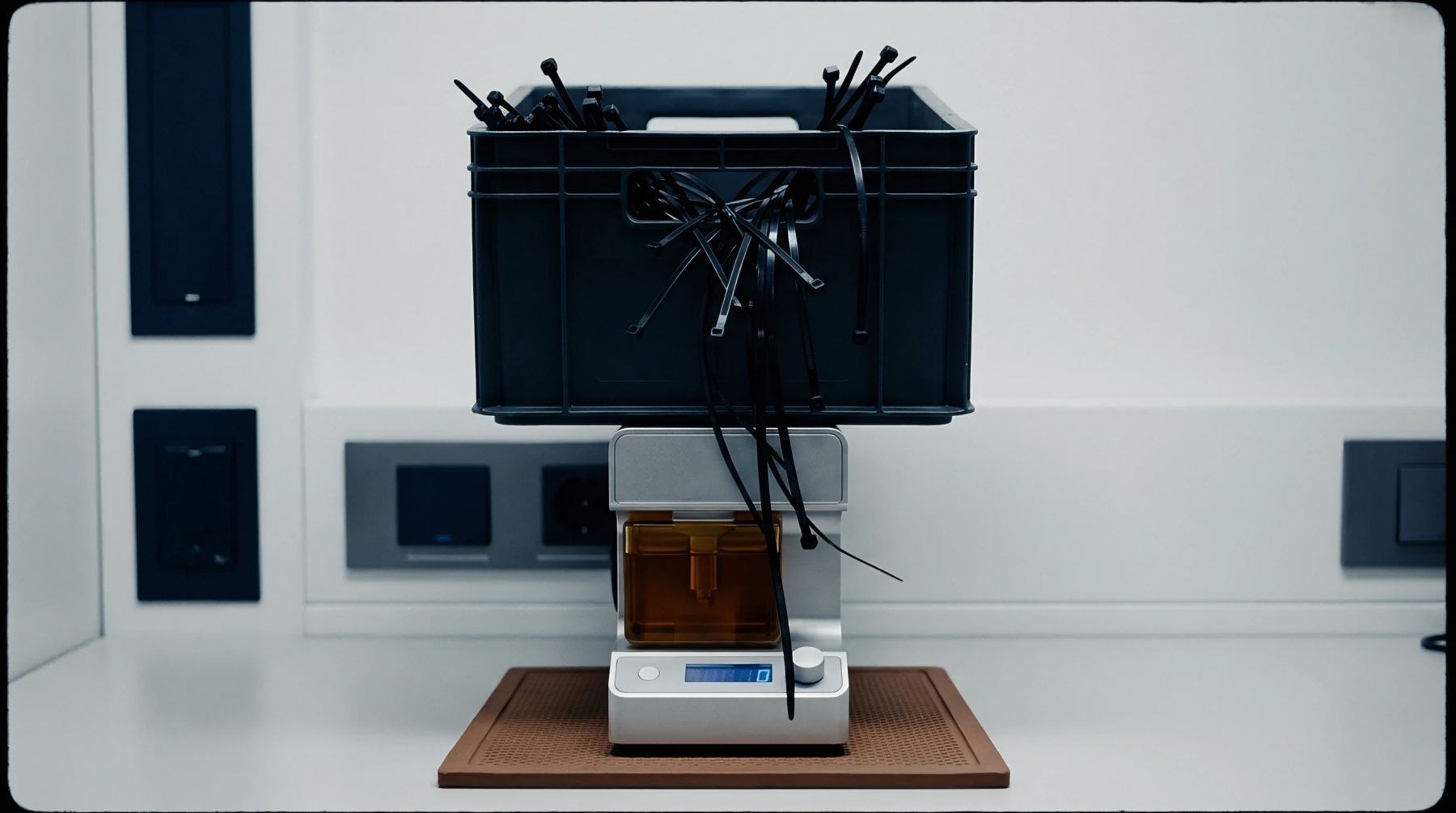
Automated IP-XACT test benches ingest divergent vendor schemas to execute unified UVM register regressions, securing dual-sourced wireless module parity.

Dynamic hardware abstraction layers resolve multi-foundry silicon deltas at boot through e-fuse register redirection, preserving unified modem firmware.

Dual-sourced baseband register drift requires low-level polling drivers and contractual ninety-day change notification clauses to eliminate silent field lockups.

Reconciling cross-border packaging dossiers requires mapping recipe parameters against territorial process patents and enforcing parameter limits in SOW contracts.

Multi-tier OSAT procurement requires binding pass-through covenants that bridge packaging liability caps with system-level field recall exposure.

Cross-border packaging agreements assign redistribution layers and bonding recipes through explicit work statements to prevent offshore vendor lock-in.

Modular power table overrides trigger host non-compliance; commercial indemnification requires signed binary schemas and fuse-locked baseband execution.

Unauthorized RF stack up changes trigger Class II permissive change filings, mandatory microsection proof, and full populated board cost recovery.

Contractual allocation of radiated emission testing costs requires explicit baseline margin covenants and shared laboratory fee matrices tied to root-cause audits.
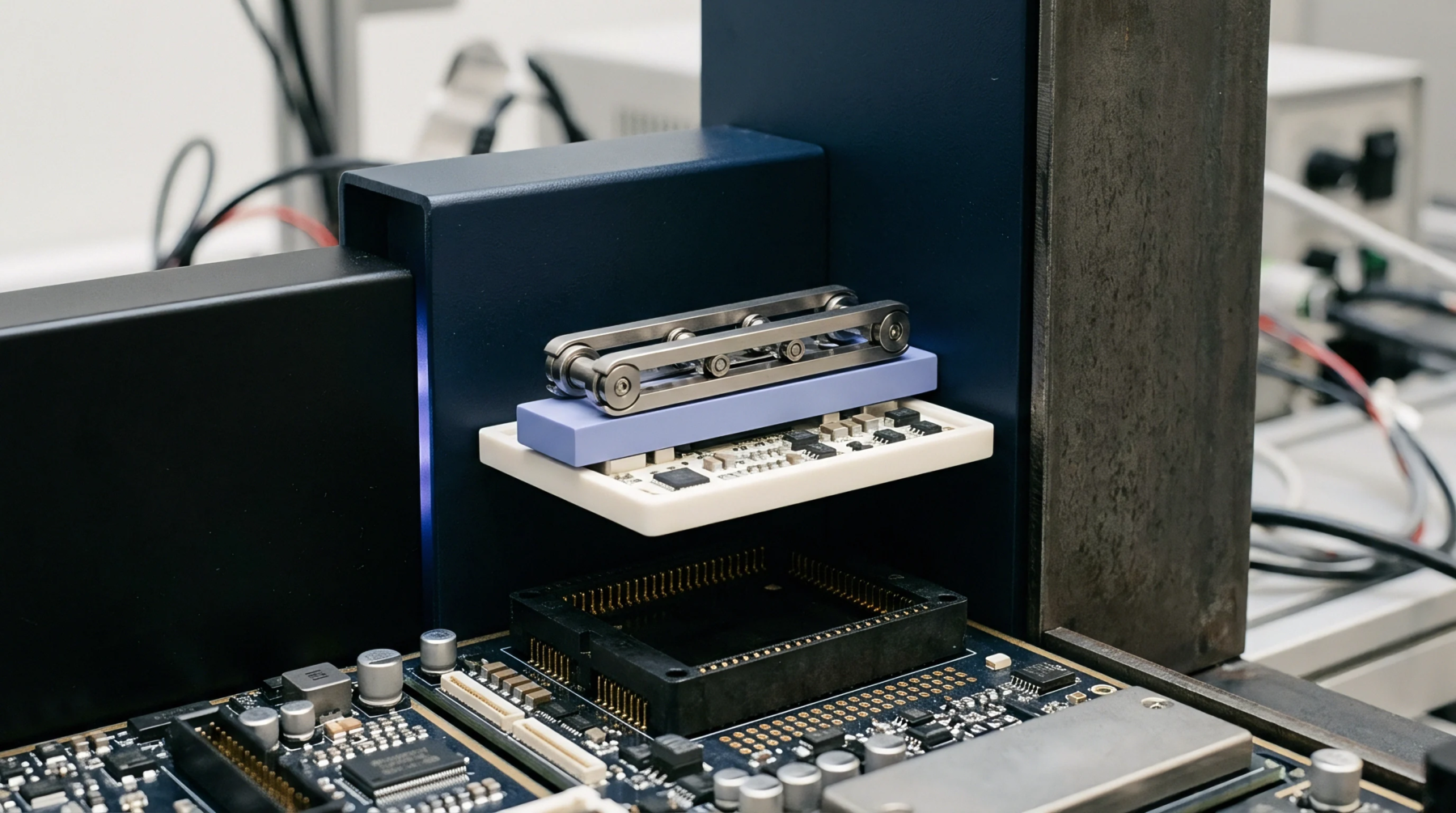
Statistical tolerance dossiers must bridge mechanical etching distributions and high-frequency S-parameter gating to prevent mmWave panel scrap.
Expertise is a utility, not a secret. sentiention™ publishes its working knowledge as open reference: intelligence layer covering the materials it sources, the markets it enters, and the reference that serves both.