
Evaluating Firmware Ownership Escrow Rights and Landed Cost Arithmetic
Firmware ownership and escrow verification define true hardware landed cost by hedging against vendor lock-in, forced board respins, and unmaintainable binaries.
Firmware ownership and escrow verification define true hardware landed cost by hedging against vendor lock-in, forced board respins, and unmaintainable binaries.

Shared ODM architectures are identified through identical PCB layouts, matching device tree memory maps, unified tooling marks, and shared FCC test filings.

Arbitral quantum in tooling expropriation recovers replacement costs, extraction friction, and re-qualification downtime margin minus verified mitigation.
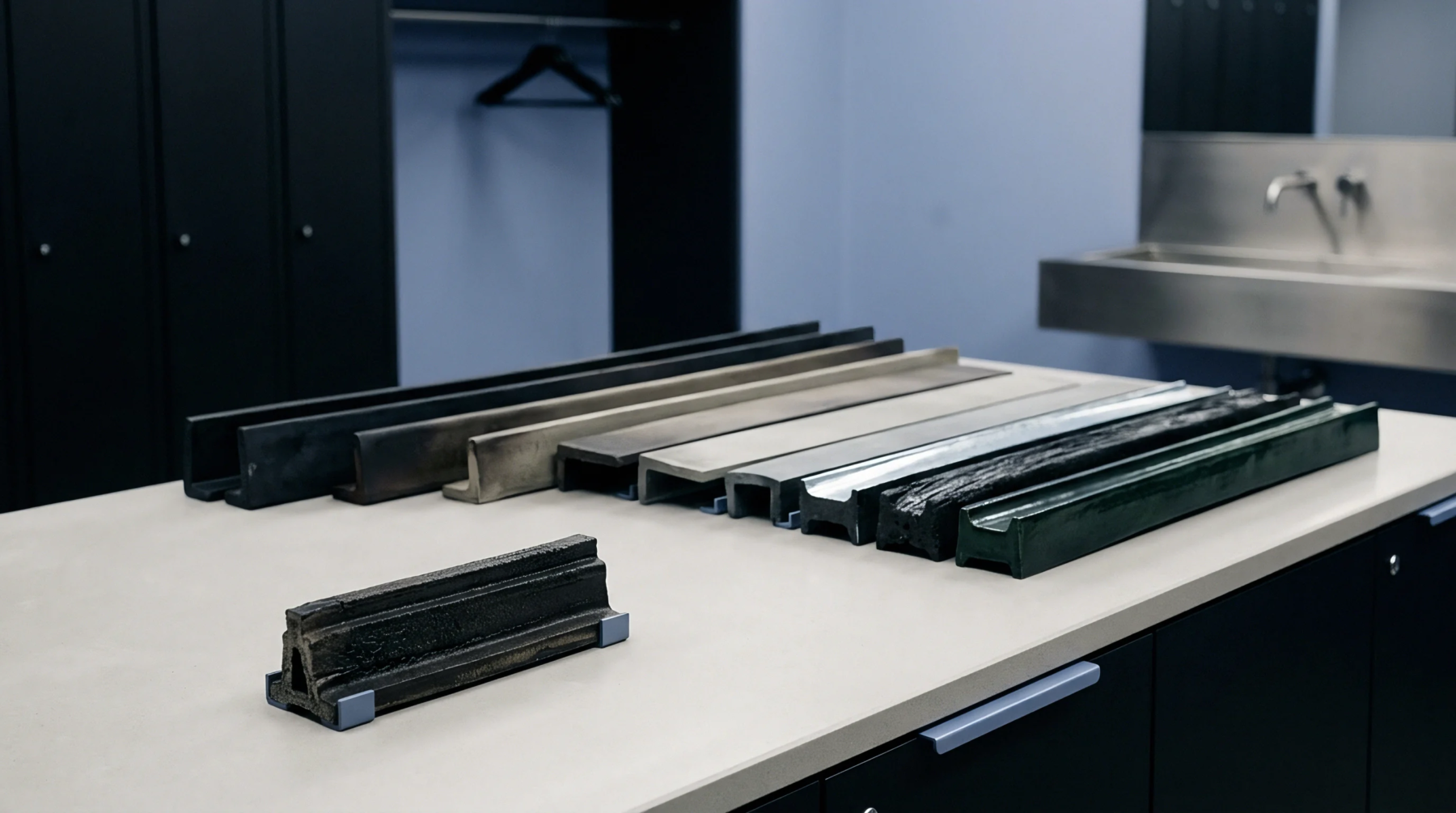
Depreciated replacement cost sets objective escrow bond values to neutralize factory possessory liens and legally extract cross-border production tooling.

Injection mold dispute valuation deducts cycle fatigue, physical cavity wear, and missing CAD regeneration costs directly from baseline reproduction estimates.

Establishing HSM enclosures on SMT lines requires strict Z-axis force caps, outgassing vents, and air-gapped key injection to prevent bricking.

Automate factory scrap reconciliation by linking assembly line discard scans directly to certificate revocation endpoints before final product packaging.

Pre-programmed secure elements eliminate line-side injection cycle penalties while direct microcontroller OTP flashing demands isolated hardware security modules.

Verify payload signatures completely before unlocking option registers to execute dual-bank swapping from SRAM with watchdog-backed rollback interlocks.

Vector table remapping redirects exception vectors by writing aligned target addresses to VTOR with synchronization barriers during dual-bank updates.

Dual bank flash layouts enable atomic firmware swaps by executing active code from one physical memory bank while staging and validating updates in another.

Closing cross-border turnkey liability gaps requires tying component freezes to international arbitration seats and documentary letters of credit.
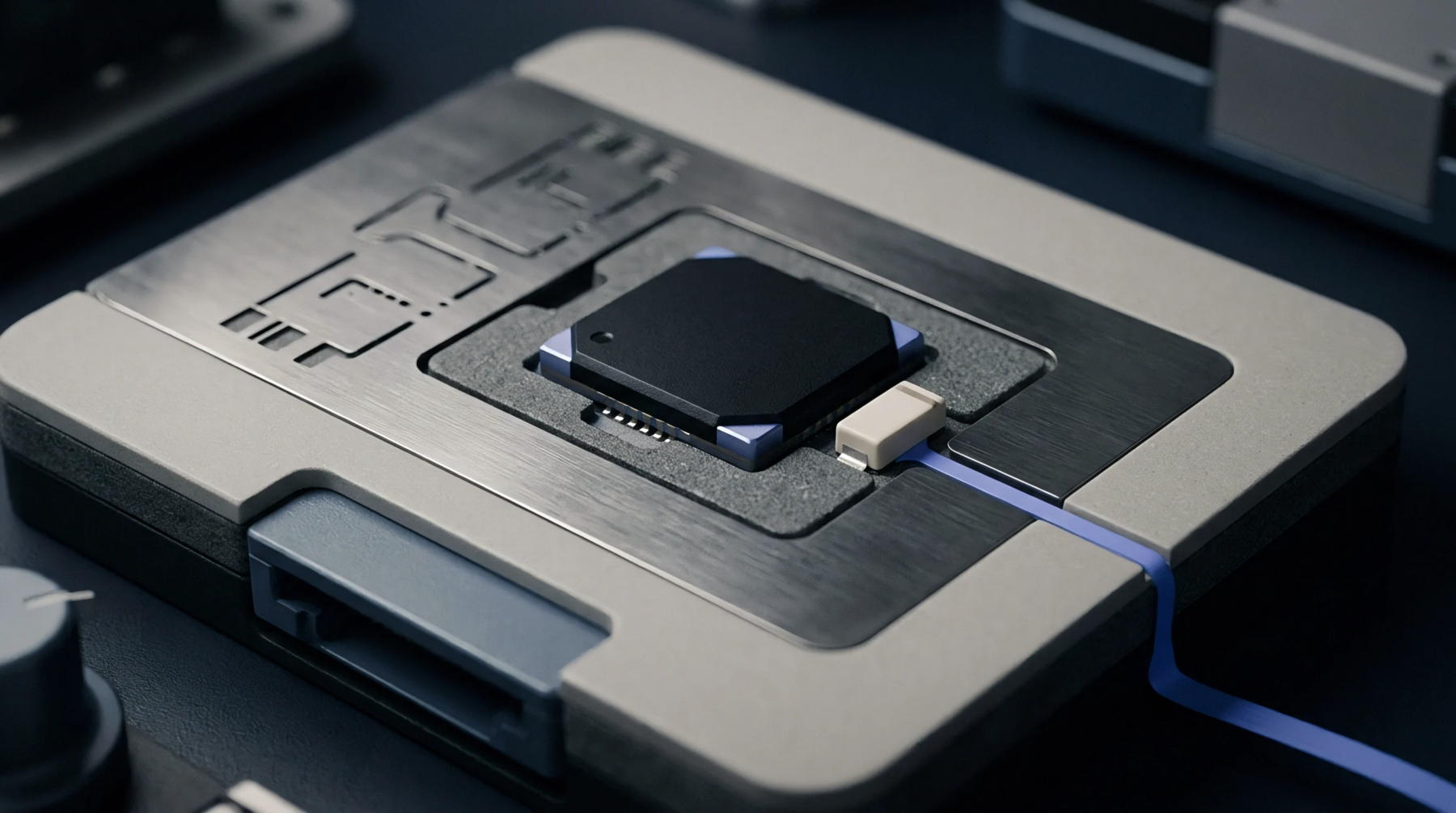
Locking turnkey bills of materials requires cryptographic file hashing, explicit manufacturer part numbers, and strict contractually enforced engineering change approval protocols.

Structure turnkey agreements with mandatory PCN windows, escrowed native design files, capped respin NRE, and explicit component storage liabilities.

A contract firmware escrow deposit succeeds only when an air-gapped clean-room container compiles source code into a bit-for-bit identical binary match.

Automated build pipelines eliminate factory key custody by generating deterministic binaries and injecting hardware credentials via isolated local enclaves.
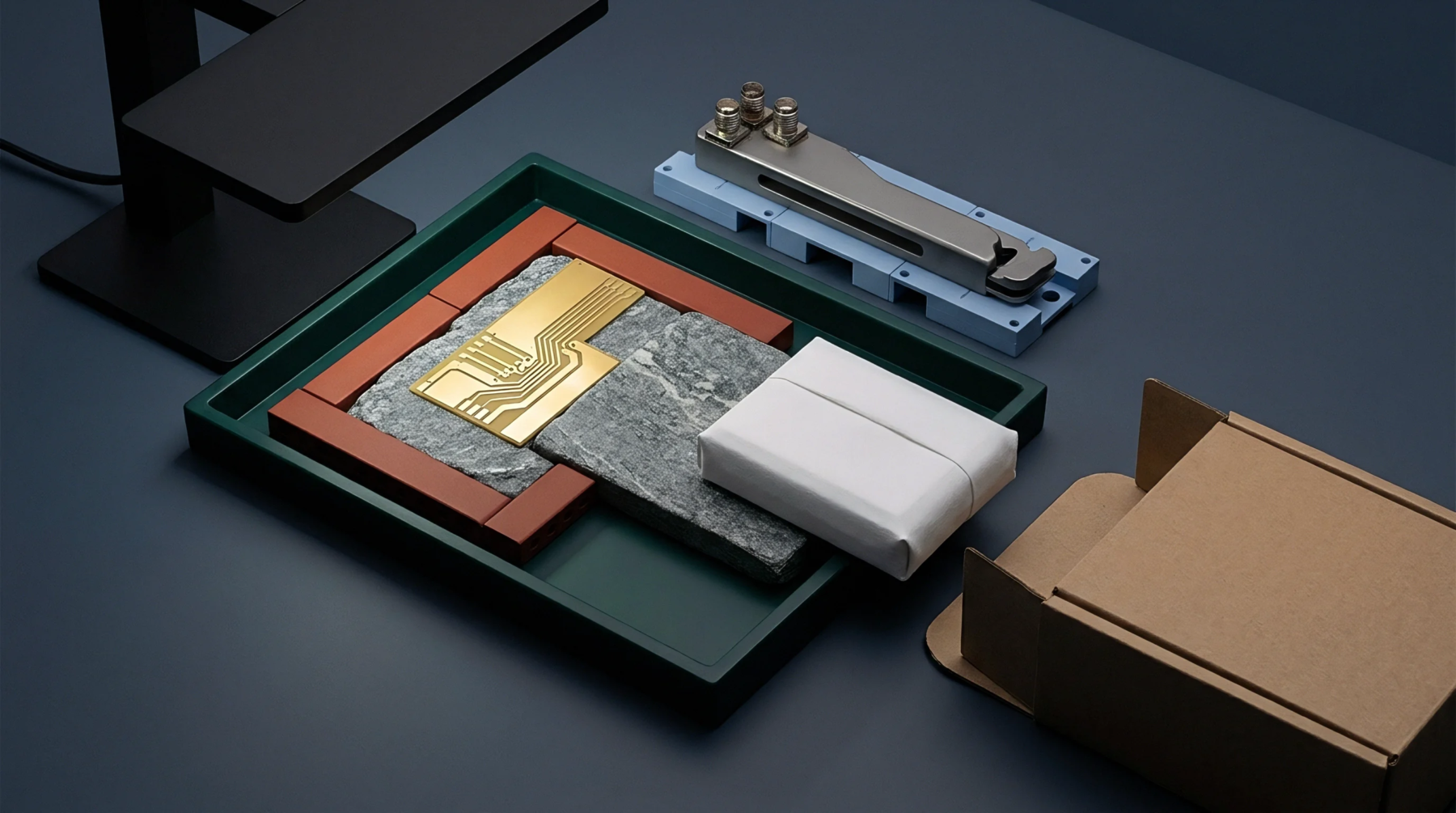
A complete firmware escrow deposit packages hermetic toolchains, merge scripts, cryptographic keys, and test jigs to enable secondary manufacturing bring-up.

Direct damages cover physical extraction, freight, and scrap; lost sales and channel fines remain unrecoverable consequential losses under standard supply contracts.
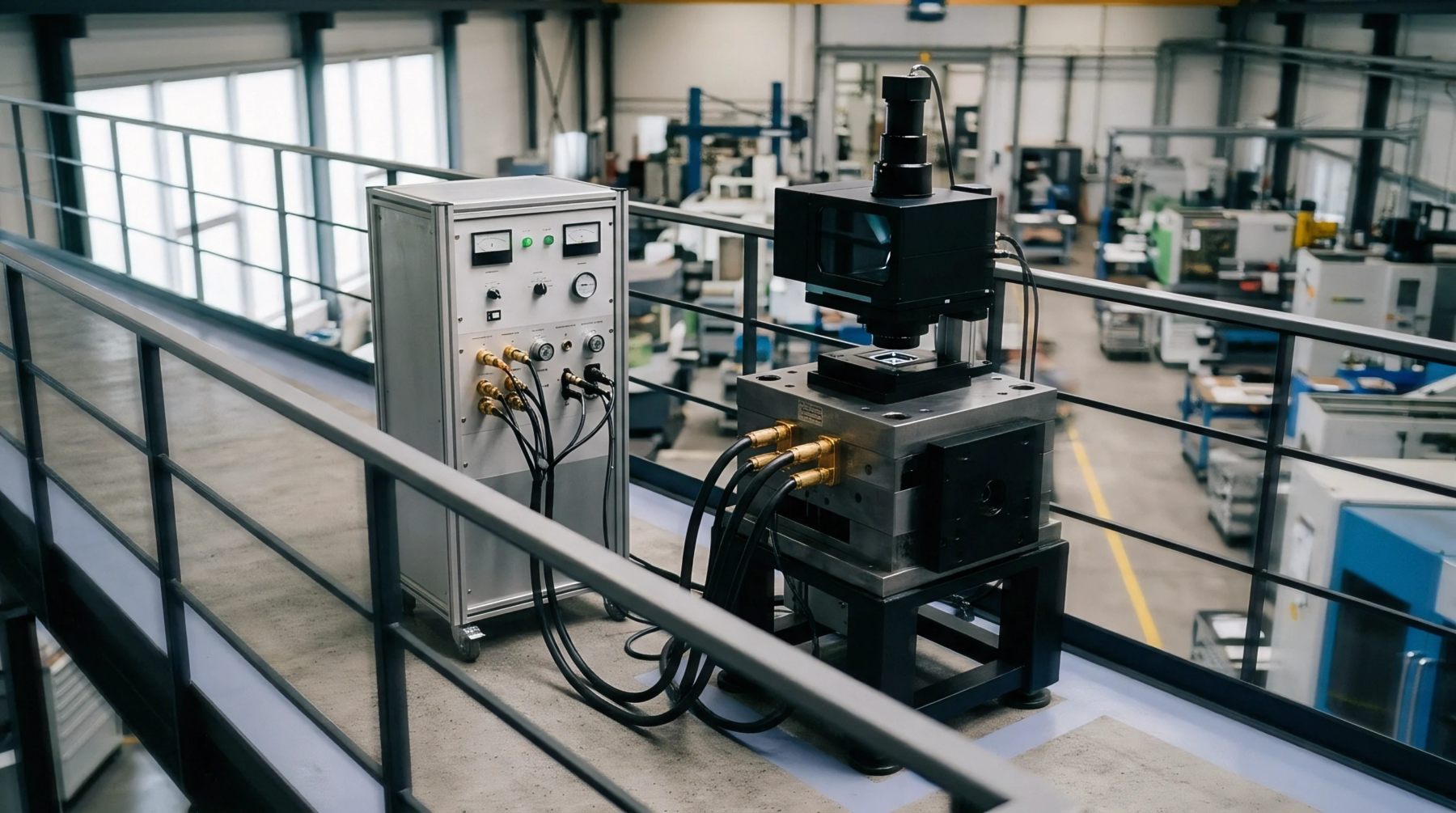
Rigorous bilateral forensic testing sequences separate factory fabrication defects from field abuse in high-value cross-border manufacturing disputes.

Qualification data packages expose latent microelectronic defects via stress screening standards, locking down liability before volume production transfers.

Laminate thickness collapse from uncontrolled resin flow forces costly radio recertification, shifting liability to fabricators only under strict RF covenants.

Allocate radio respin expenses by enforcing IPC coupon data to prove substrate dielectric variance, debiting tooling and testing costs to the responsible vendor.

Firmware handovers require audited source code boundaries, containerized reproducible toolchains, and verified escrow release triggers to mitigate patent risk.
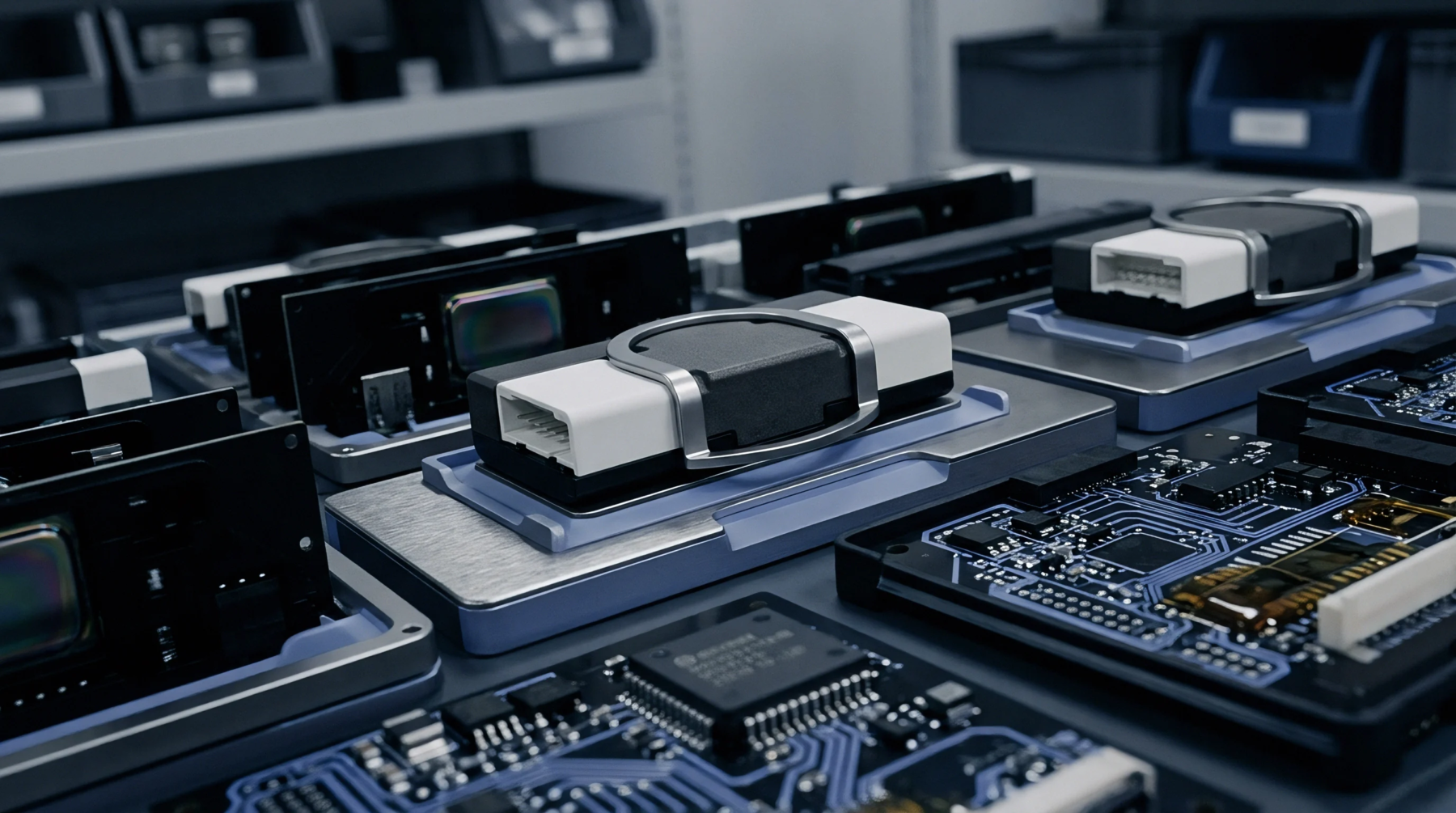
Verify multilayer RF microstrip impedance using calibrated on-board TDR probing to reveal hidden etch and resin shifts that margin coupons routinely mask.
Regulatory grant custody dictates dual-source viability: the grantee controls Class II permissive change filings, regardless of who financed the hardware design.

Executing wireless hardware design transfer packages requires native CAD files, reproducible firmware build trees, and calibrated automated RF test fixtures.
Allocate multi-vendor integration risk by contractually defining register-level silicon errata boundaries and capping software workaround engineering expenses.

Transferring hardware across tiers succeeds only when native CAD constraints, containerized firmware builds, and custom test tooling stay under buyer custody.

Decouple non recurring engineering into milestone payments to preserve design ownership, eliminate inflated bill of materials markups, and secure transfer rights.

Unannounced semiconductor die steppings bypass standard module warranties, requiring buyers to bind suppliers through liquidated damages and register audits.
Expertise is a utility, not a secret. sentiention™ publishes its working knowledge as open reference: intelligence layer covering the materials it sources, the markets it enters, and the reference that serves both.