
Antenna Coupling Interference and Substrate Attenuation in Unlicensed Radio Modules
Host proximity near unlicensed module antennas degrades total efficiency and shifts harmonics over emissions thresholds requiring re-certification.
Host proximity near unlicensed module antennas degrades total efficiency and shifts harmonics over emissions thresholds requiring re-certification.

Modular radio approvals cover baseline standalone performance, requiring host radiated spot checks to prevent spurious emission failures upon enclosure integration.

Industrial Wi-Fi module selection demands matching OFDM guard intervals to measured hall delay spread while isolating 5 GHz spatial streams from local noise.

Modem attach power scaling depends on coverage enhancement levels and raster pruning, where degraded signal paths elevate registration energy from 0.68 to 14.2 joules.
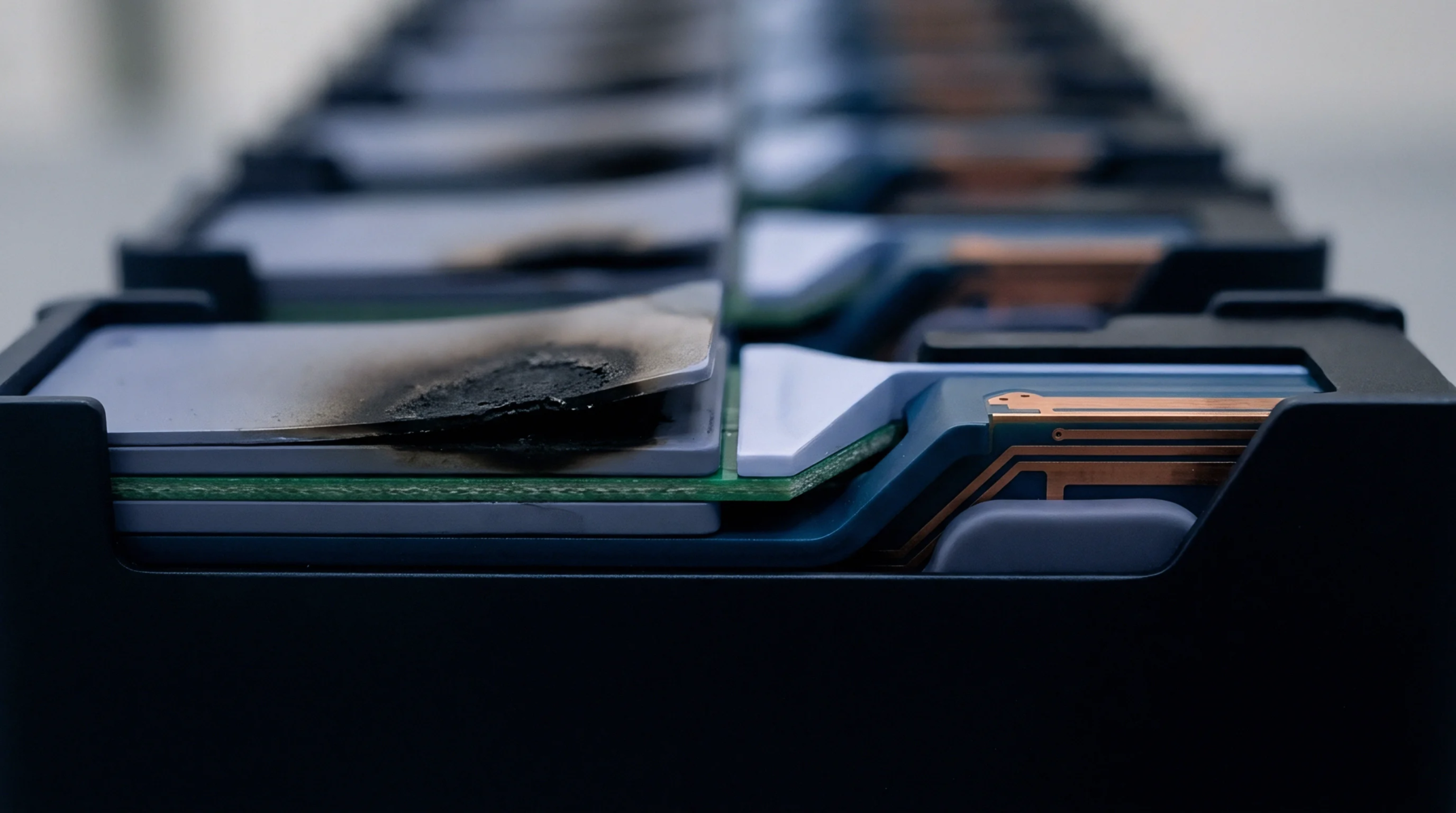
Resolving cellular hardware radiated margin loss requires isolating internal digital board noise and stabilizing multi-band antenna matching under real deployment conditions.
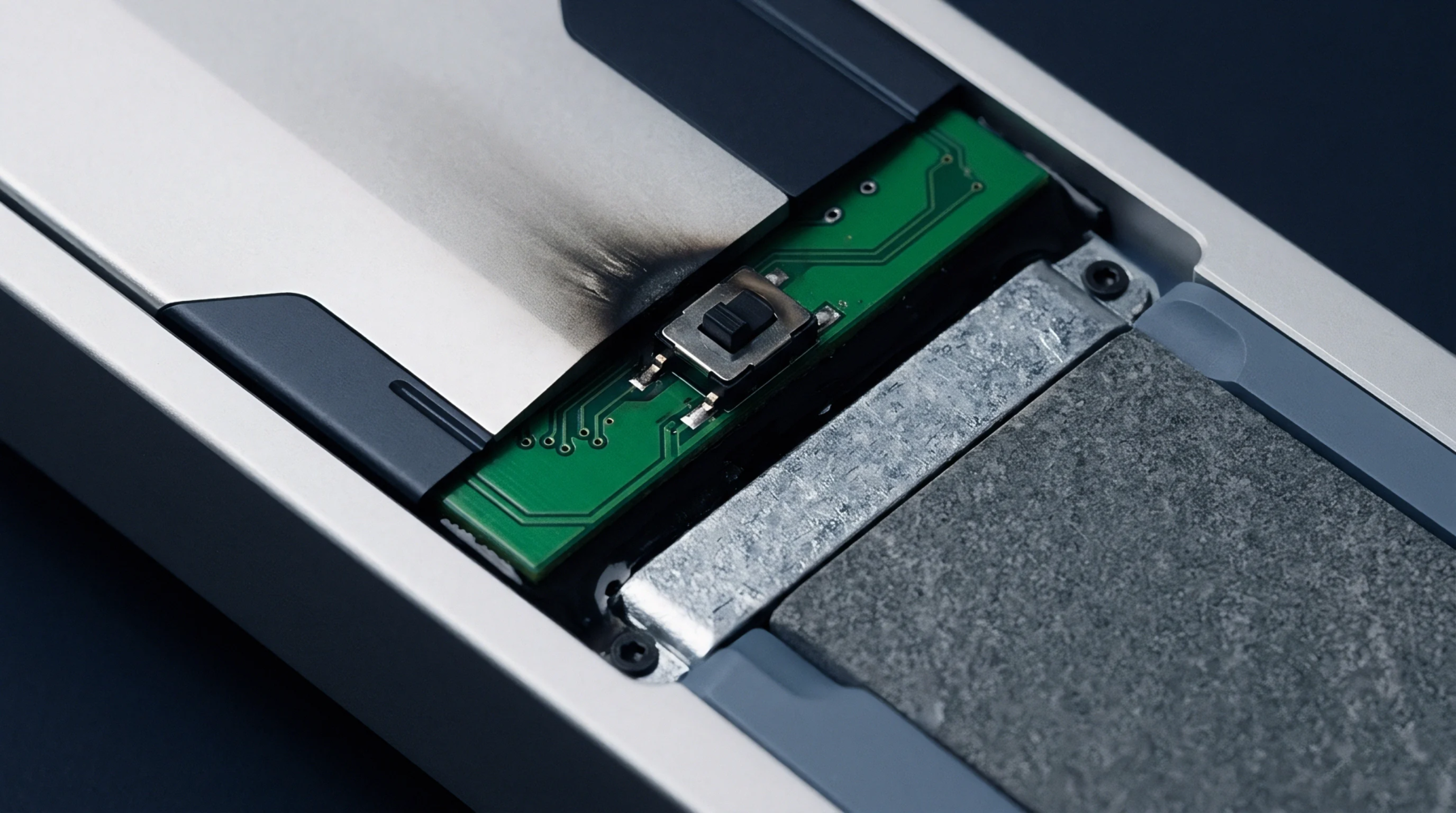
Dynamic impedance matching losses double RF current draw and accelerate battery internal resistance growth, cutting endpoint service life by over fifty percent.

Modifying host enclosure materials demands FCC permissive change evaluation when dielectric properties or metallic proximity alter radiated emissions or SAR values.

Real Bluetooth range requires subtracting antenna detuning, body loss, and indoor path loss exponents from marketing budgets before ordering silicon.
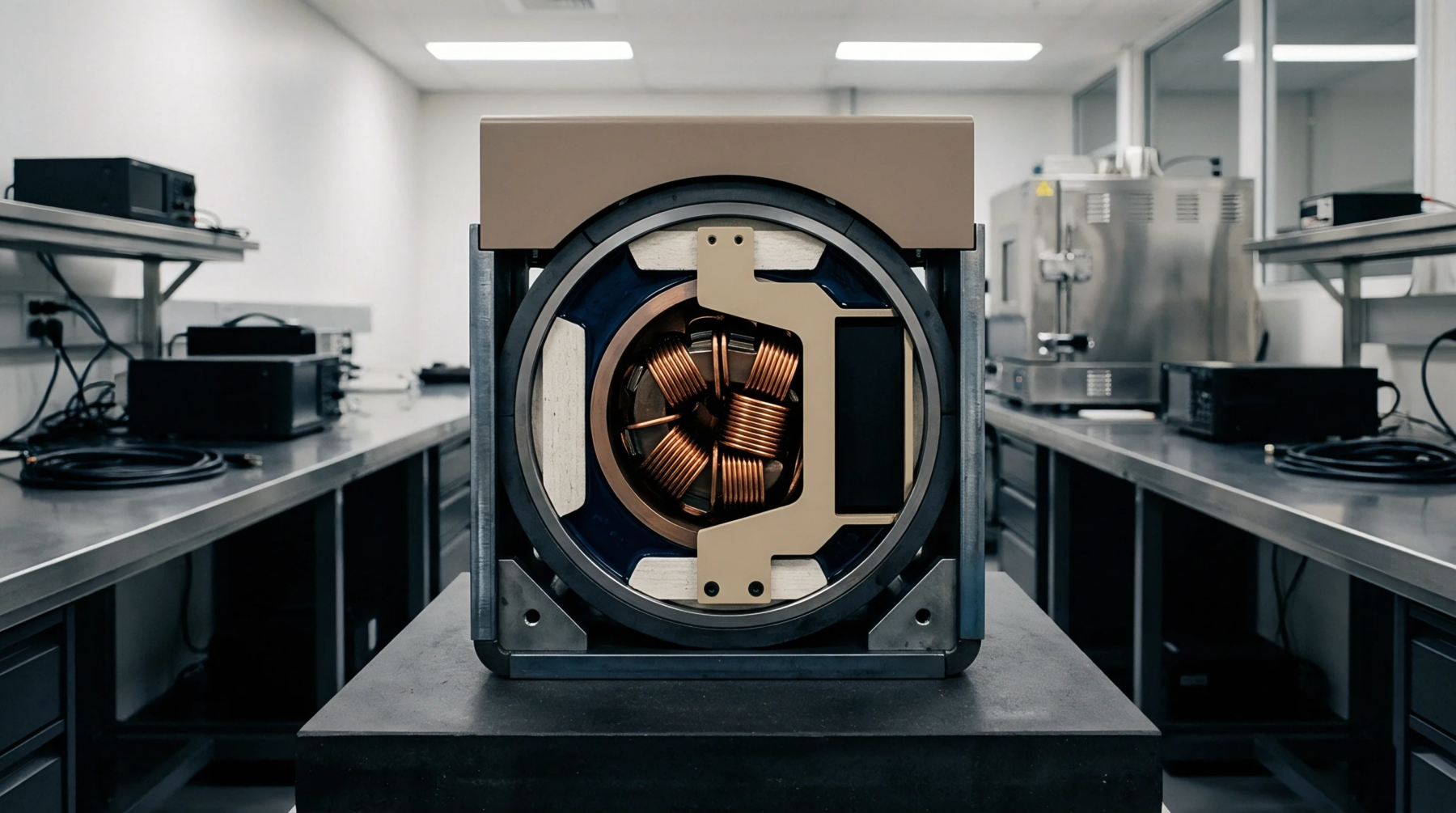
Metallic host enclosures alter RF emissions, turning module changes into Class II Permissive filings costing 6000 to 20000 USD over four to eight weeks.

Polymeric enclosure dielectric constant shifts alter near-field coupling and aperture resonance, detuning antennas and pushing radiated spurious emission harmonics across regulatory pass limits.

Anisotropic dielectric drift in composite enclosures detunes integrated antennas during temperature sweeps, triggering radiated compliance failures and re-filings.

Subterranean cellular operation trades battery lifespan for reach through coverage enhancement modes that overcome soil attenuation and aperture slot coupling loss.

Modular grant pass-through rights terminate when host enclosure proximity or antenna modifications alter tested RF safety separation boundaries.
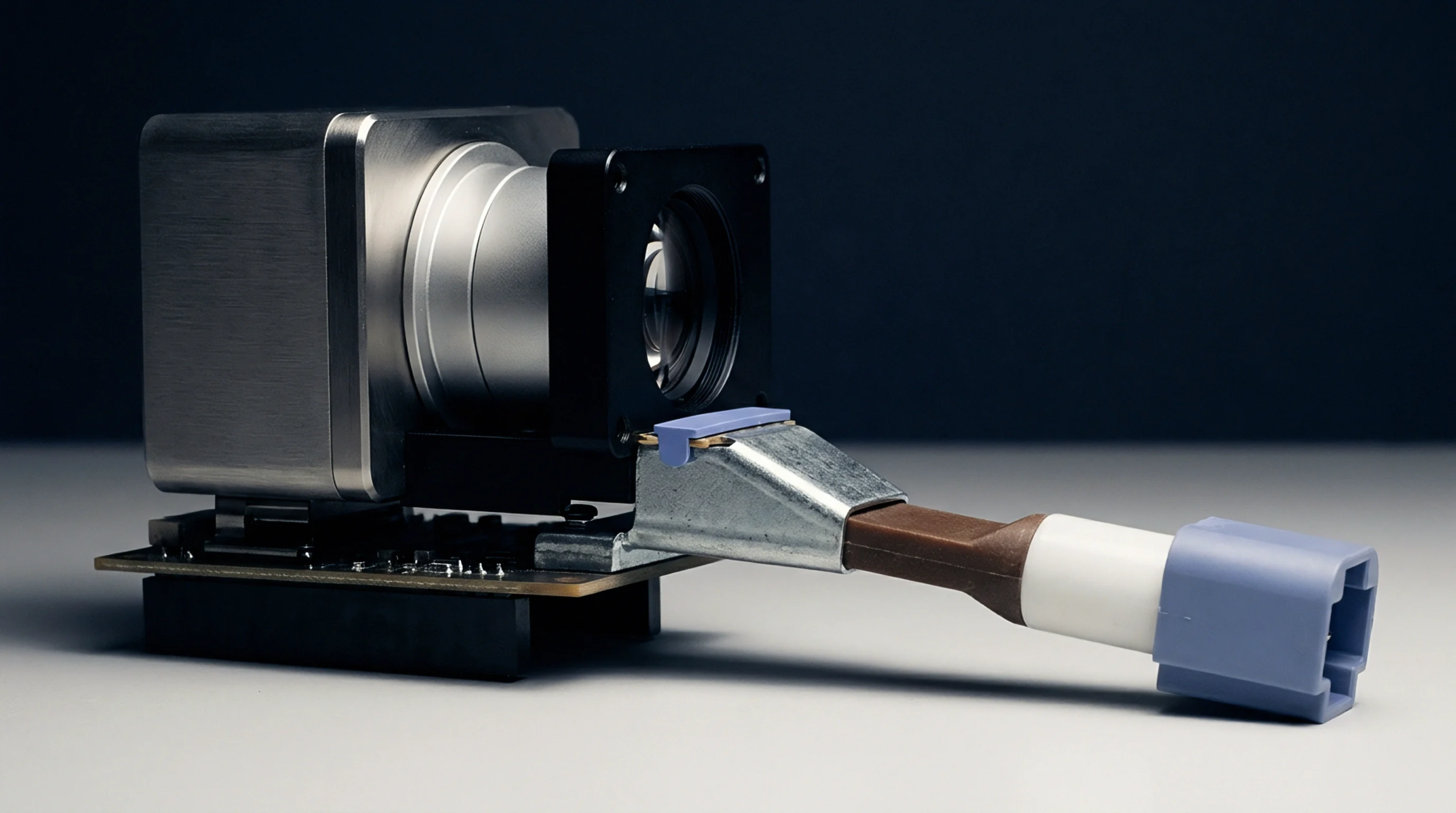
Mathematical modeling of sensor fleets integrates Poisson queuing, lognormal link margin decay, and battery discharge dynamics to prevent fleet brownouts.
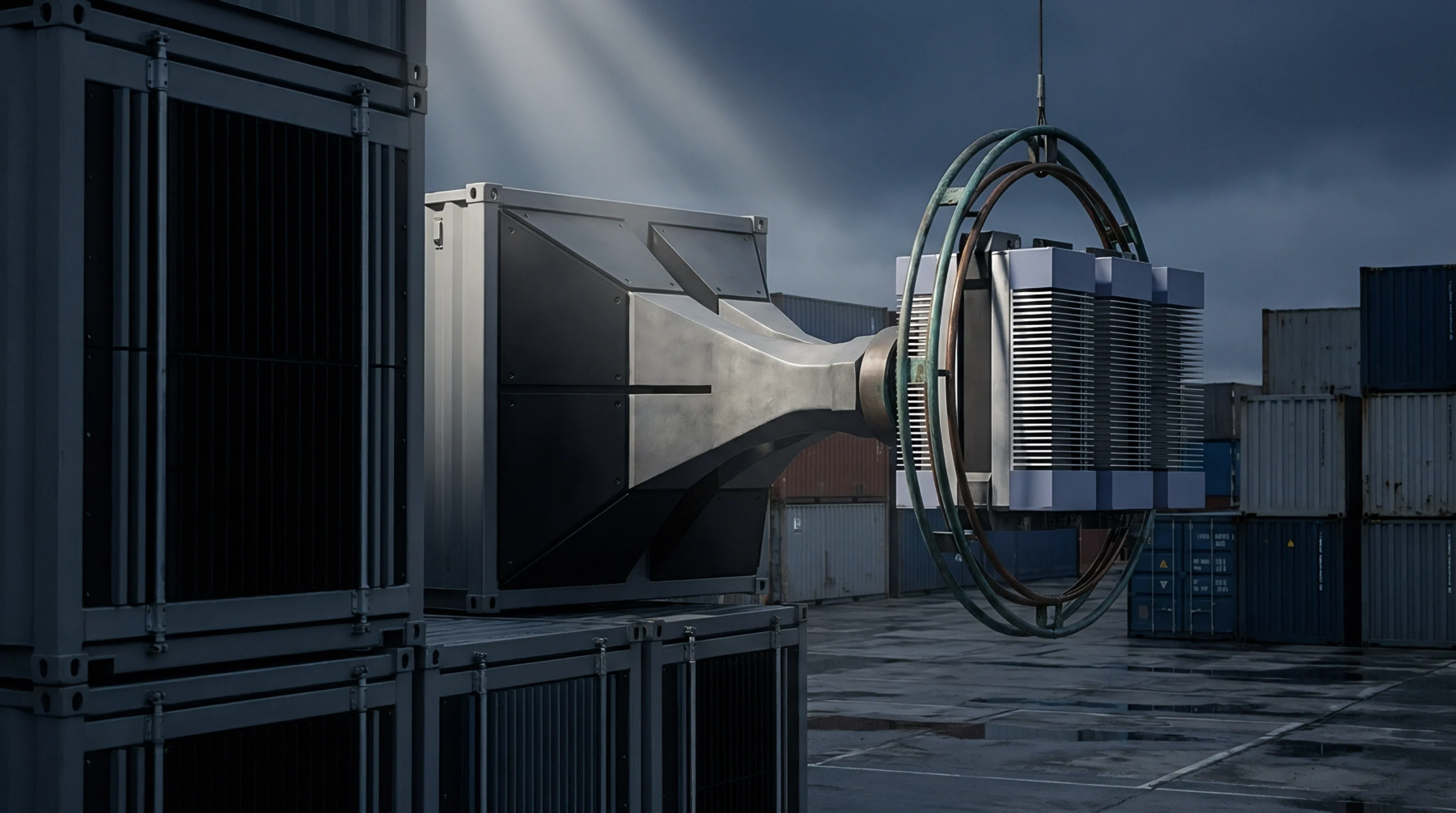
Thermal dielectric drift shifts substrate permittivity and trace impedance, detuning filters and risking band-edge non-compliance during climatic chamber testing.

Encapsulating transmitters alters dielectric loading, detuning antennas and shifting RF exposure boundaries, demanding re-evaluation of emissions and SAR compliance.

Severe antenna detuning elevates power amplifier current and airtime during profile reselection, driving battery voltage below shutdown limits.

Antenna detuning shifts transmitter power amplifier load impedance away from nominal conjugate match, slashing power added efficiency and draining battery reserves.

Sub-GHz antenna detuning increases transmit current over eighty percent, triggering severe battery voltage droop that demands hybrid capacitor buffering.
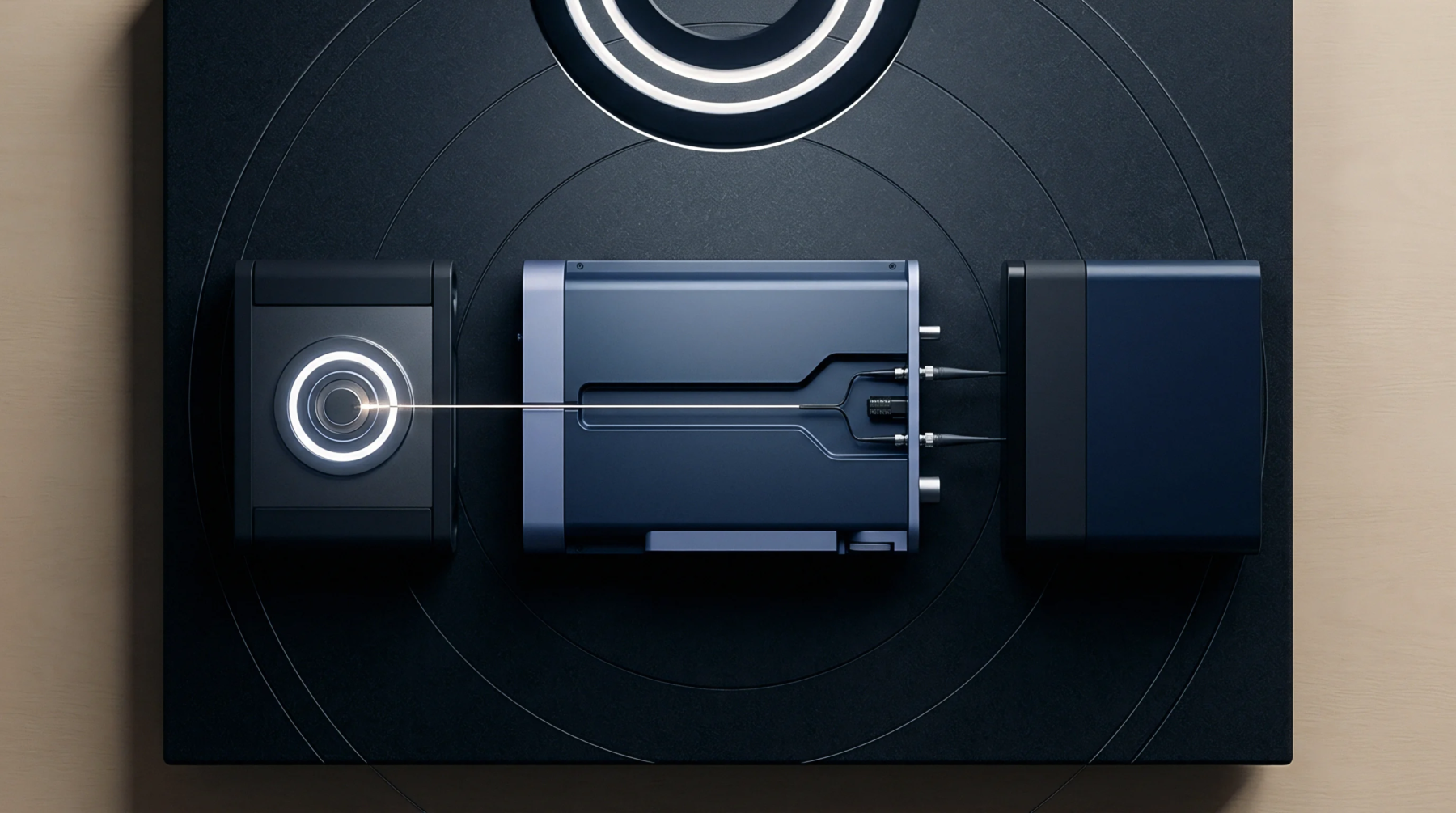
Dynamic time-averaged SAR algorithms maintain peak RF power burst capabilities by managing continuous output power against rolling regulatory exposure ledgers.
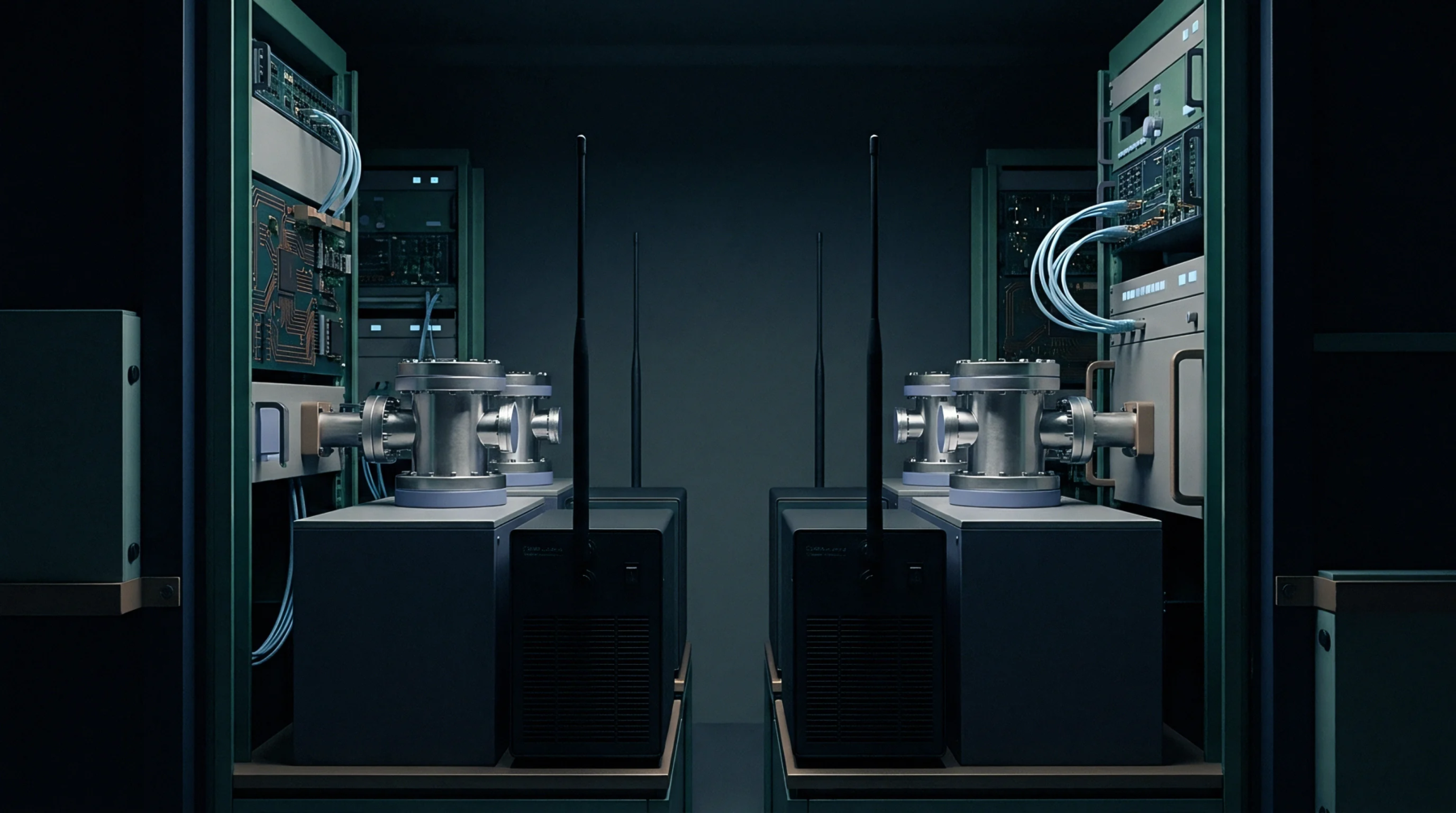
Dynamic reserve models weight empirical lab failure rates and schedule downtime penalties across target export regimes to price true host radio approval risk.

Host enclosure modifications alter near field dielectric loading pulling antenna resonance out of band, degrading radiated efficiency, and forcing regulatory filings.

Sub-GHz link margin calculations require combining receiver sensitivity, regulatory power limits, log-distance path loss, and enclosure detuning losses.

Altering modular radio host enclosures requires Class Two Permissive Changes when material shifts detune antennas or elevate radiated spurious emissions.

Resin variations alter near-field dielectric loading, detuning antennas and triggering costly re-testing to maintain market authorization grants.

Antenna detuning under high VSWR forces RF power amplifiers into severe voltage rupture or thermal saturation unless verified across multi-band load-pull contours.

Radiated sensitivity verification requires Total Isotropic Sensitivity testing in anechoic chambers to uncover host desense and antenna losses.

Unshielded wireless modules legally void standard modular approvals, transferring all radiated compliance liability and certification costs to the host integrator.

Real Bluetooth range requires calculating conducted power, antenna loss, indoor obstruction models, and fade margins beyond basic datasheet sensitivity.

Heavy industrial metal environments require a multipath shadowing margin floor between 24 dB and 38 dB to guarantee 99 percent link availability.
Expertise is a utility, not a secret. sentiention™ publishes its working knowledge as open reference: intelligence layer covering the materials it sources, the markets it enters, and the reference that serves both.