
Wi-Fi Modules in Dense Deployments Where Throughput Collapses
Wi-Fi throughput collapses in dense deployments when preamble misses and conservative energy detection thresholds trigger retry storms and modulation rate decay.
Wi-Fi throughput collapses in dense deployments when preamble misses and conservative energy detection thresholds trigger retry storms and modulation rate decay.

Modular radio approvals transfer strict radiated compliance obligations to host builders, requiring rigorous change classification and trace stackup control.
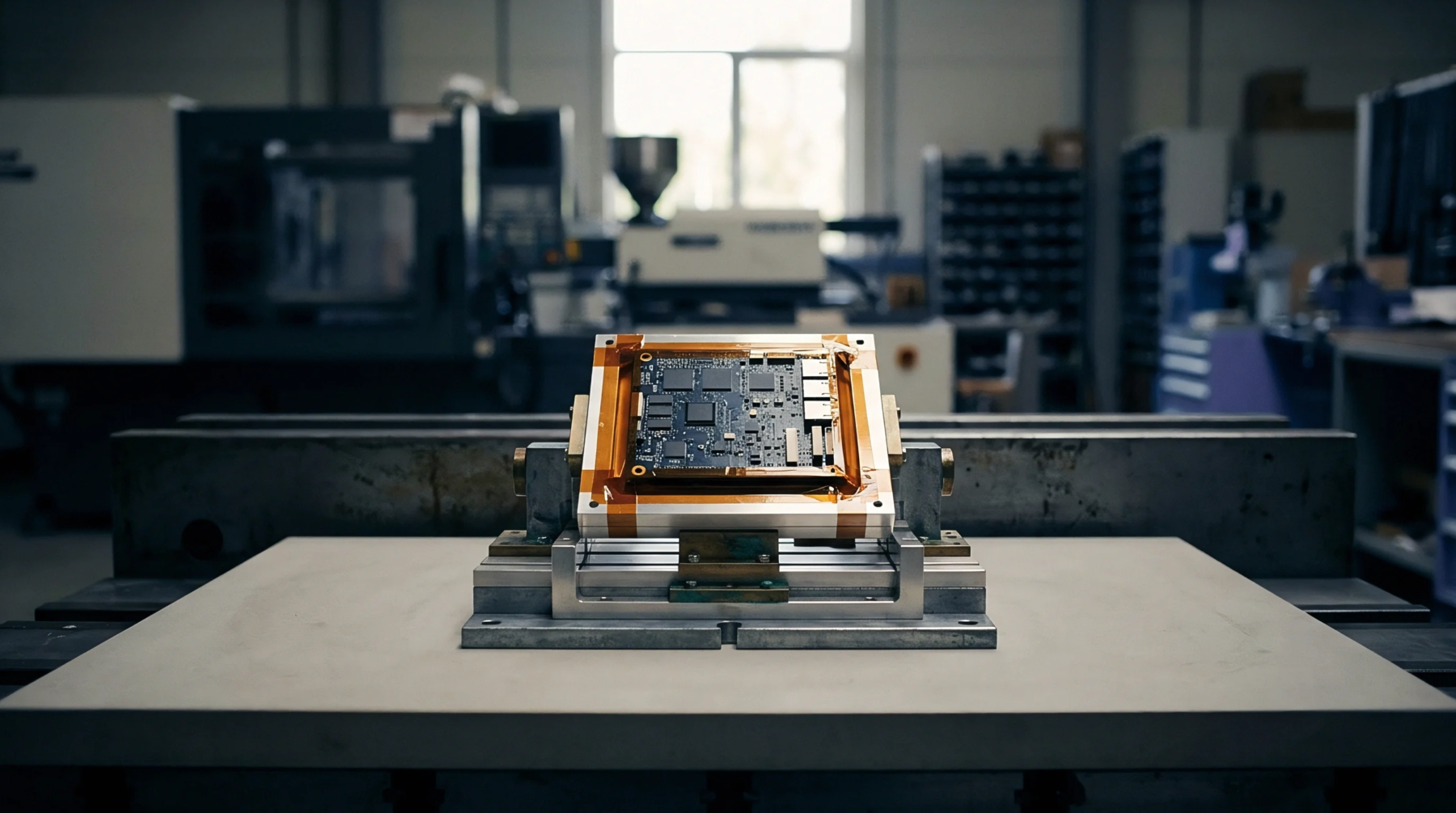
Host level re-testing for multi-transmitter industrial embedded devices requires evaluating simultaneous transmission intermodulation products inside a semi-anechoic chamber whenever antenna separation drops below 20 cm.

Modular radio grants only protect host products when integration documentation, antenna parameters, and Class II permissive change filings match final hardware.

Trap rich polysilicon layers freeze interface charges to hold high resistivity and suppress switch harmonics below minus eighty dBc.

Host hardware vendors retain ultimate legal liability for combined device compliance, requiring host verification despite module pre-certification.

Standardizing RF front-end pad layouts allows single-PCB hardware deployments across distinct regional sub-GHz band plans without board respins.
Pre-certified FCC modular grants eliminate fundamental radio testing but require strict host trace adherence, exposure compliance, and Part 15B verification.

Resolving multi-radio intermodulation spur failures requires board-level filtering, 20 dB antenna isolation, and verified Class II permissive change filings.
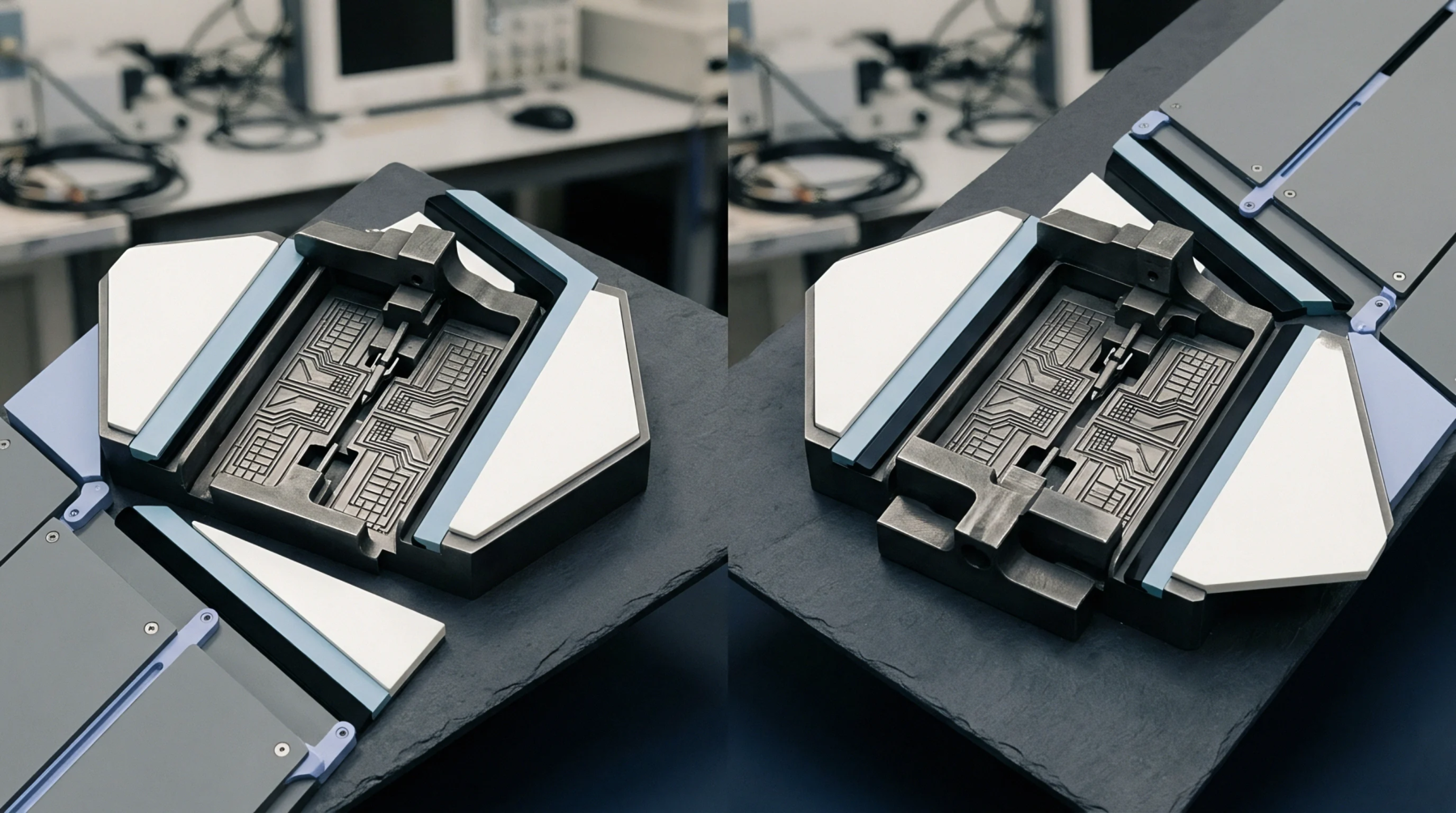
Atomic layer deposition alumina-nitride passivation nanolaminates hold interface trap density below 10^11 cm^-2 eV^-1, preventing high-power RF current collapse.

FCC Part 15 modular rules allow pre-certified radios in host devices provided shielding, power regulation, labeling, and antenna limits match grant guidelines.
Modular host integration triggers a Class II Permissive Change whenever trace redesigns, antenna swaps, or co-location alter SAR or radiated emissions profile.
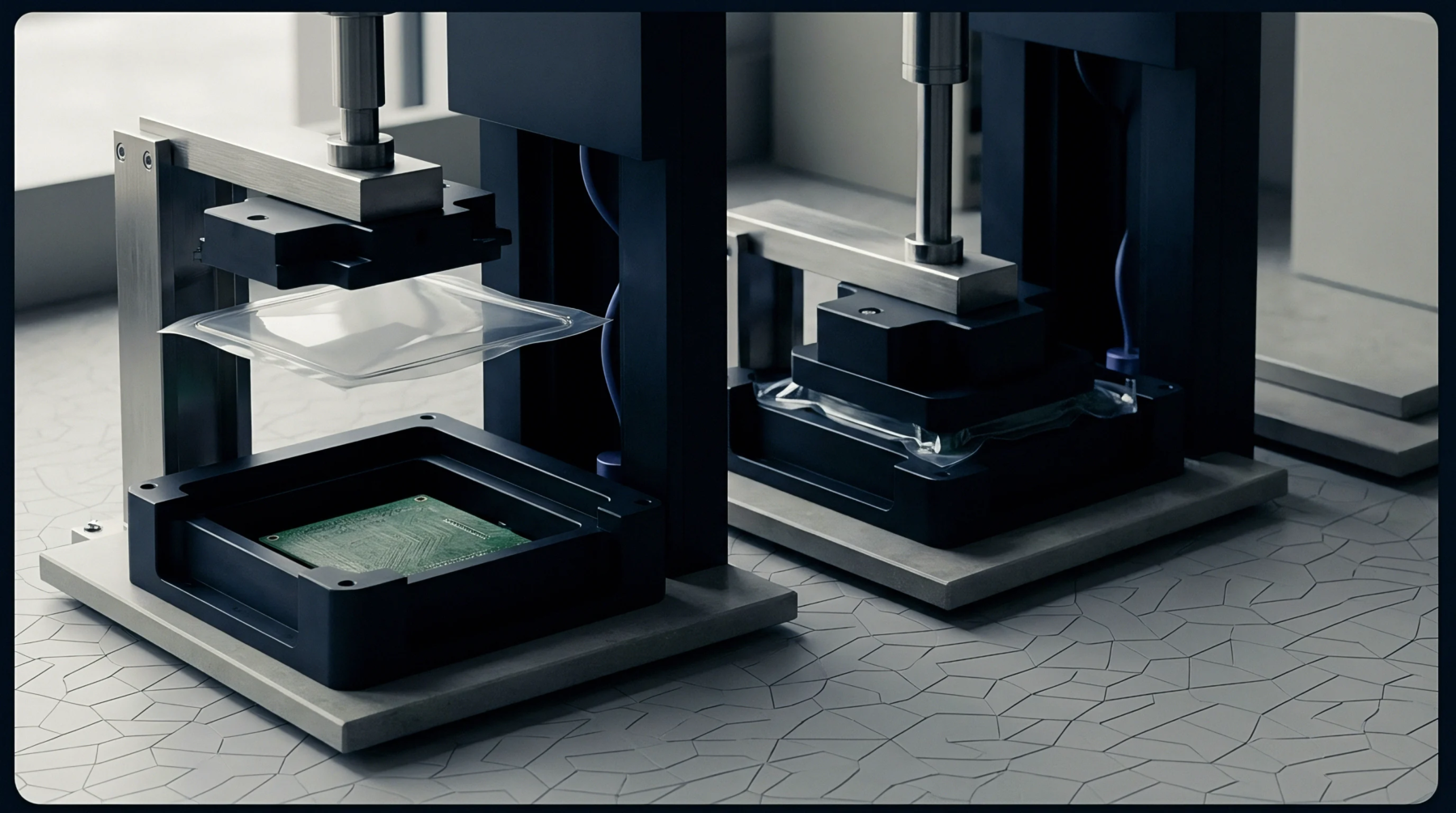
Substituted host antennas qualify for Class II Permissive Changes only when peak gain stays below certified limits and radiative physical structure remains identical.
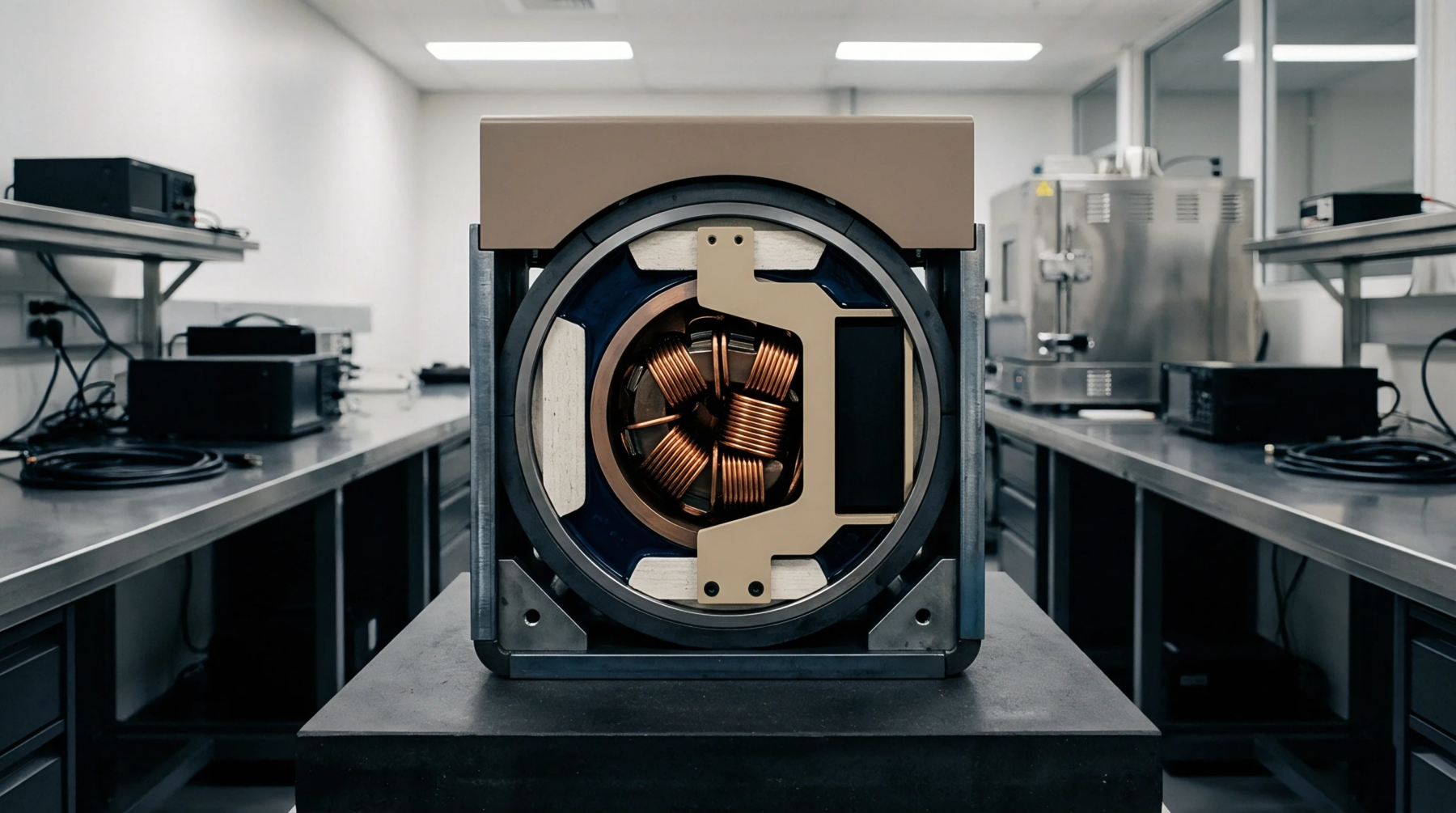
Unshielded multi-radio integration induces enclosure cavity resonances that amplify harmonic spurs, requiring Class II Permissive Changes and RF damping.
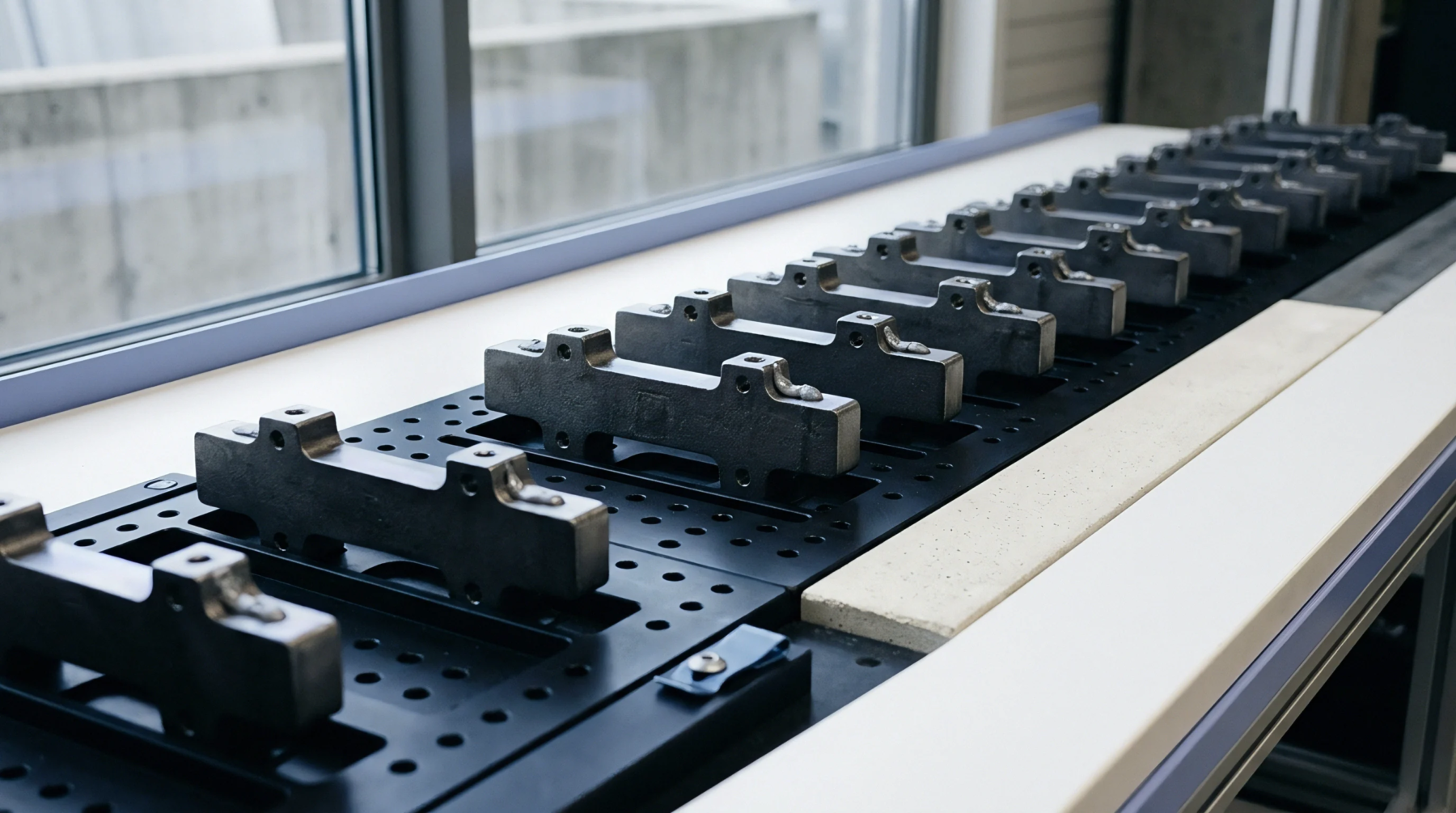
Aggressive dynamic CCA elevation trades spatial isolation for medium concurrency, raising co-channel interference floors and forcing MCS drops on distant stations.

Minimum antenna separation depends on transmitter power, receiver blocking thresholds, intermodulation mixing products, and regulatory simultaneous exposure ratios.

Trap-rich polysilicon layers beneath buried oxide pin interface carriers to eliminate parasitic conduction and lower sub-6 GHz harmonic generation.

RF SOI switch FET stacking ratio and negative substrate biasing set second and third harmonic suppression below mandatory carrier acceptance ceilings across mismatch.
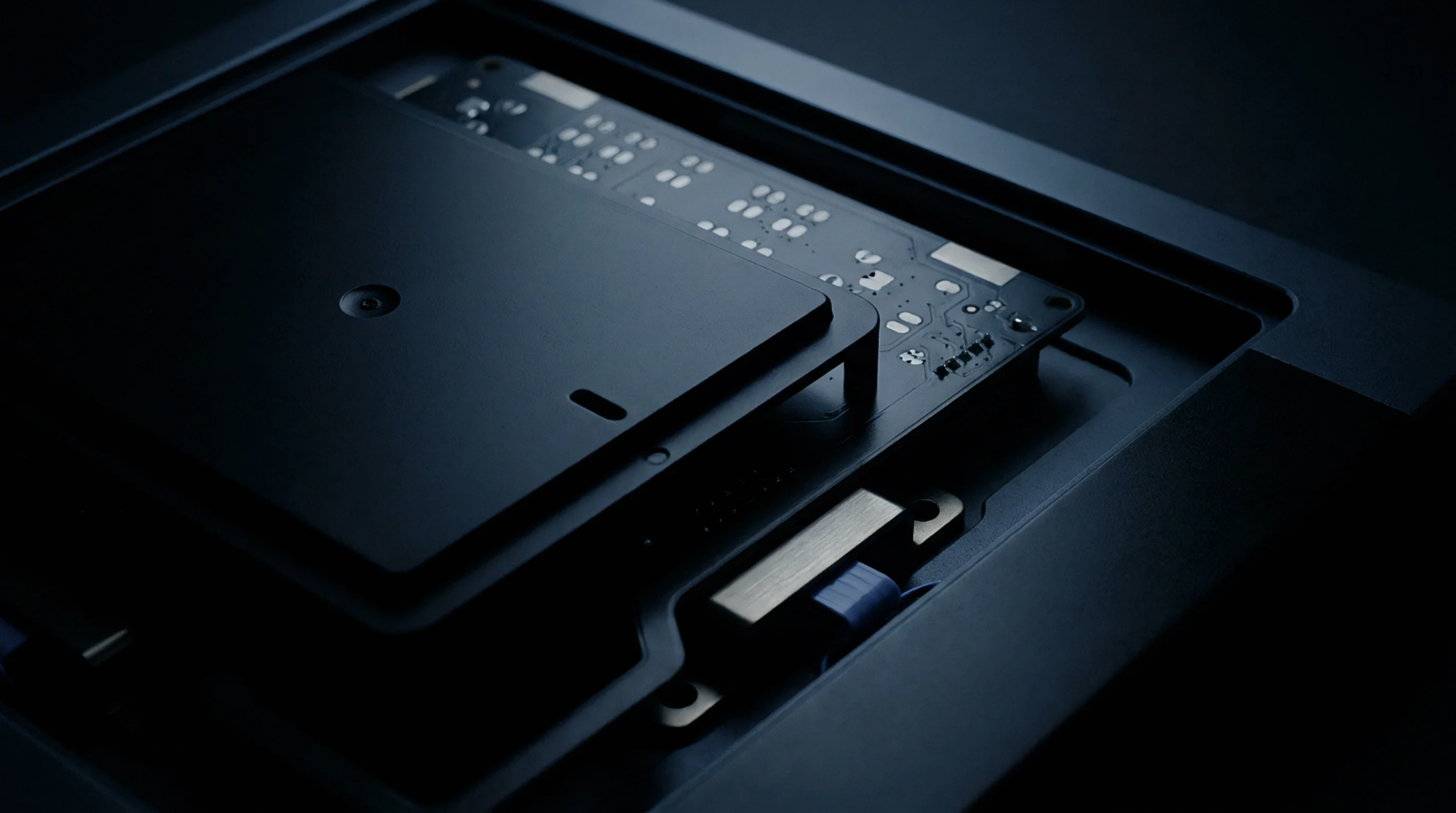
Internal metallic cavity modes coupling into co-located sub-6GHz radios create desense and spurious failures controllable by absorber placement and enclosure sizing.
Class Two Permissive Changes are triggered when physical, antenna, or firmware modifications alter RF emissions or RF exposure without exceeding original grant limits.
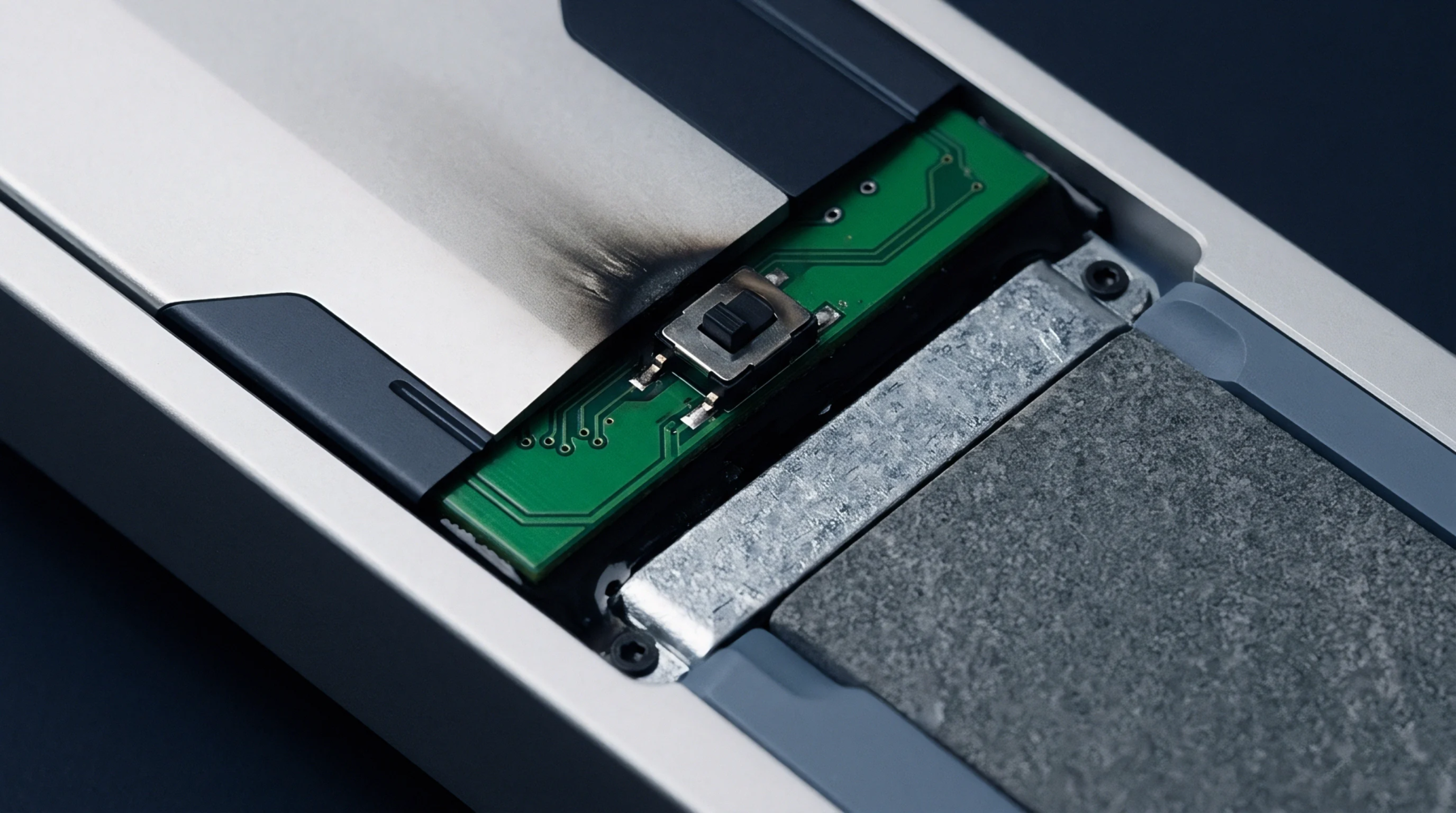
Trap retention in RF-SOI substrates degrades above 1000 C through grain coarsening, requiring millisecond anneals to preserve resistivity and harmonic suppression.
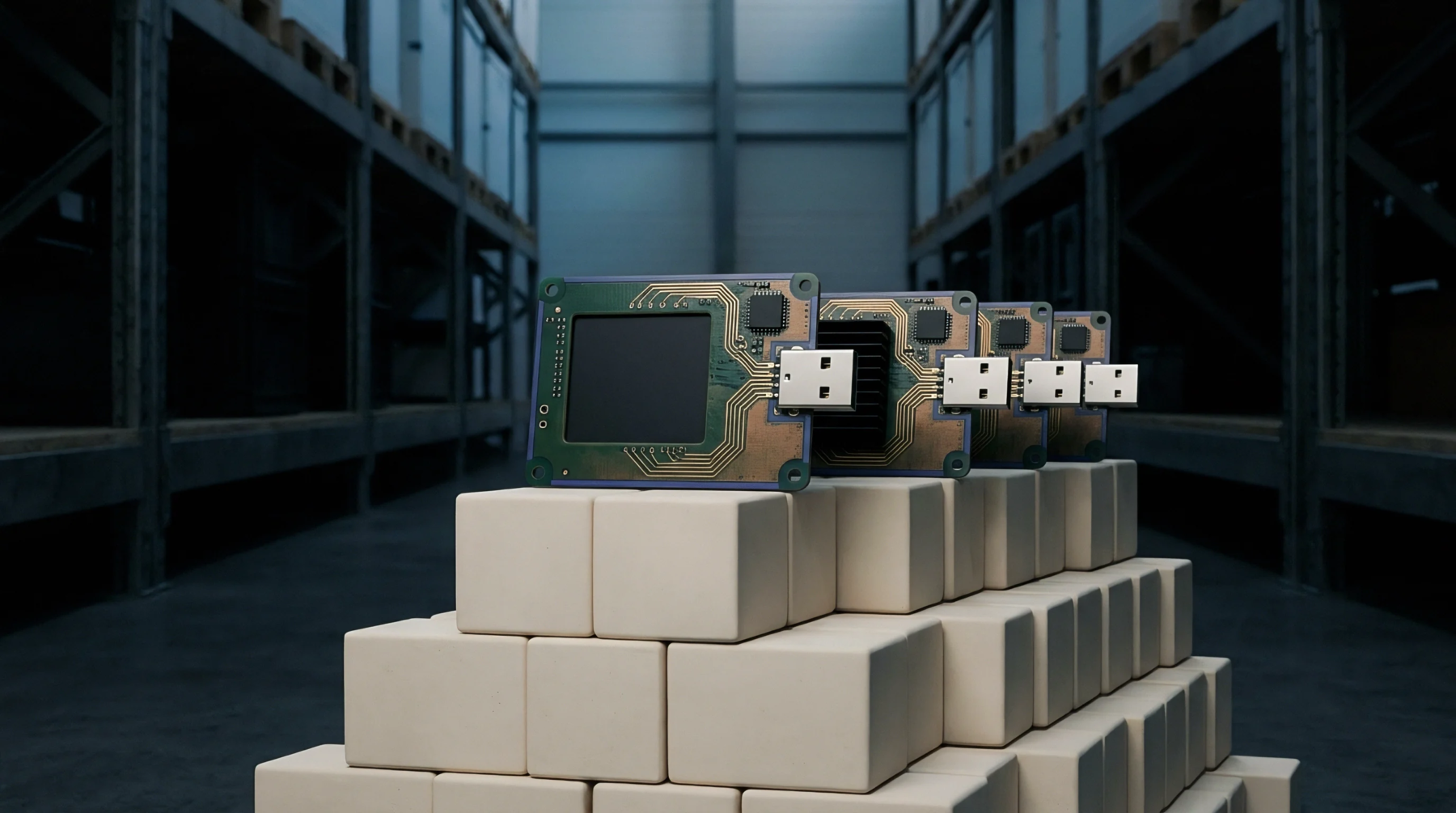
Harmonizing multi-transmitter host approvals demands pre-scan intermodulation testing, cross-jurisdictional exposure summations, and complete technical files.

Carrier limits require verifying multi-band total isotropic sensitivity with transmitters operating at full output power to ensure link budget survival.
Modular power table overrides trigger host non-compliance; commercial indemnification requires signed binary schemas and fuse-locked baseband execution.

Exceeding radiated spurious limits or specific absorption rate thresholds under close antenna co-location mandates a formal Class II Permissive Change filing.

Co-located wireless modules require permissive change filings whenever intermodulation exceeds Part 15.209 limits or portable SAR separation falls under 20 cm.
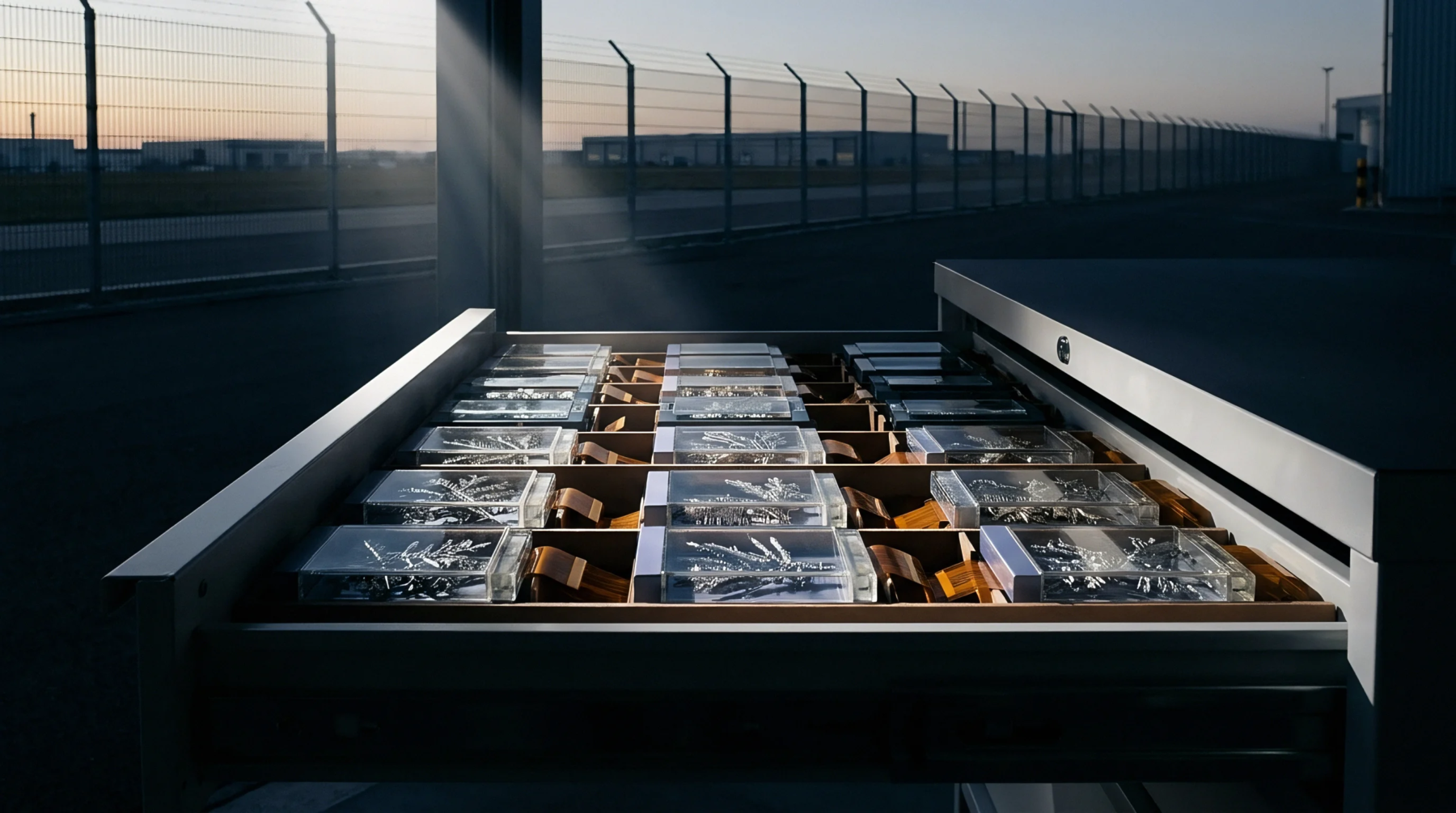
Mitigate multi-radio coexistence interference by combining 35 dB front-end isolation, steep ceramic harmonic filtering, and deterministic line arbitration.
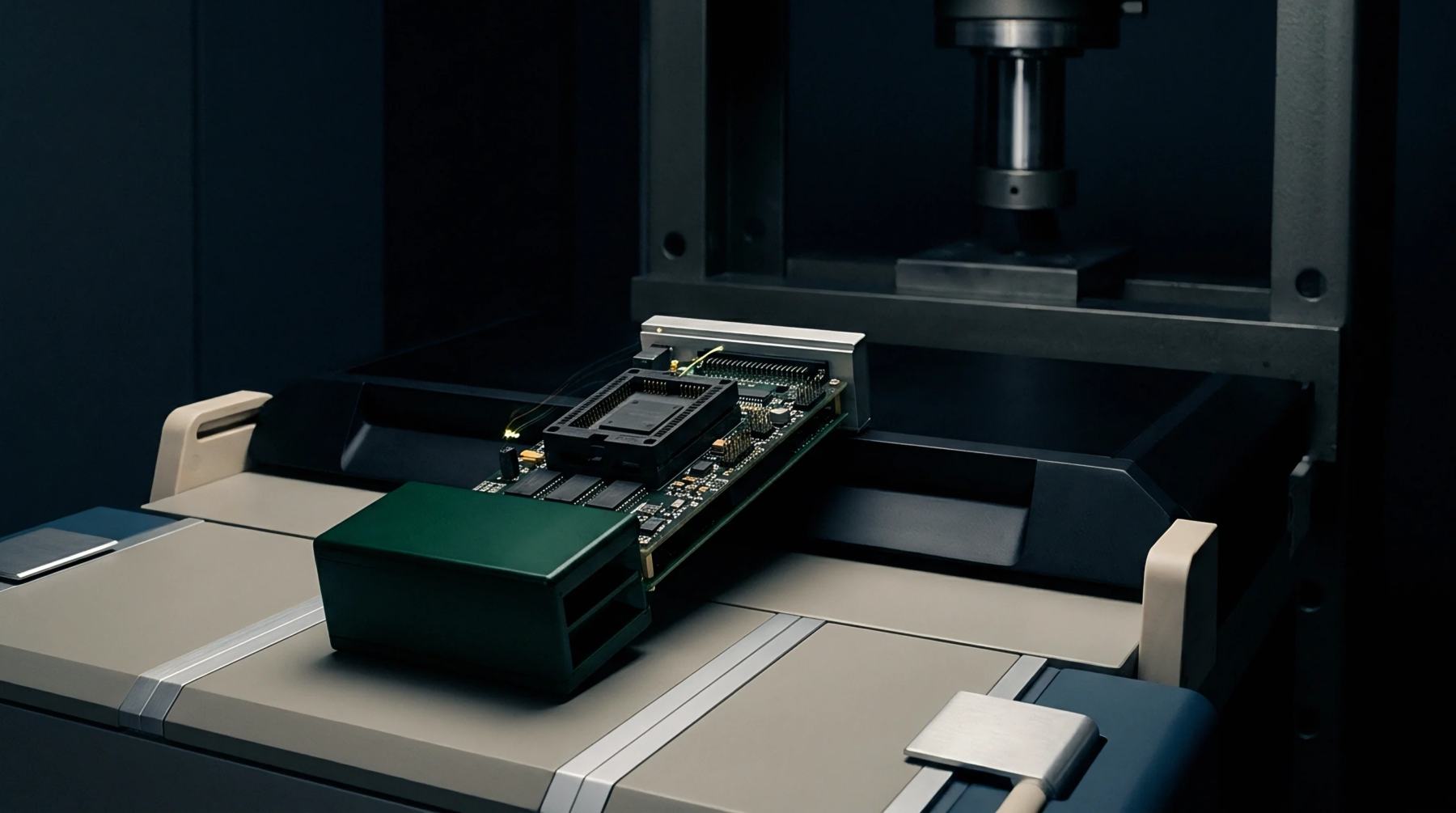
Host modular envelope boundaries end where layout traces, enclosure clearances, or SAR margins deviate from original certification integration instructions.
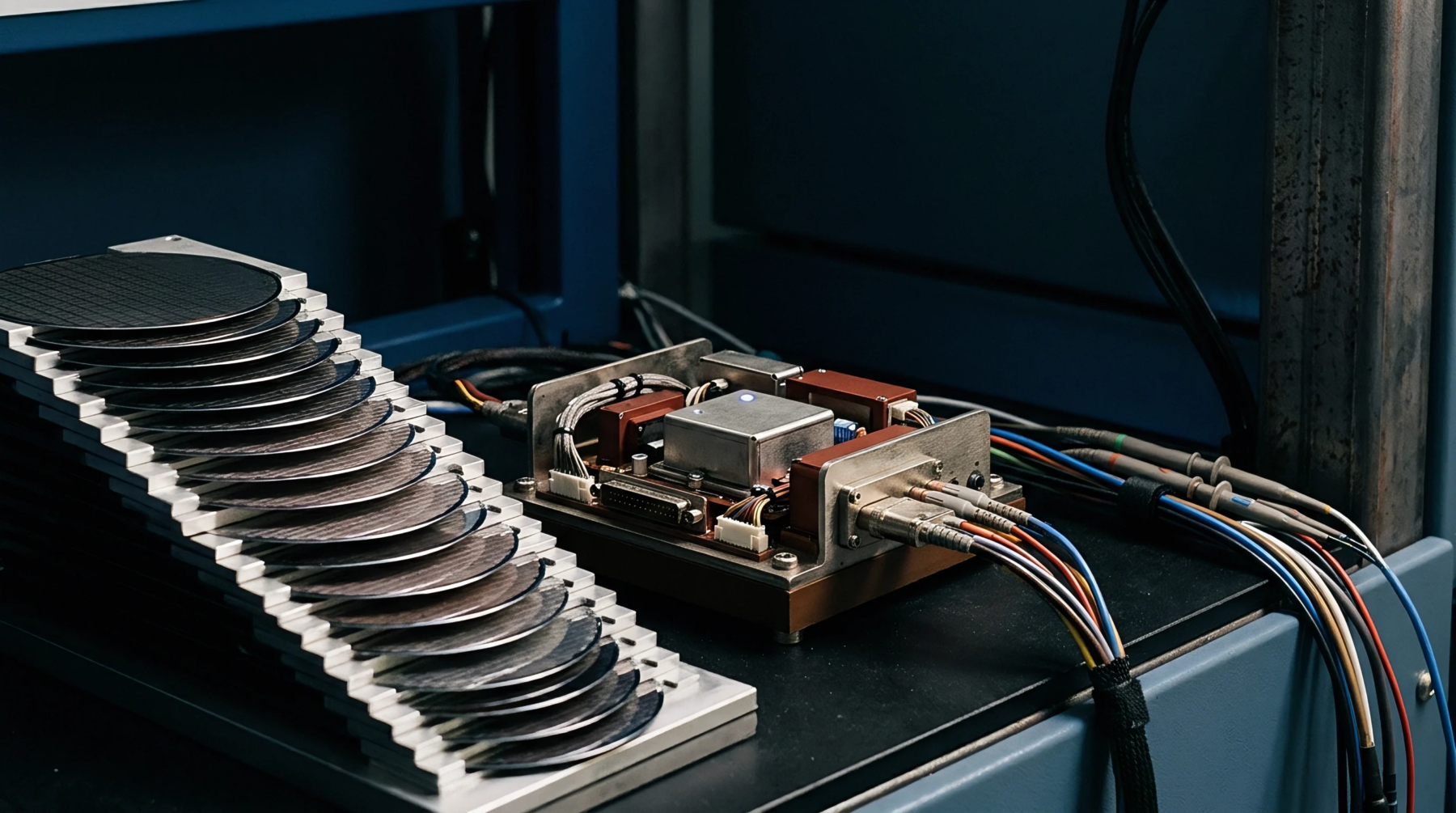
Trap-rich layers eliminate parasitic surface conduction in high-resistivity silicon, suppressing harmonic distortion and insertion loss in RF front-end modules.

Trap-rich layers suppress buried oxide field concentration under multi-carrier RF excitation, preventing substrate non-linearities from degrading linearity.
Expertise is a utility, not a secret. sentiention™ publishes its working knowledge as open reference: intelligence layer covering the materials it sources, the markets it enters, and the reference that serves both.