
LoRa Duty Cycle Ceilings That Decide Payload Frequency
LoRa duty cycle ceilings restrict packet frequency by limiting hourly transmission airtime, forcing trade-offs between spreading factor, payload size, and battery life.
LoRa duty cycle ceilings restrict packet frequency by limiting hourly transmission airtime, forcing trade-offs between spreading factor, payload size, and battery life.

Wireless protocol selection fixes physical range, payload boundaries, power draw profiles, regulatory approvals, and landed hardware costs across target markets.
Dynamic preamble tracking and thermal mass matched hardware RTC compensation recover 6 dB sensitivity and align sleep windows under extreme thermal shock.
Standardizing RF front-end pad layouts allows single-PCB hardware deployments across distinct regional sub-GHz band plans without board respins.
Real Bluetooth range requires subtracting antenna detuning, body loss, and indoor path loss exponents from marketing budgets before ordering silicon.
Sub-GHz protocols penetrate structural walls with 10 to 20 dB less attenuation than 2.4 GHz radios, securing long-range low-power indoor links.

Mitigate seven year eUICC fleet overages by pairing pooled dynamic tariffs with tight TCP socket controls to eliminate session rounding multiplication.
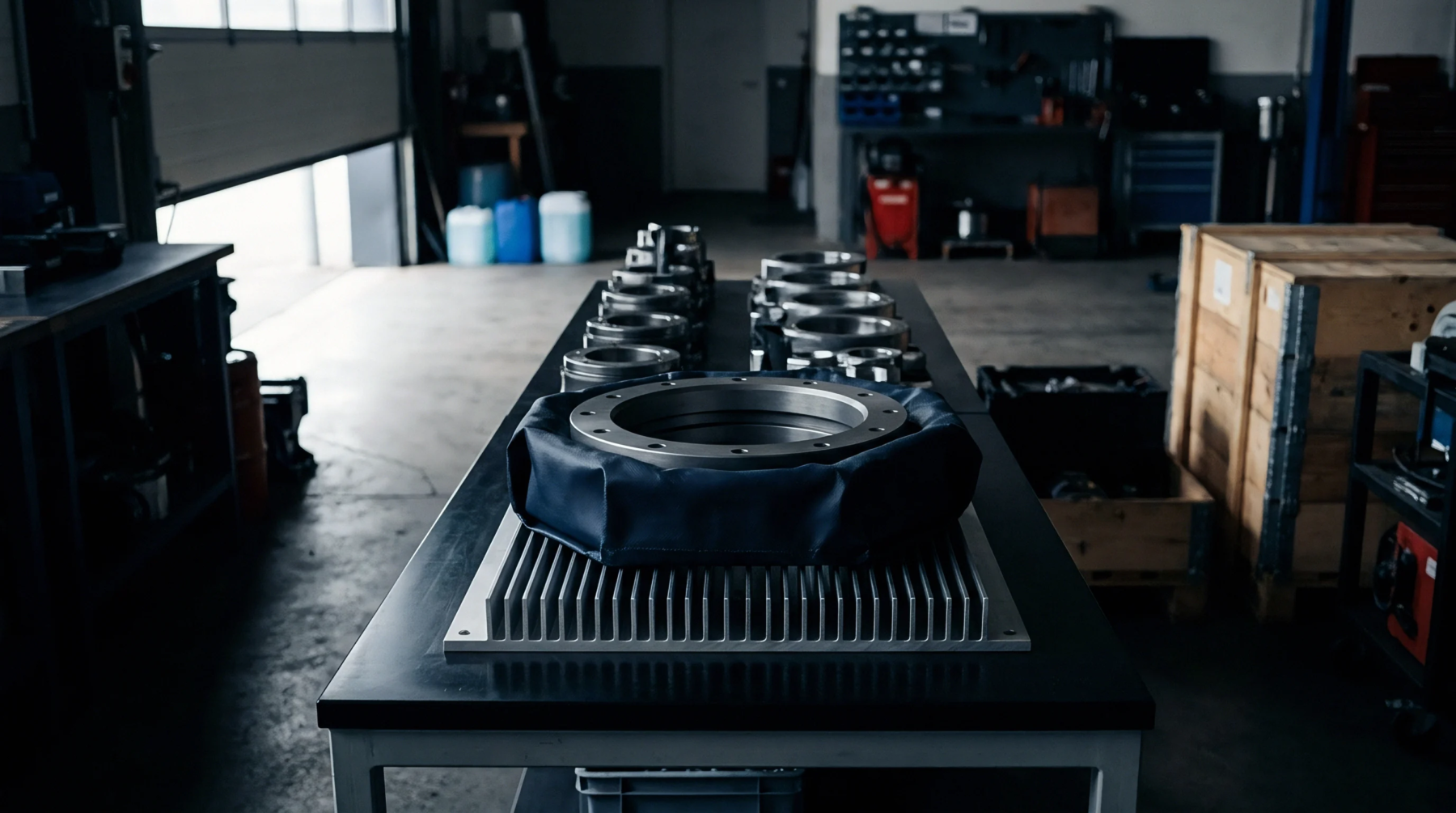
Parametric contract clauses allocate unannounced silicon revision risks by linking physical RF and current draw deltas directly to invoice price reductions.

Selecting industrial Wi-Fi modules demands matching transmit power, receiver sensitivity, and hardware coexistence mechanisms to plant RF noise floor profiles.
Subterranean RF attenuation forces high-power repetition modes that choke LiSOCl2 cathode pores with LiCl precipitate, demanding hybrid capacitor buffers.
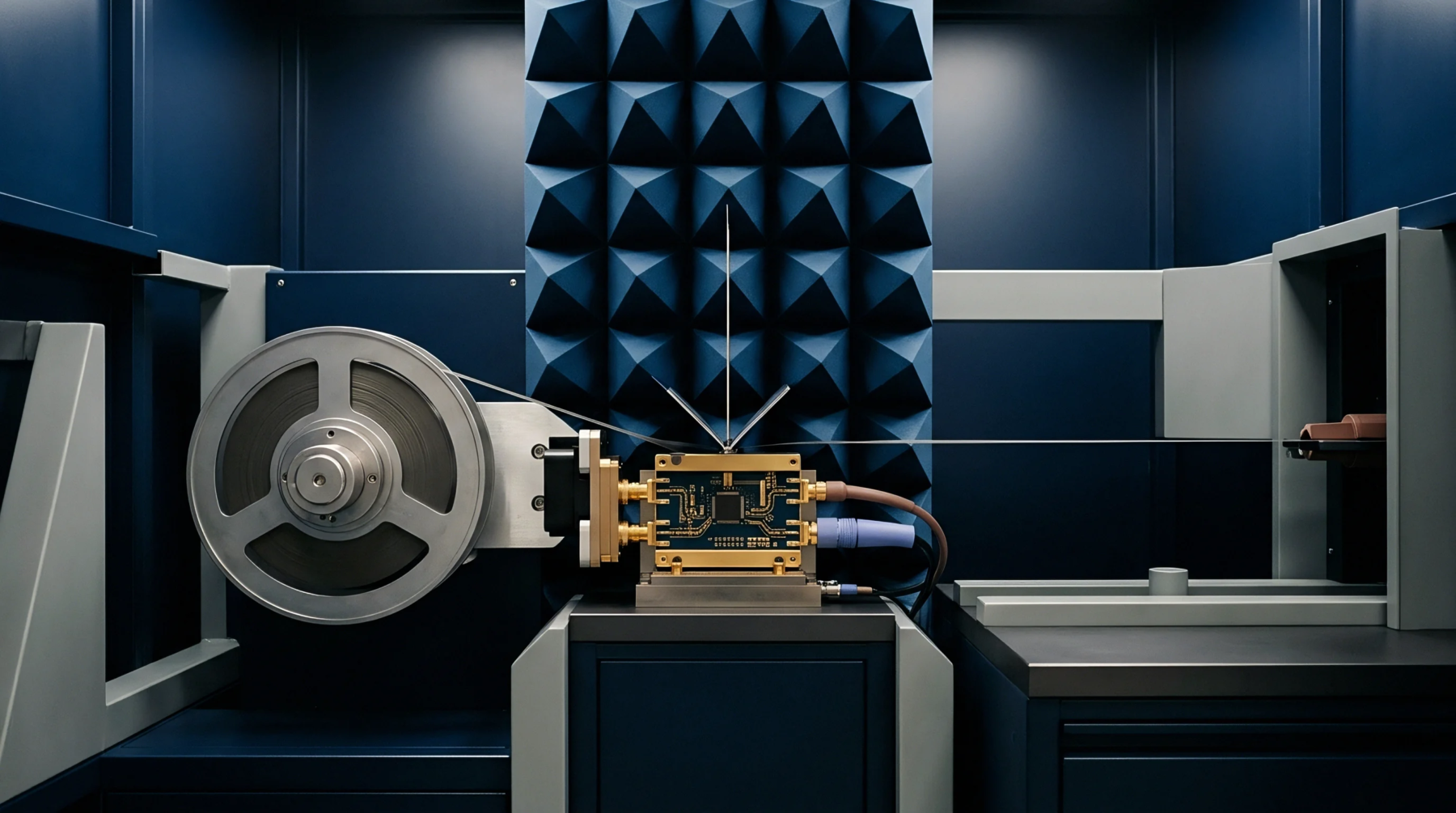
Plastic deformation at 100 GHz contact asperities expands effective skin depth and adds up to 1.8 dB flange loss, collapsing sub-THz radio link margins.
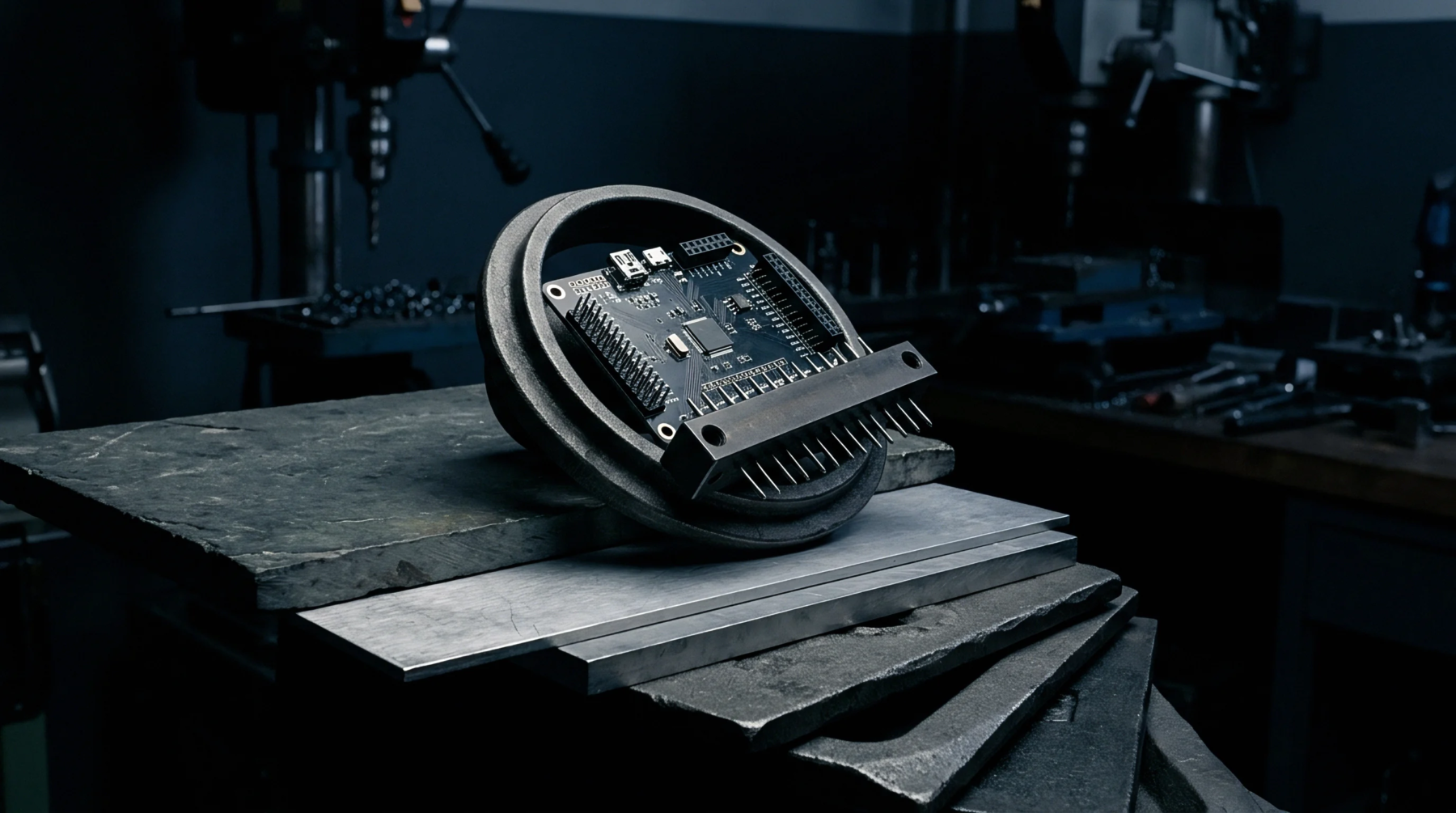
Dynamic heap exhaustion in Thread gateways occurs when concurrent EC-JPAKE handshakes and packet retries overwhelm unmanaged RAM; static pools fix the risk.
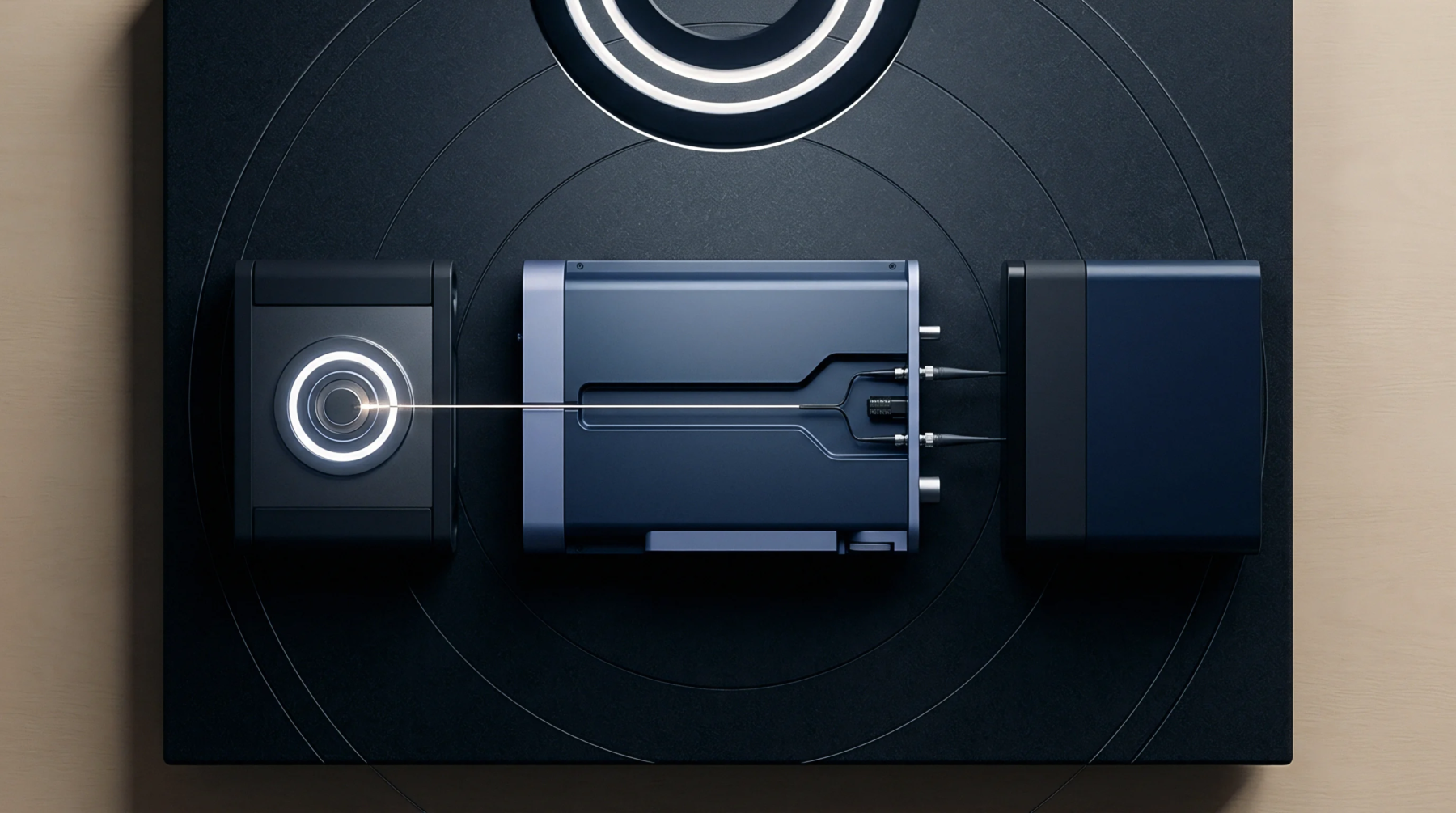
Dynamic time-averaged SAR algorithms maintain peak RF power burst capabilities by managing continuous output power against rolling regulatory exposure ledgers.
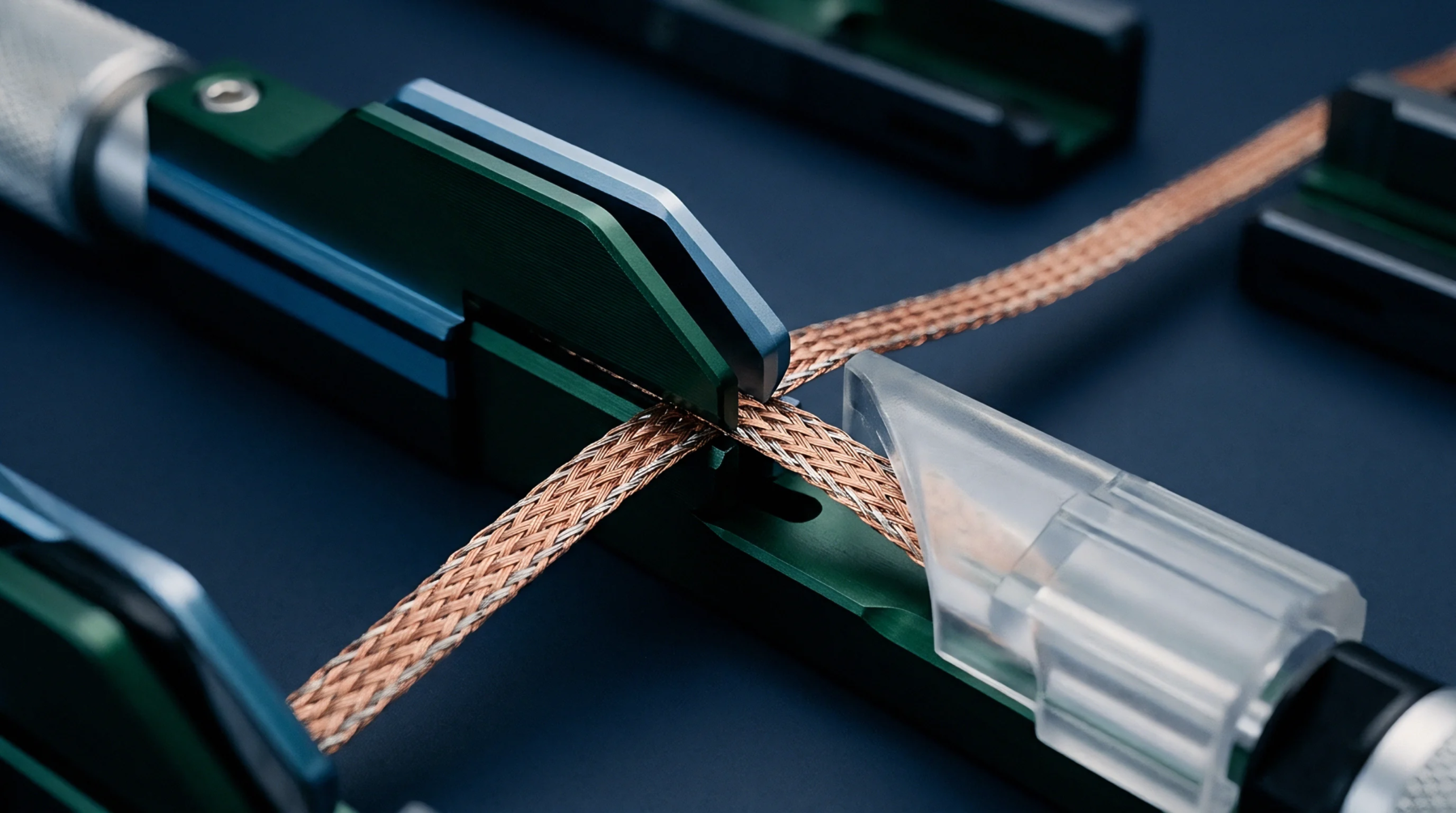
Scaling sub-GHz preamble lengths to offset crystal temperature drift preserves receiver sensitivity while reducing wake-on-radio battery drain.

Control Plane transport minimizes power for tiny payloads under 200 bytes, while User Plane transport provides superior efficiency for larger data transactions.

Radiated sensitivity verification requires Total Isotropic Sensitivity testing in anechoic chambers to uncover host desense and antenna losses.
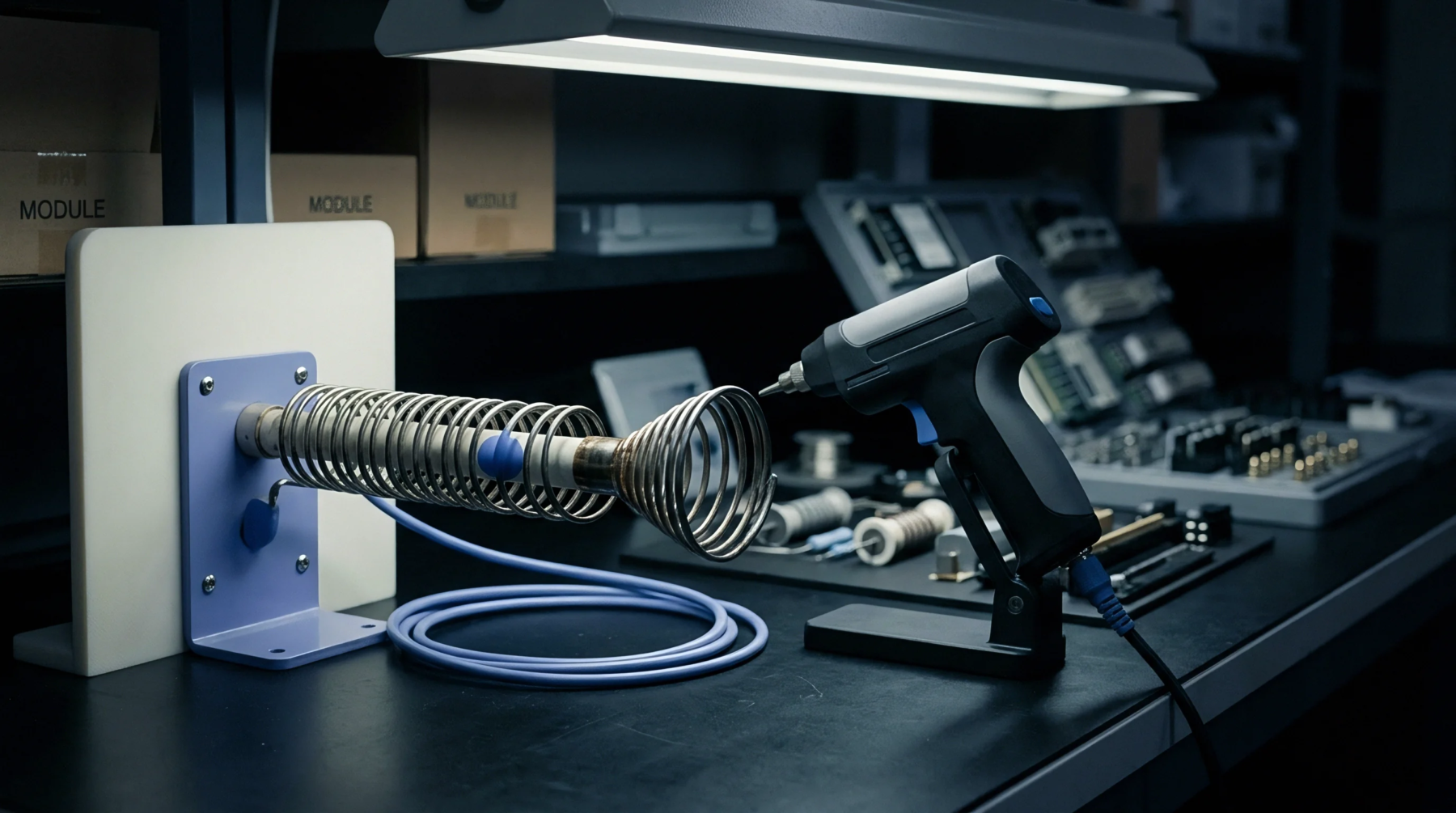
Micro coaxial insertion loss stems from skin-depth conductor resistance, polymer dielectric dissipation, braid leakage, and crimp-induced reflections.
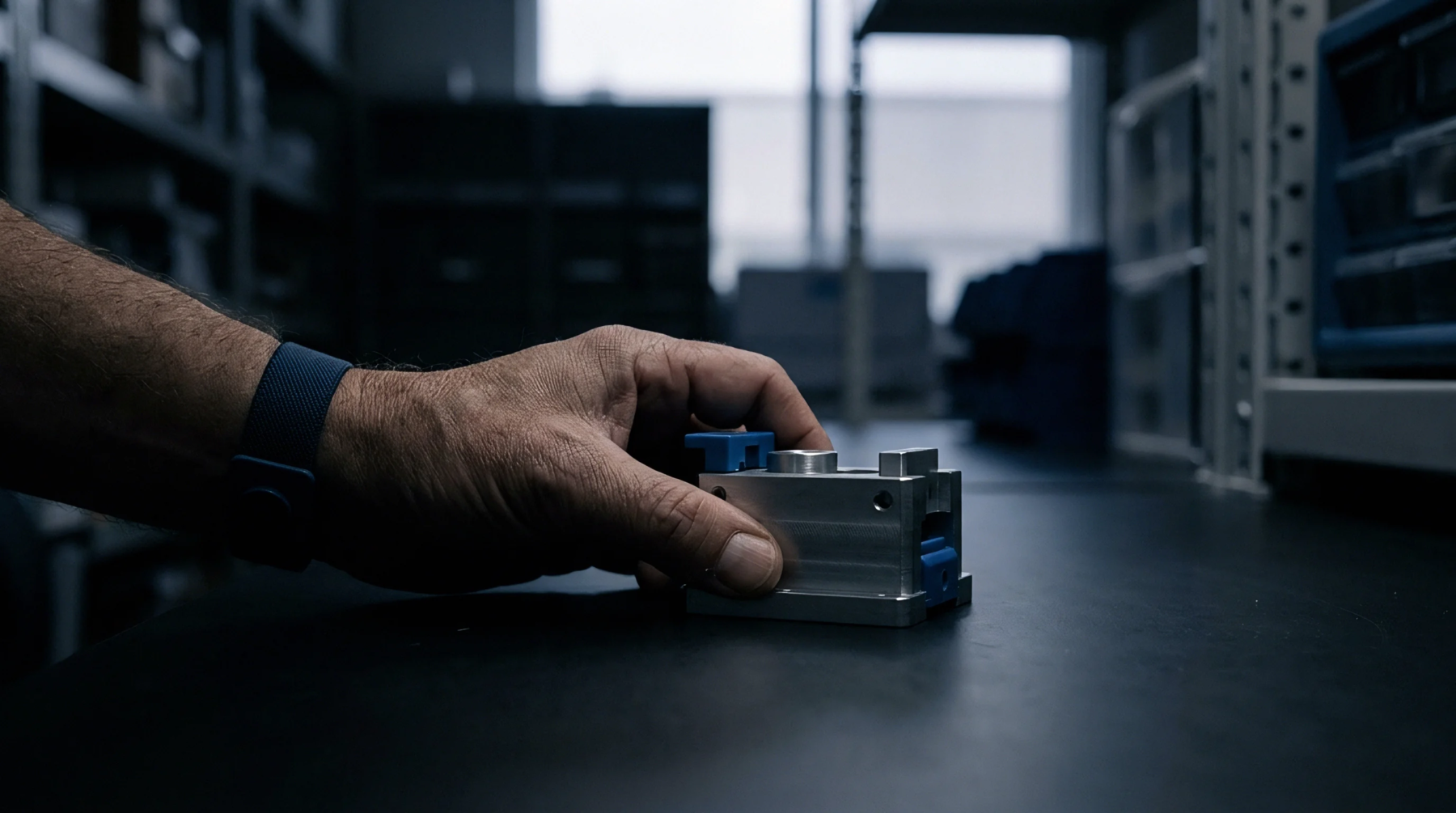
Enclosure plastics lower antenna resonance via dielectric loading, degrading impedance matching and radiation efficiency unless tuned inside the final housing.
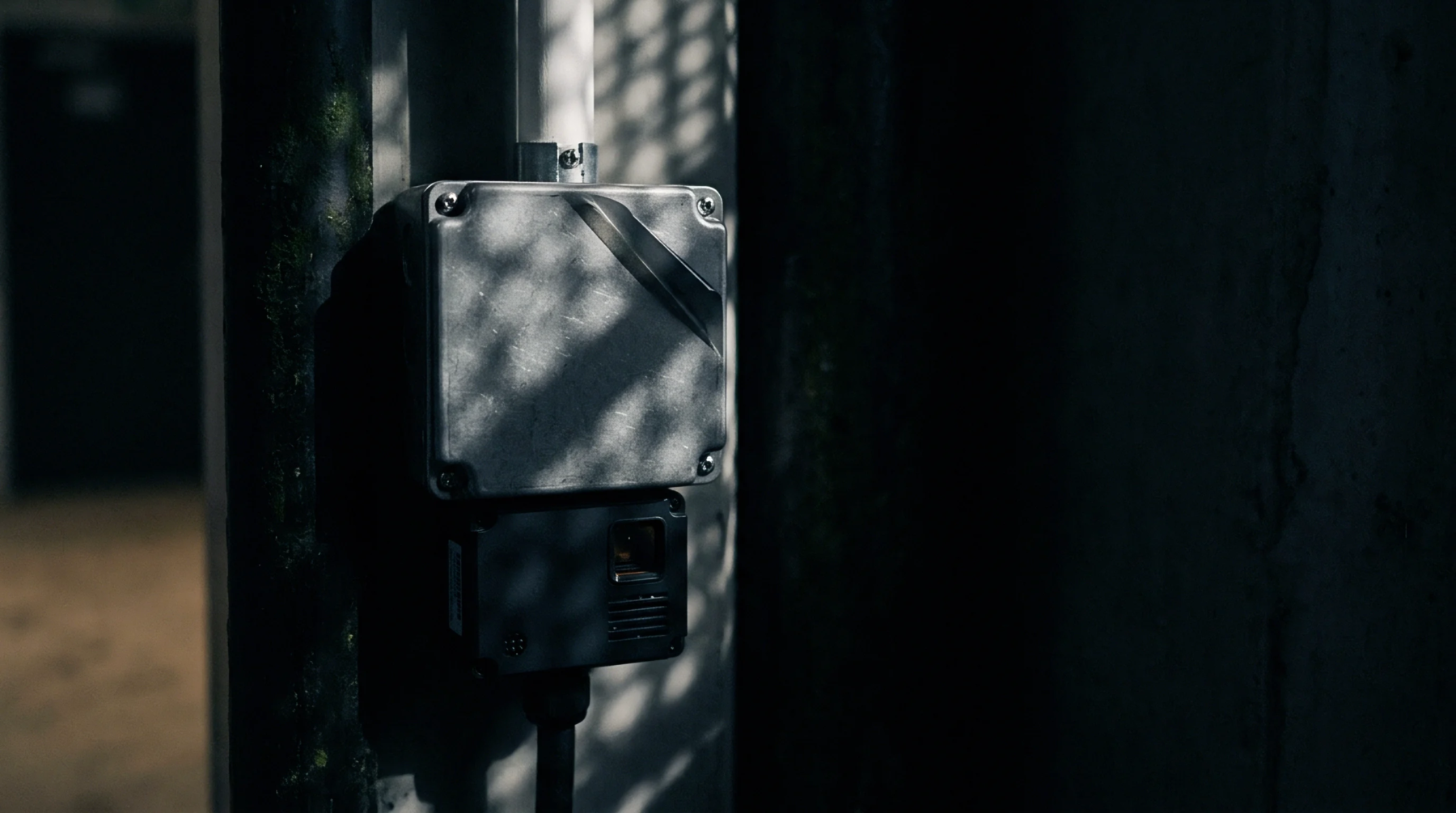
Truncating PCB ground planes collapses antenna radiation resistance, creates deep directional nulls, and forces RF return currents into noisy peripheral traces.
Near-field potting loading shifts antenna resonance up to 40 MHz, demanding fully meshed 3D co-simulation to prevent catastrophic link budget collapse.
Cross-border cellular tracker protocol selection requires balancing sub-GHz link budget penetration against multi-region operator roaming agreements and deep-sleep energy limits.
Mitigate multi-radio coexistence interference by combining 35 dB front-end isolation, steep ceramic harmonic filtering, and deterministic line arbitration.

Real Bluetooth range requires calculating conducted power, antenna loss, indoor obstruction models, and fade margins beyond basic datasheet sensitivity.

Real receiver sensitivity requires balancing coding gain against airtime energy penalties, thermal drift, and production lot variance.
Heavy industrial metal environments require a multipath shadowing margin floor between 24 dB and 38 dB to guarantee 99 percent link availability.
Thermal shock increases primary cell internal resistance, requiring output power derating to prevent immediate cutoff voltage collapse during radio pulses.
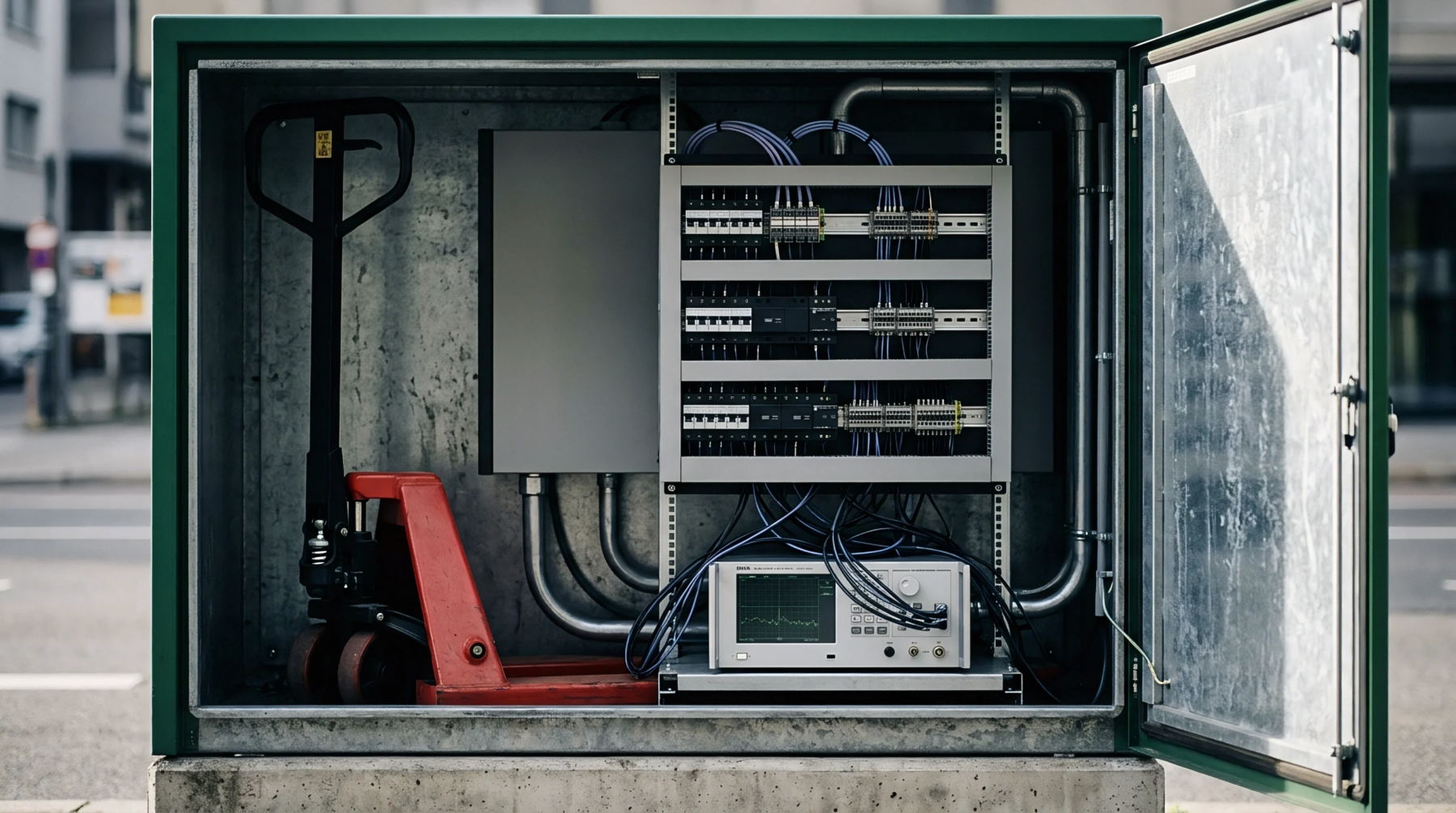
Sub-gigahertz selection pairs high link budgets with regional duty limits to pierce reinforced slabs without sacrificing multi-year battery lifespans.
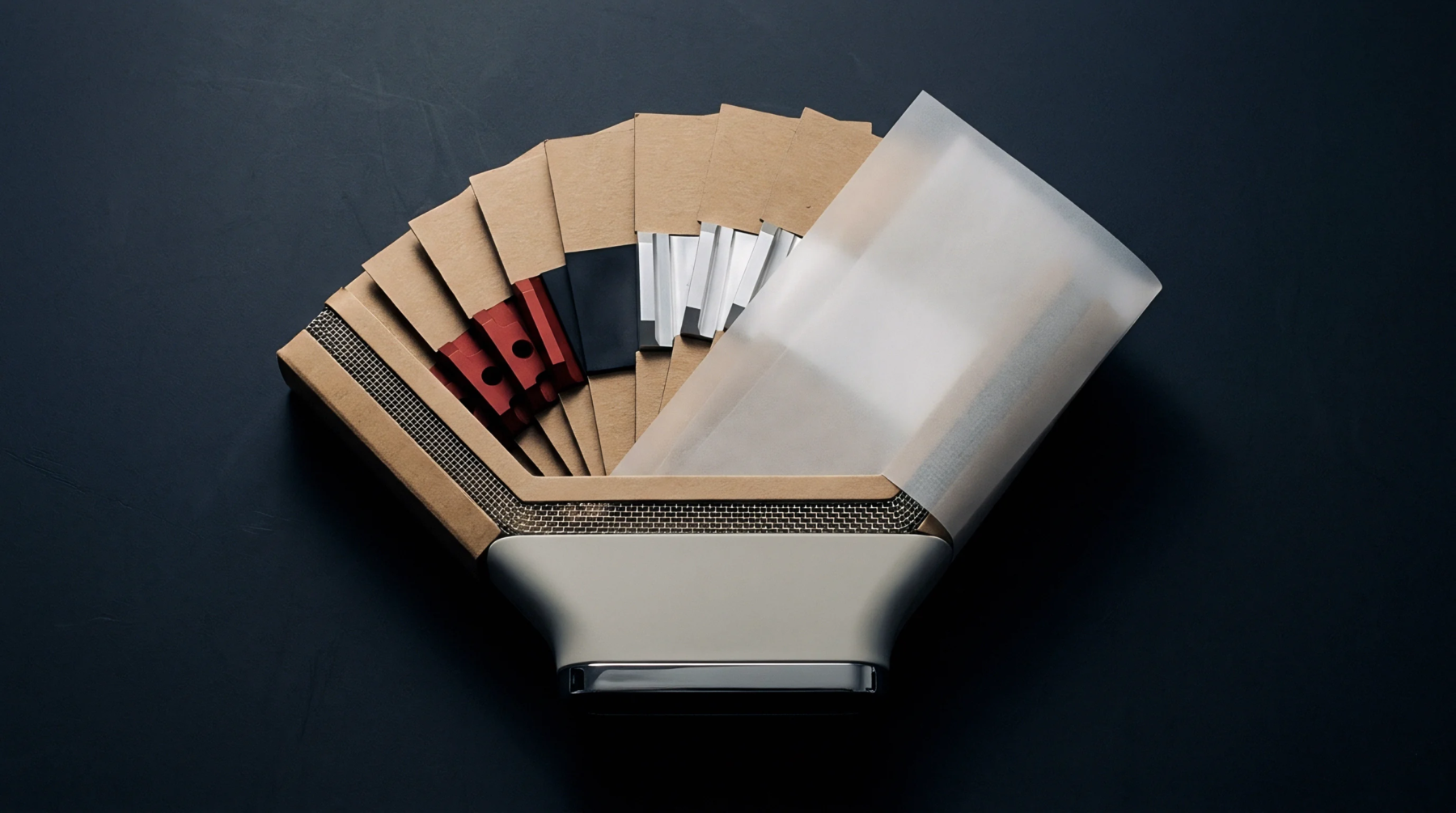
Primary lithium voltage delay during synchronized mesh search cascades requires parallel hybrid storage or staged firmware preconditioning to prevent brownout.
Sub-GHz range depends on matching transceiver front-ends to complex load impedances while satisfying regional power, duty-cycle, and harmonic rules.
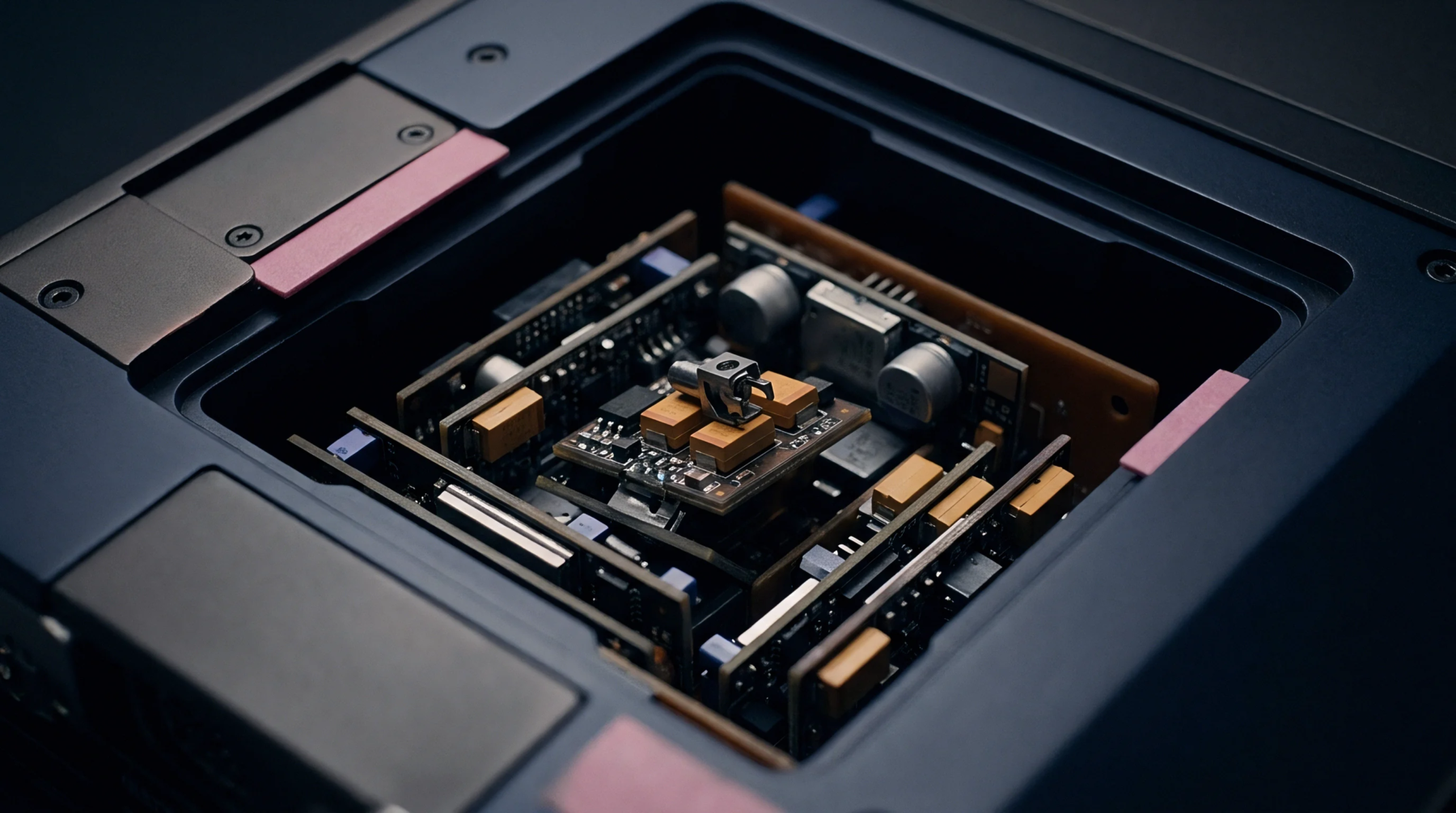
Regional sub-GHz power ceilings require harmonic filters balancing up to 71.2 dB rejection against insertion loss to preserve battery life and link margin.
Expertise is a utility, not a secret. sentiention™ publishes its working knowledge as open reference: intelligence layer covering the materials it sources, the markets it enters, and the reference that serves both.