
Acceptance Testing Written into a Statement of Work
Acceptance testing in a statement of work requires explicit pass-fail criteria, calibrated test fixtures, statistical sampling rules, and milestone payment locks.
Acceptance testing in a statement of work requires explicit pass-fail criteria, calibrated test fixtures, statistical sampling rules, and milestone payment locks.

High actuation frequency RF test sockets experience contact resistance instability through micro-fretting and oxide growth, corrupting signal integrity and yield.

Module IP ownership requires explicit transfer of native CAD files, uncompiled firmware toolchains, and test jigs to break supplier lock in.

Quantifying unplanned tooling downtime requires modeling direct hourly labor burn, facility overhead, material scrap, lot containment, and technical MSA requalification costs.
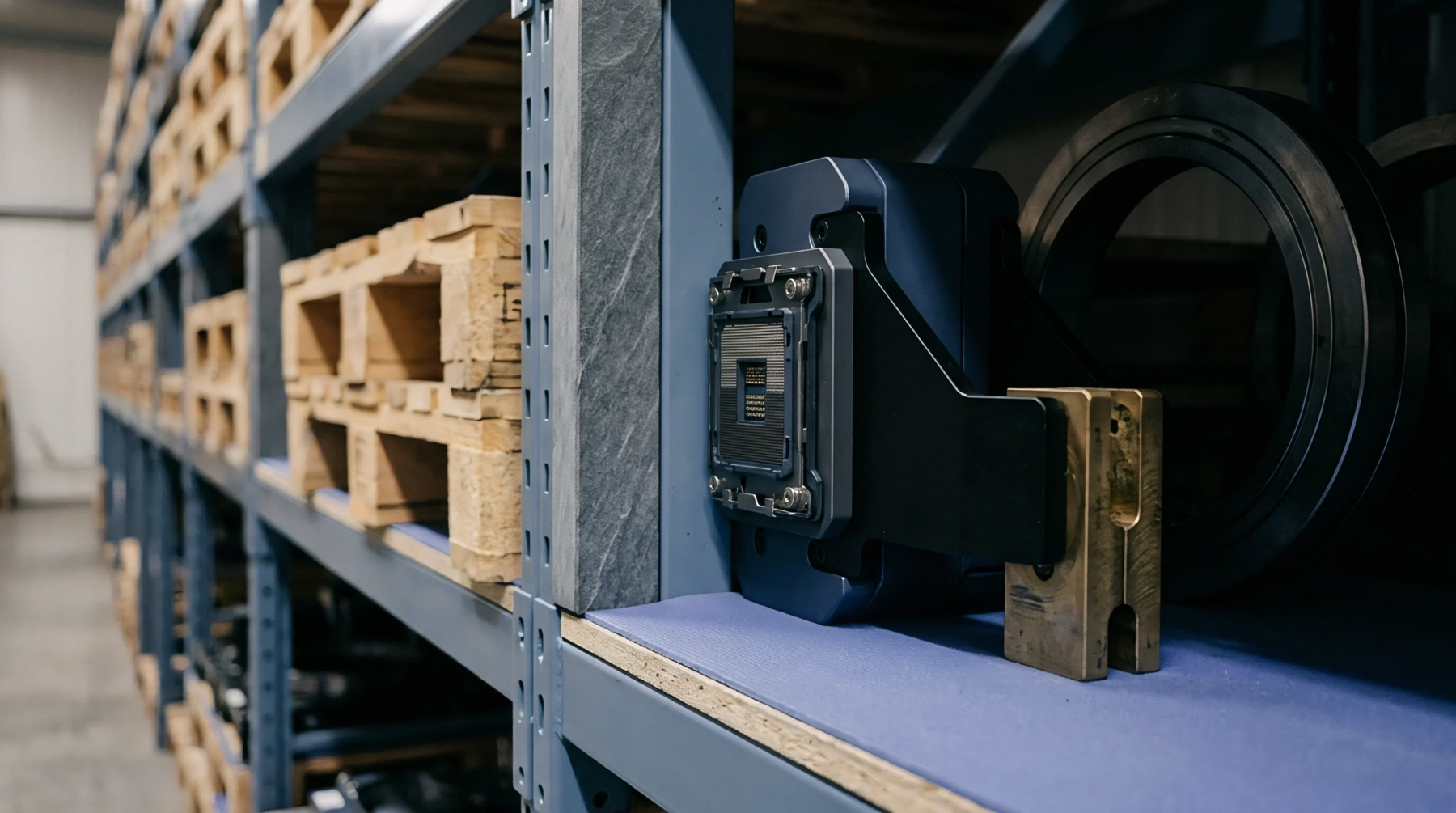
Establishing automated test fixture criteria requires defining pin mechanics, software source rights, telemetry specs, and NRE asset transfer in module supply contracts.

Micro-asperity tunneling across oxide barriers drives dynamic intermodulation shifts in millimeter-wave test sockets, demanding strict scrub and force control.

Deterministic register verification requires post-reset bitwise snapshotting, shadow register diffing, and strict bit-masking HAL drivers across multi-site handovers.

Ground allocation distributes warranty liability across hardware tiers based on integration depth, physical root cause, and explicit contract caps.

Unbundling engineering deliverables separates physical component supply from native design files, firmware repositories, and test fixtures, ensuring dual-sourcing rights and transparent landed costs.

Cryptographic key custody requires FIPS 140-3 HSM injection, credit-metered factory proxies, and strict scrap certificate revocation.

Choosing between radio modules and discrete layouts balances upfront NRE fees and compliance testing against per-unit BOM costs and production volume thresholds.

Draft engineering test requirements by binding parametric limits to specific fixture loss compensations, statistical sampling schemes, and clear failure remedies.

Establishing multi-region automated test jig calibration traceability requires cryptographic hardware verification, automated offset loopback paths, and strict uncertainty budget guardbanding.

Initial contact resistance degradation in RF test sockets increases insertion loss and alters impedance matching, requiring dry-circuit Kelvin monitoring.

Silicon stepping qualification requires register-level ID verification, driver patch synchronization, RF harmonic re-testing, and contractually defined NRE cost allocation.

Metal layer changes alter integrated transceiver parasitic reactances, corrupting factory calibration matrices and degrading RF performance without recalibration.
Monitor probe contact resistance drift dynamically to replace worn pins before false failures corrupt production yield metrics and inflate testing costs.

Auditing physical asset wear and unfulfilled engineering deliverables offsets unamortized NRE claims during second-source semi-custom module transitions.

Splitting manufacturing allocations causes yield divergence from stencil, reflow, and ATE variances, driving landed cost premiums up through scrap and NRE.

Automated multi-site boundary scan verifies module registers by routing broadcast stimulus to parallel sockets with isolated per-site response comparators.
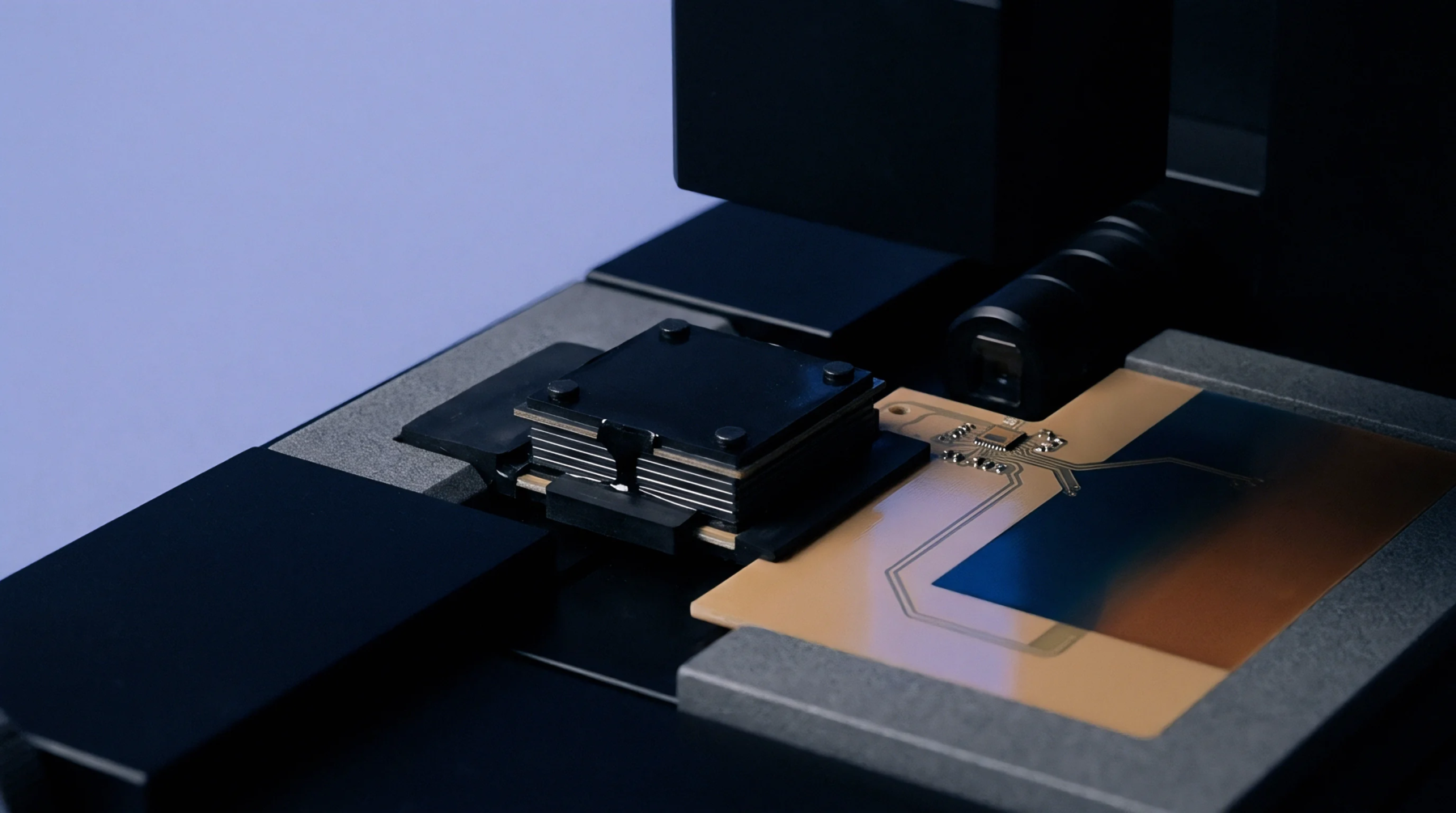
Dynamic register translation tables stored in OTP fuses or resolved at boot allow a single master firmware binary to run across varying multi-site hardware revisions.

Secondary source bring-up generates positive Net Present Value when unit cost savings and risk offsets exceed fixed tooling and qualification expenses.

RF SOI switch FET stacking ratio and negative substrate biasing set second and third harmonic suppression below mandatory carrier acceptance ceilings across mismatch.
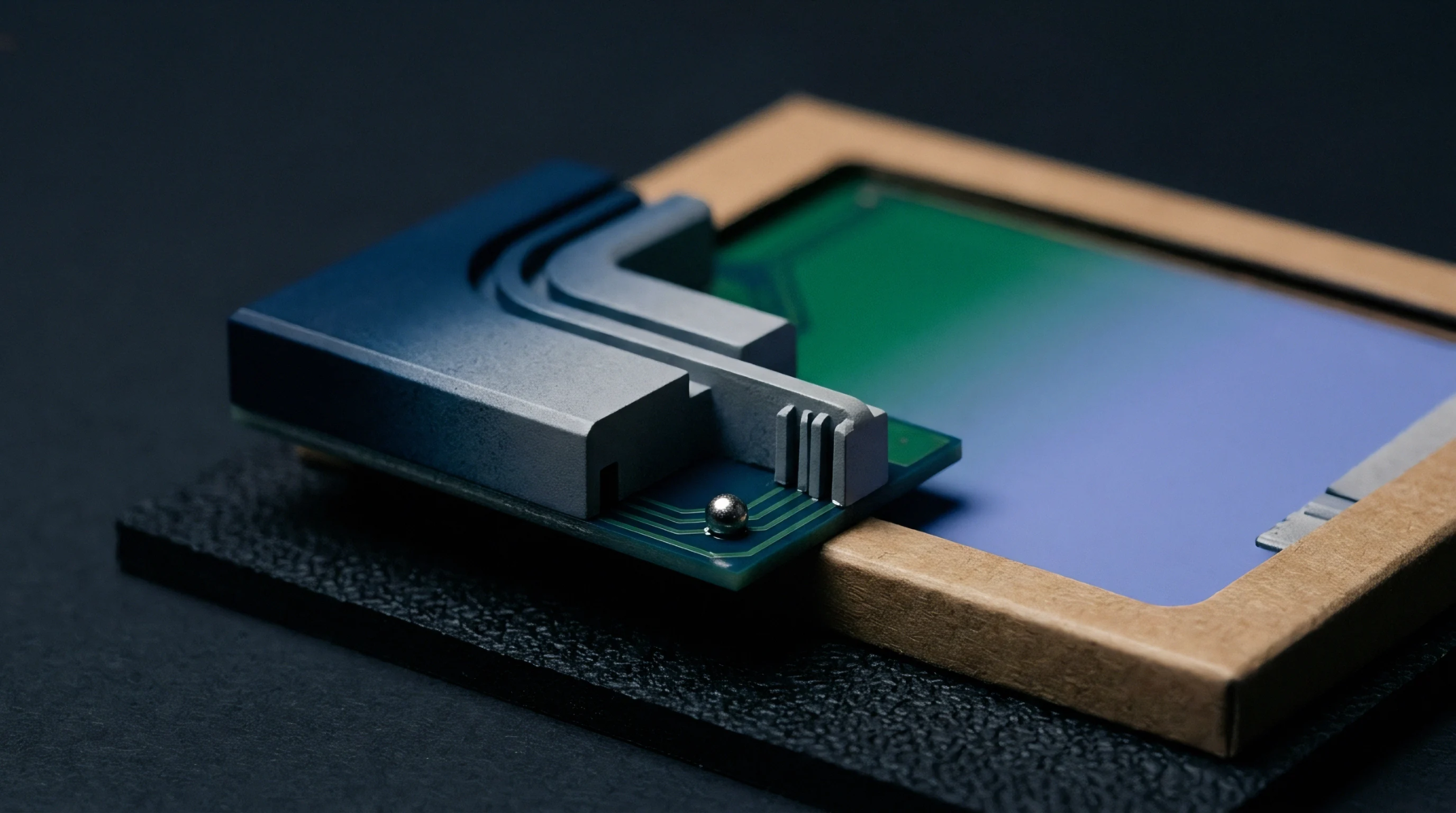
Dynamic firmware abstraction protocols and standardized test jigs eliminate operational failures caused by asynchronous silicon errata across alternate factories.

Turnkey wireless module source handovers demand native CAD databases, compiled BSP source trees, test fixture scripts, and explicit IP assignment clauses.

Designing automated contact interface boards for high-volume semiconductor testing requires balancing pin wiping mechanics, high-frequency signal integrity, and mechanical stiffener design to prevent substrate deflection under multi-hundred-kilogram contactor loads.

Statutory possessory liens override arbitral emergency surrender orders until the buyer confirms the order in local court or substitutes cash escrow.
Managing firmware escrow and design transfers requires verified deterministic toolchains, complete EDA files, and factory test fixture documentation.

Cross-border packaging agreements assign redistribution layers and bonding recipes through explicit work statements to prevent offshore vendor lock-in.

Dual-sourced baseband register drift requires low-level polling drivers and contractual ninety-day change notification clauses to eliminate silent field lockups.
Expertise is a utility, not a secret. sentiention™ publishes its working knowledge as open reference: intelligence layer covering the materials it sources, the markets it enters, and the reference that serves both.