
Sourcing Ready Modules versus Custom Discrete Circuit Design
Sourcing ready modules minimizes upfront NRE and regulatory risk for mid-volume hardware, while custom discrete designs optimize unit landed cost at scale.
Sourcing ready modules minimizes upfront NRE and regulatory risk for mid-volume hardware, while custom discrete designs optimize unit landed cost at scale.

Second-sourcing a semi-custom module two years post-launch demands complete native CAD source files, uncompiled firmware, and validated factory test jigs.

Unbundling hidden engineering hours from unit quotations exposes true manufacturing costs, restores IP ownership, and prevents locked-in margin erosion.
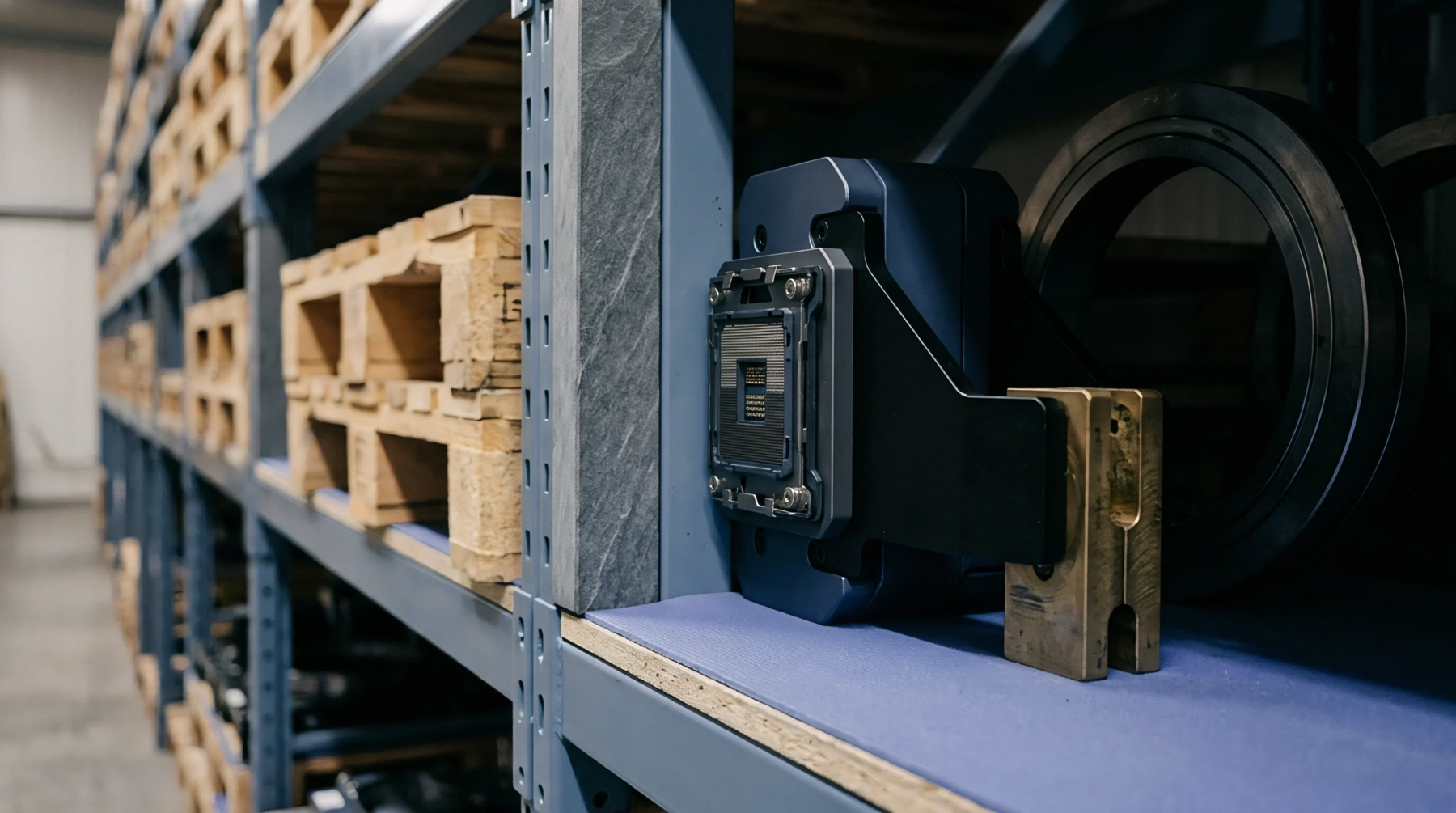
Verify crystal-less sleep synchronization by combining dynamic polynomial thermal compensation with scaled receiver guard windows to maintain sliding time buckets safely.

Unapproved silicon stepping changes alter timing, power, and register behavior; enforce 180-day PCN SLAs, automated parametric screens, and strict contract indemnities.

Design transfer success depends on complete native CAD files, containerized firmware builds, unambiguous test specs, and explicit commercial exit clauses.
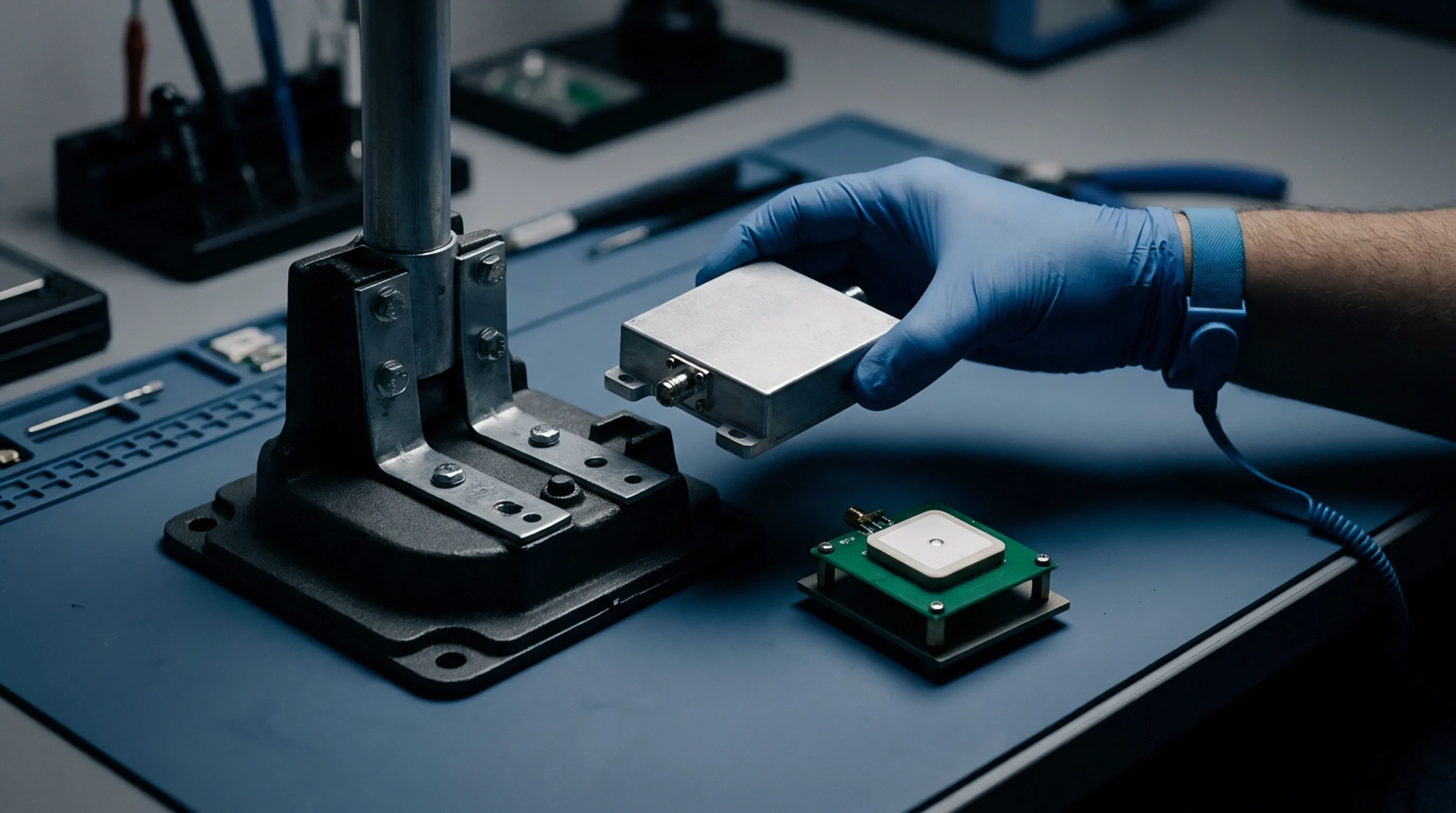
Unbundling non-recurring engineering fees from unit prices protects hardware margins and guarantees access to native design databases during manufacturing scale.

Evaluating dual source transfer packages requires auditing source documentation completeness, matching physical substrate parameters, and tracking landed costs.

Unbundling firmware drivers and test fixtures requires explicit source repositories, containerized builds, physical CAD files, and audited fixture escrow.

Module IP management requires defining baseline assets, acquiring raw CAD and containerized build packages, and securing clear derivative assignment.

Regulatory certification failure liability depends on linking contract milestone payments and indemnification clauses to accredited lab test reports.

Lock bills of materials contractually and require automated feeder verification to eliminate unannounced component substitutions in turnkey electronics sourcing.

Standardizing RF front-end pad layouts allows single-PCB hardware deployments across distinct regional sub-GHz band plans without board respins.
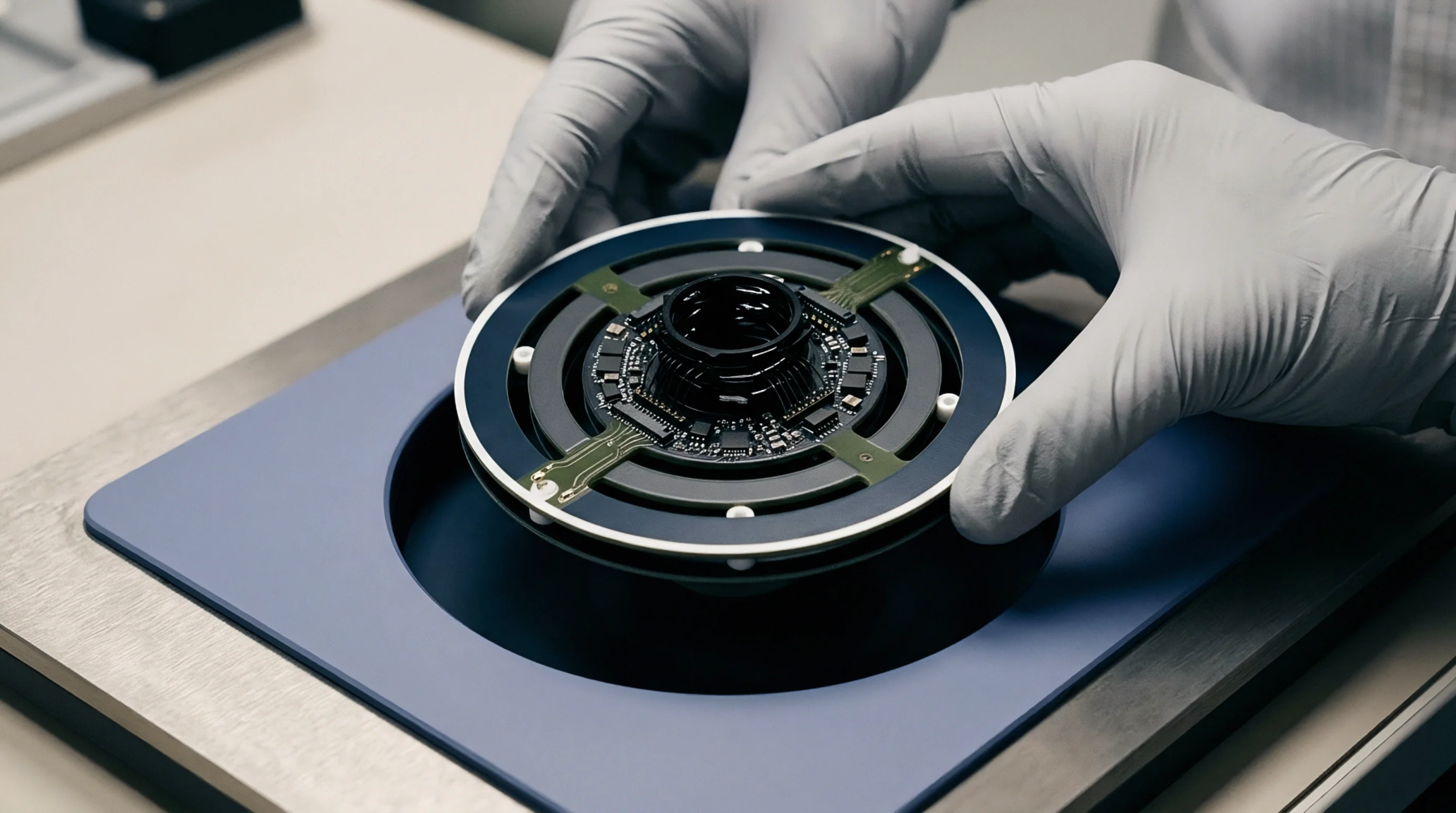
White-label products sold by competitors share baseline hardware, exposing both brands to identical silicon errata, component supply shocks, and vendor lock-in.

Establishing hardware and firmware transfer rights demands uncompiled source code, raw layout schematics, build containers, and verified test fixtures.

Post-production change control requires frozen revision baselines, strict PCN risk classification, delta testing, and explicit contractual cost allocation.

Commercial recovery for post-production hardware rework in multi-source supply chains hinges on contractual root-cause attribution and automated debit offsets.
Semicustom wireless module break-even hinges on offsetting upfront NRE and regulatory fees against unit BOM savings across yield-adjusted volume thresholds.
Securing firmware source repositories and native EDA CAD files in module procurement demands explicit foreground IP allocation and audited build scripts.

Amortizing non-recurring engineering fees hides volume risk, while secondary supplier setup demands complete native design files and independent test jig duplication.
Verifying native CAD and firmware source files during design transfer prevents unlinked components, build failures, and costly manufacturing delays.

Structure hardware escrow with bit-exact build verification, secure factory OTP traceability keys, and tie field liability to physical failure mechanisms.
Maintain a 70/30 production split with strict monthly minimum volume floors to preserve secondary line yields and protect against idle overhead surcharges.
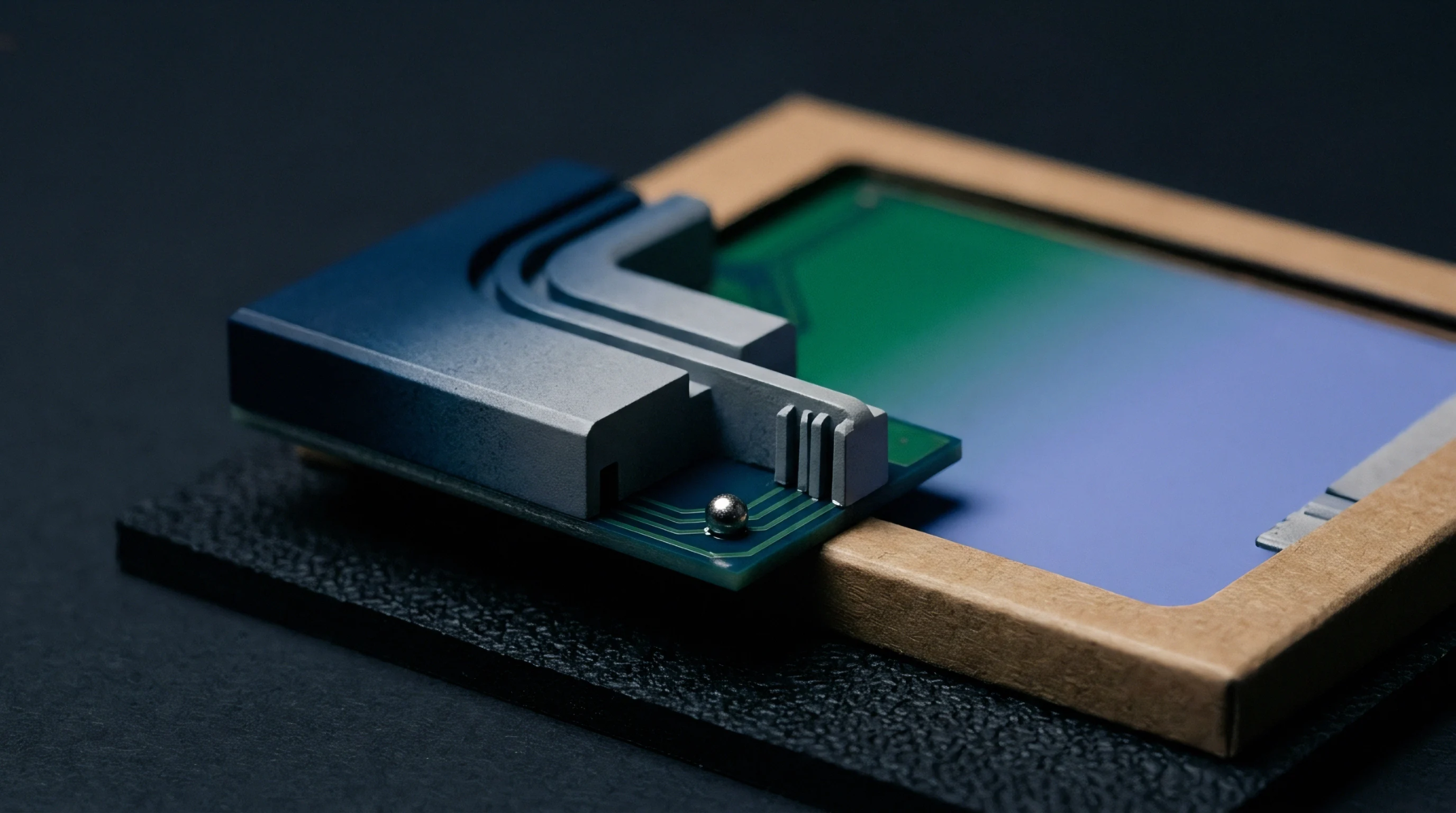
Dynamic firmware abstraction protocols and standardized test jigs eliminate operational failures caused by asynchronous silicon errata across alternate factories.

Turnkey wireless module source handovers demand native CAD databases, compiled BSP source trees, test fixture scripts, and explicit IP assignment clauses.

Managing firmware escrow and design transfers requires verified deterministic toolchains, complete EDA files, and factory test fixture documentation.

Multi-tier OSAT procurement requires binding pass-through covenants that bridge packaging liability caps with system-level field recall exposure.

Verify semicustom hardware deliverables using native CAD source files, containerized build environments, and physical bench test jigs before milestone sign-off.

Enforce hardware revision manifests signed under vendor keys to halt mismatched firmware blobs before bootloader execution damages uncalibrated board silicon.

Real receiver sensitivity requires balancing coding gain against airtime energy penalties, thermal drift, and production lot variance.
Expertise is a utility, not a secret. sentiention™ publishes its working knowledge as open reference: intelligence layer covering the materials it sources, the markets it enters, and the reference that serves both.