
Chipset End of Life Notices and the Redesign Clock
A silicon end-of-life notice demands an immediate audit of last-time-buy volumes against redesign lead times to prevent production gaps during recertification.
A silicon end-of-life notice demands an immediate audit of last-time-buy volumes against redesign lead times to prevent production gaps during recertification.

Host proximity near unlicensed module antennas degrades total efficiency and shifts harmonics over emissions thresholds requiring re-certification.

Conductive polymer composite absorption depends on balancing complex permittivity and skin depth to eliminate surface reflection and satisfy radiated emission limits.
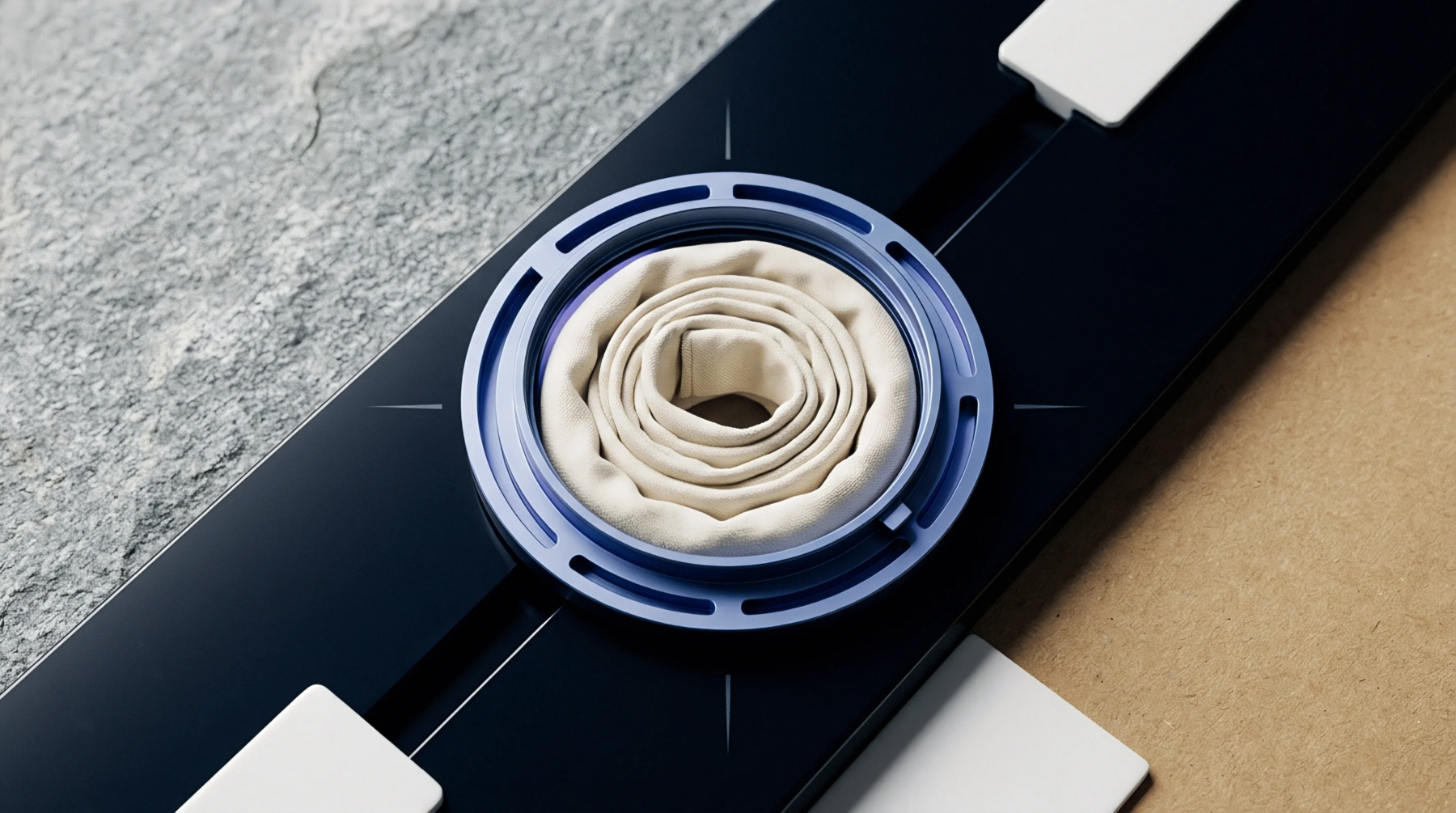
Stripping test fixture phase delay and magnitude loss from raw vector network analyzer measurements ensures true S-parameter extraction.
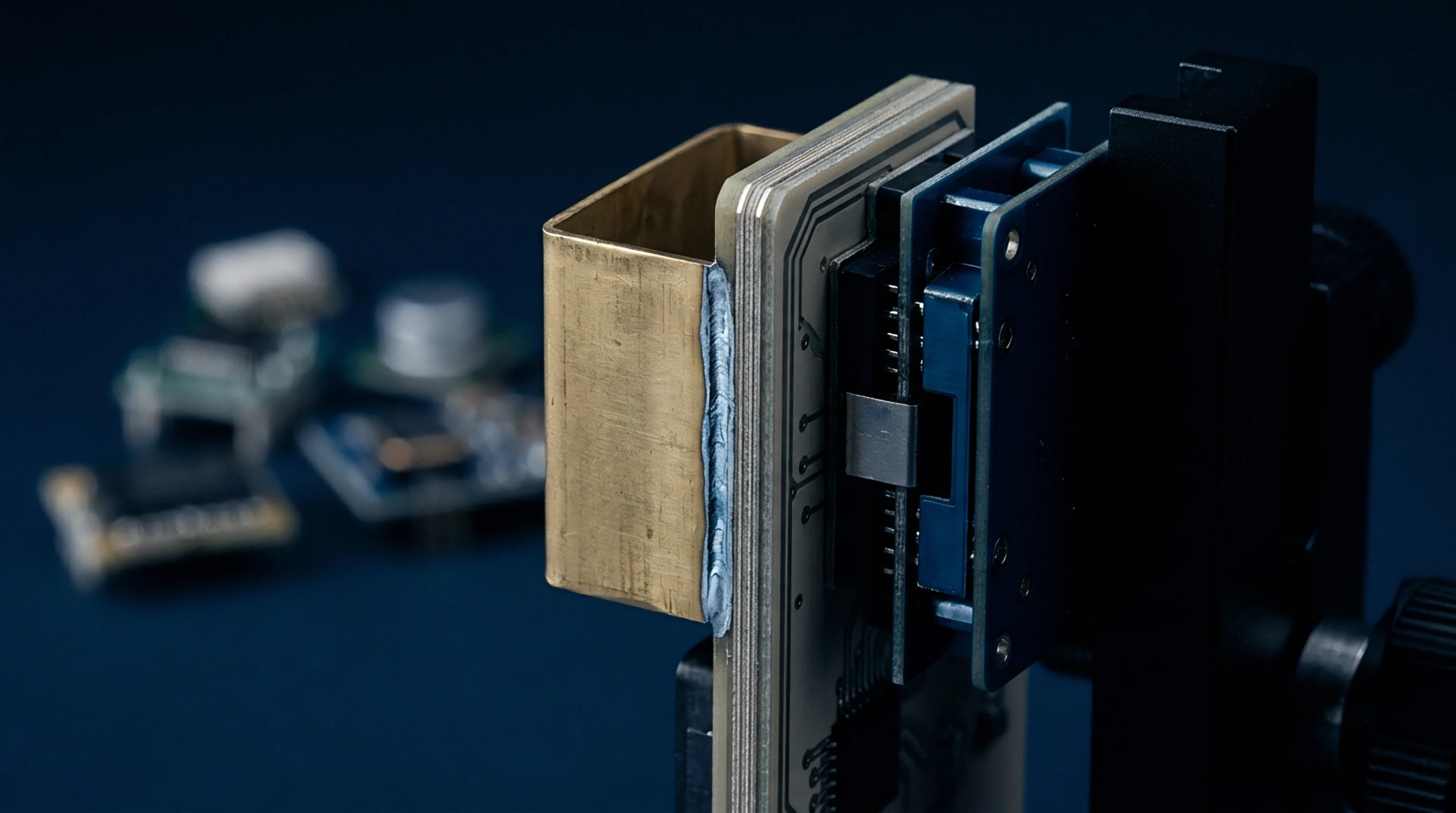
Selecting between ready modules and custom builds requires balancing upfront non-recurring costs and regulatory testing against long-term serial unit margins.

Turnkey module scope contracts must explicitly mandate native CAD schematic delivery, environmental verification limits, and test log escrow gates before initial deposits transfer.

Characterizing polymer permittivity and loss tangent under free-space conditions ensures radar enclosure attenuation remains within strict type-approval limits.
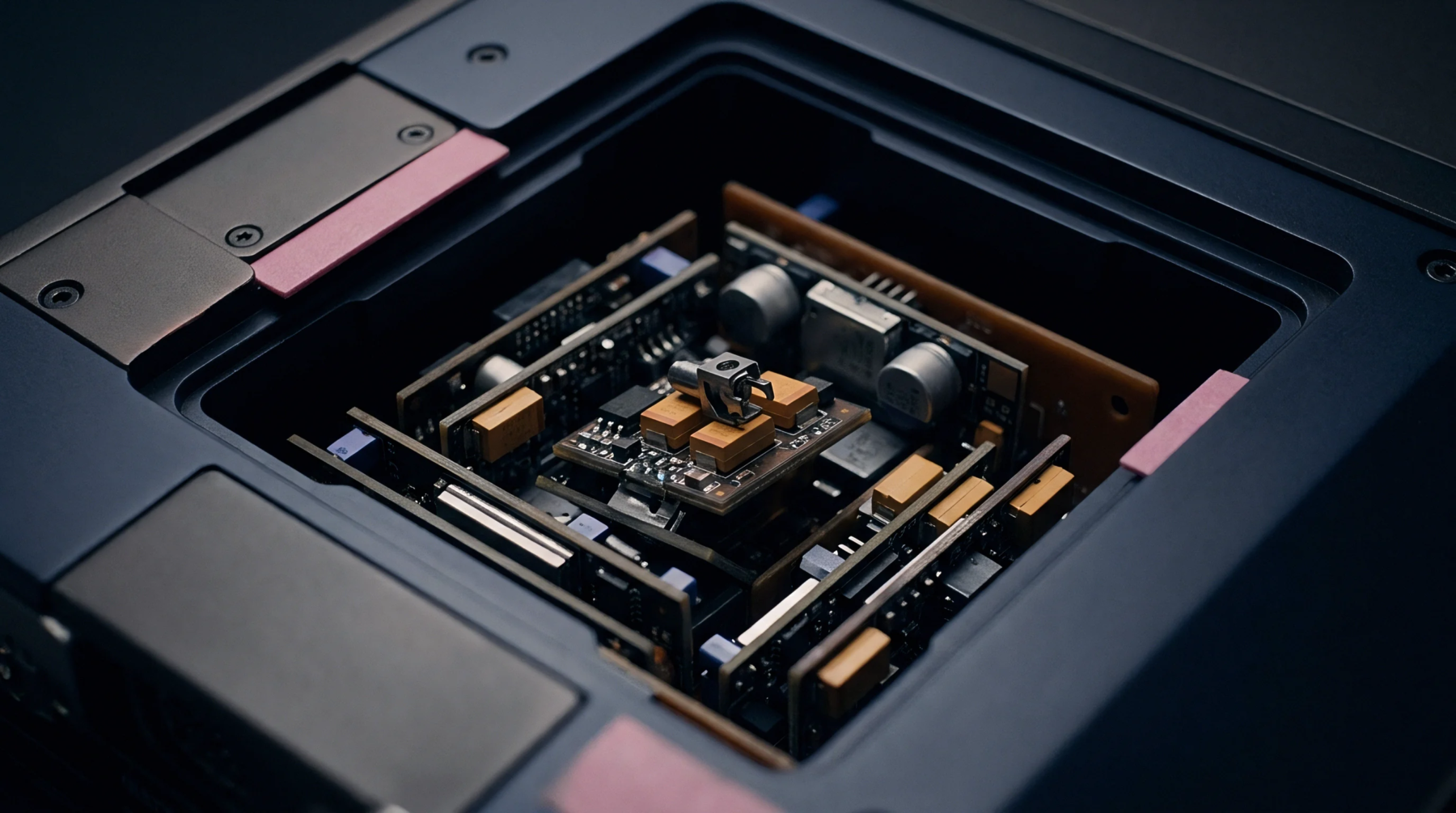
Unlicensed commercial radio access requires precise chamber testing, strict host integration boundaries, and regional type approval filings to prevent customs rejections.

Trap-rich polysilicon passivation pins interface charges on high-resistivity silicon, suppressing surface conduction and harmonic spur spikes across RF switches.
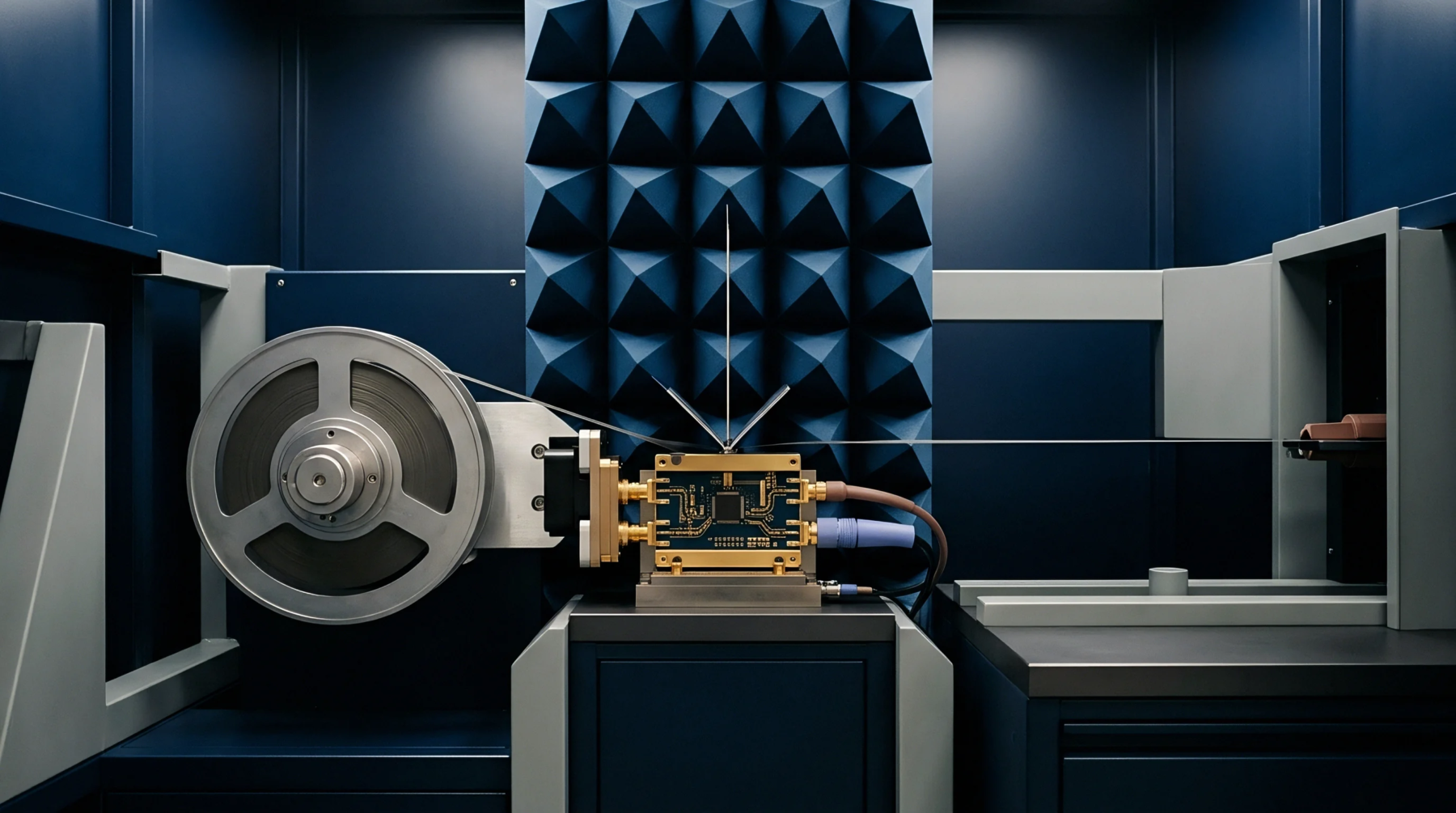
Carrier acceptance testing costs can increase unit landed expenses significantly if antenna integration failures force laboratory re-test cycles.

W-band free-space quasi-optical permittivity extraction requires sub-micron alignment and time-domain gating to ensure polymer radomes meet global type approvals.

Coordinating multi-radio permissive changes requires early intermodulation scanning, proactive grant transfers, and simultaneous SAR sum calculations before filing.
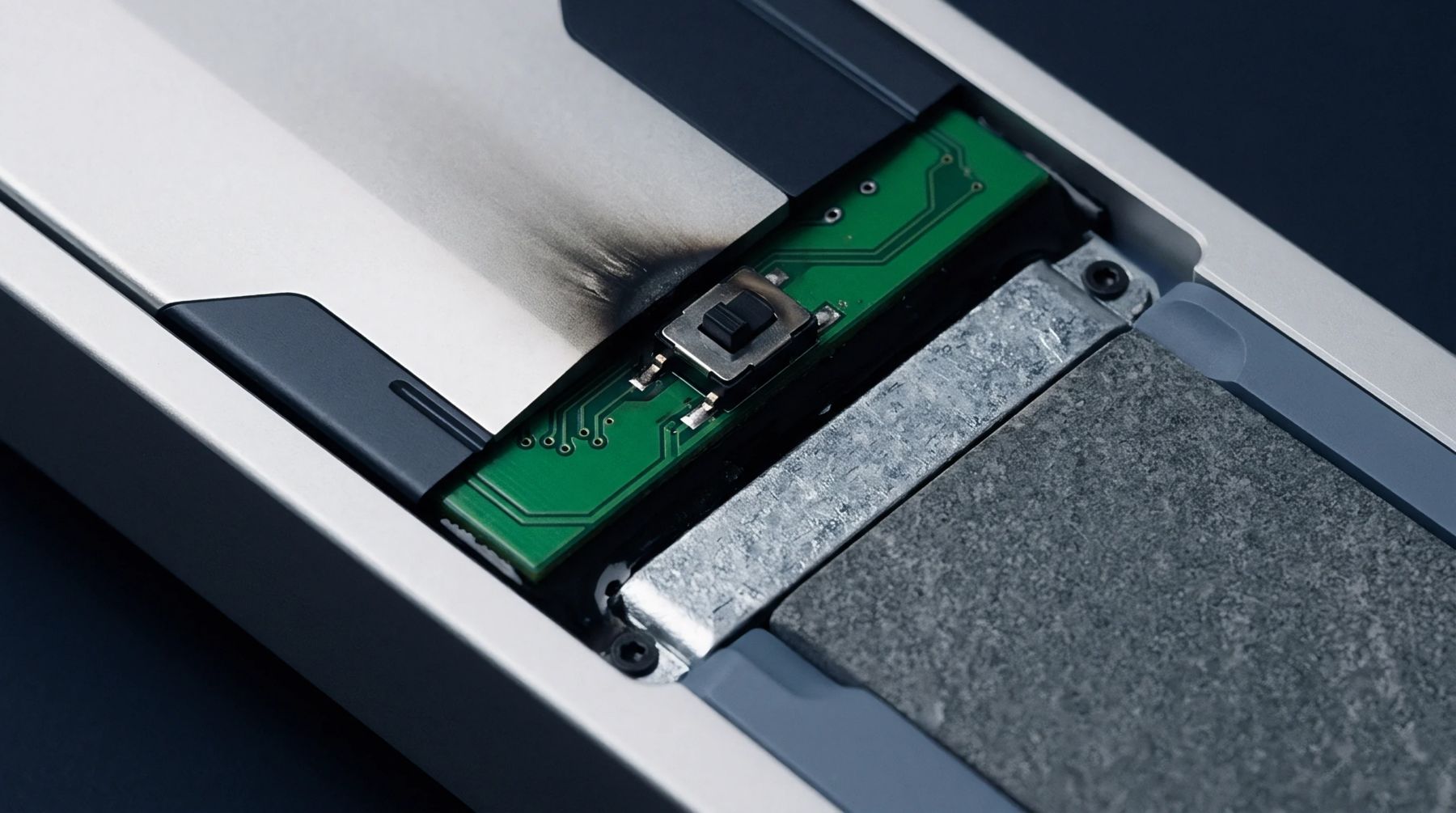
Dynamic impedance matching losses double RF current draw and accelerate battery internal resistance growth, cutting endpoint service life by over fifty percent.

Silicon die shrinks accelerate output driver edge rates and elevate parasitic inductance, requiring full signal integrity auditing and updated IBIS models before drop-in assembly signoff.

Polymer radome transmission loss at mmWave frequencies depends on dielectric loss tangent and wall thickness precision to maintain regulatory EIRP compliance.

Substrate dielectric tolerance and etch variance shift trace impedance, raising return loss and degrading RF power amplifier efficiency in custom module designs.
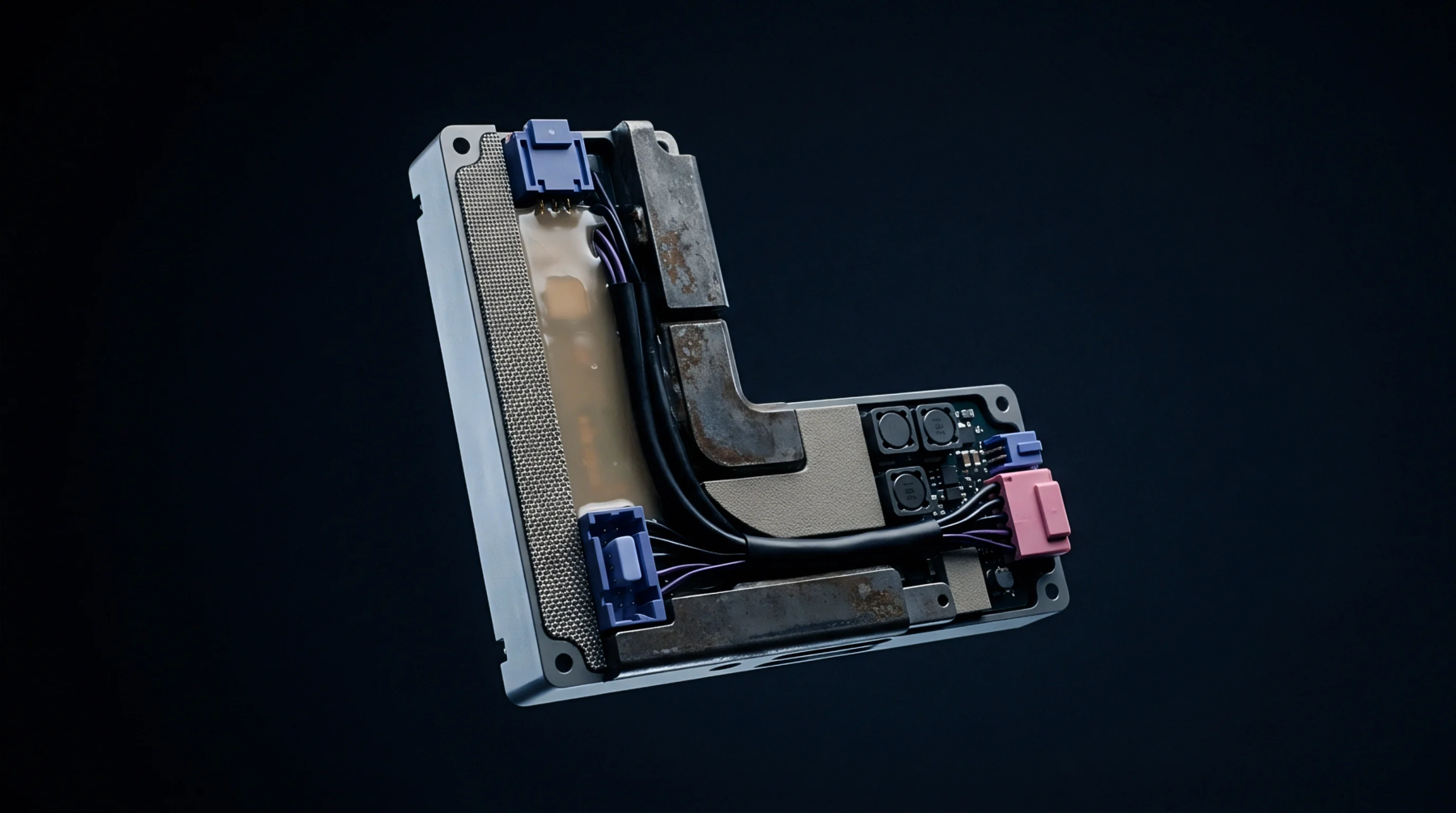
Free-space W-band polymer testing requires precise spot-focused optics, strict sample thickness tolerances, and validated TRL calibration to prevent radome detuning and costly regulatory re-certification delays.

RF micro-coaxial insertion loss escalates through skin-depth resistance, dielectric loss tangent shifts, mechanical flex displacement, and atmospheric oxidation.
Contractual allocation of RF redesign costs requires an Interface Control Document stackup baseline, binding change orders, and tiered liability thresholds.

Early co-simulation of enclosure dielectric loading and counterpoise geometry prevents costly mold tooling revisions and regulatory recertification delays.

Standardizing RF front-end pad layouts allows single-PCB hardware deployments across distinct regional sub-GHz band plans without board respins.
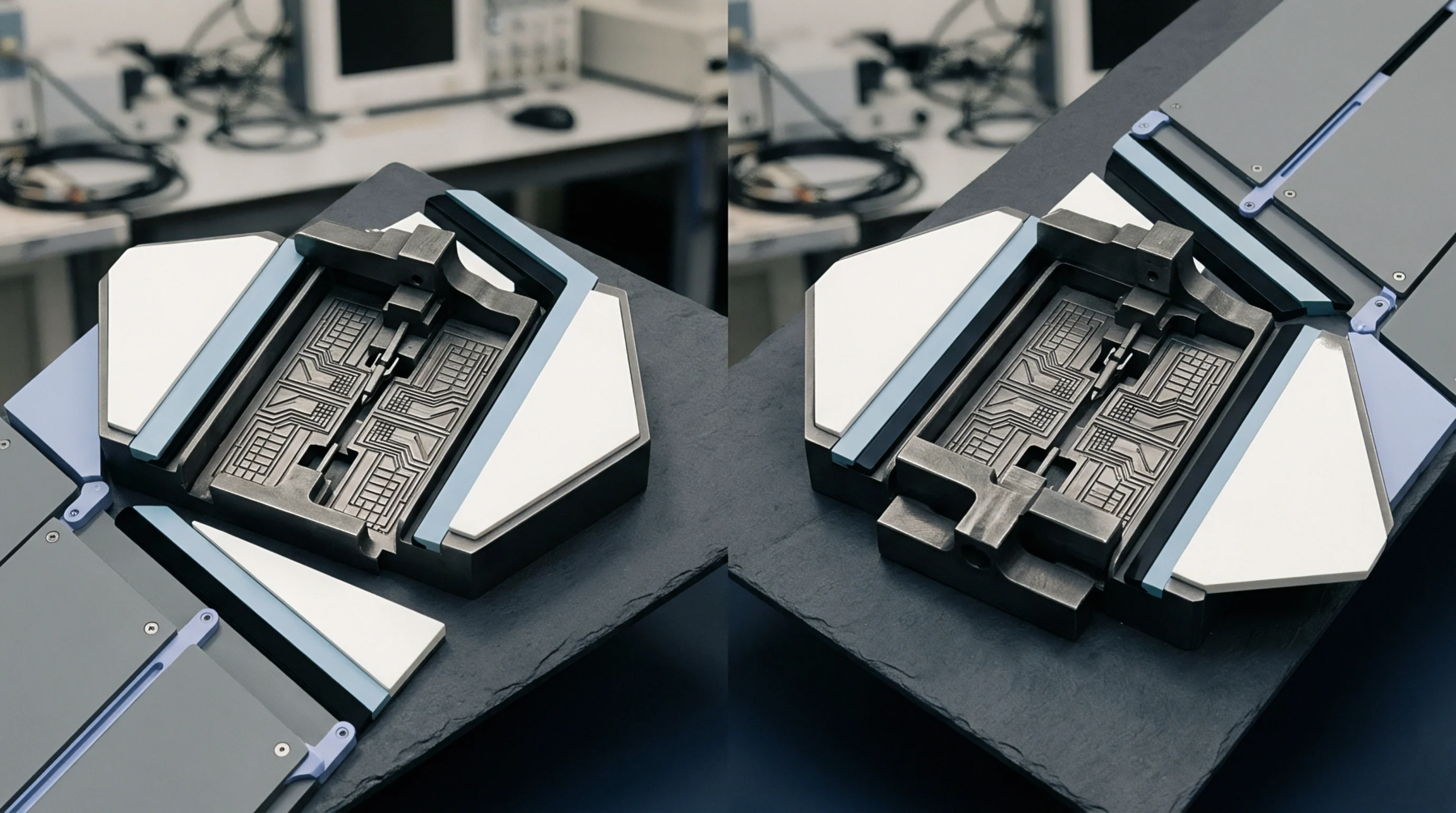
Substrate moisture absorption increases dielectric loss tangent, raising RF interconnect insertion loss and reducing long-term wireless link margins.
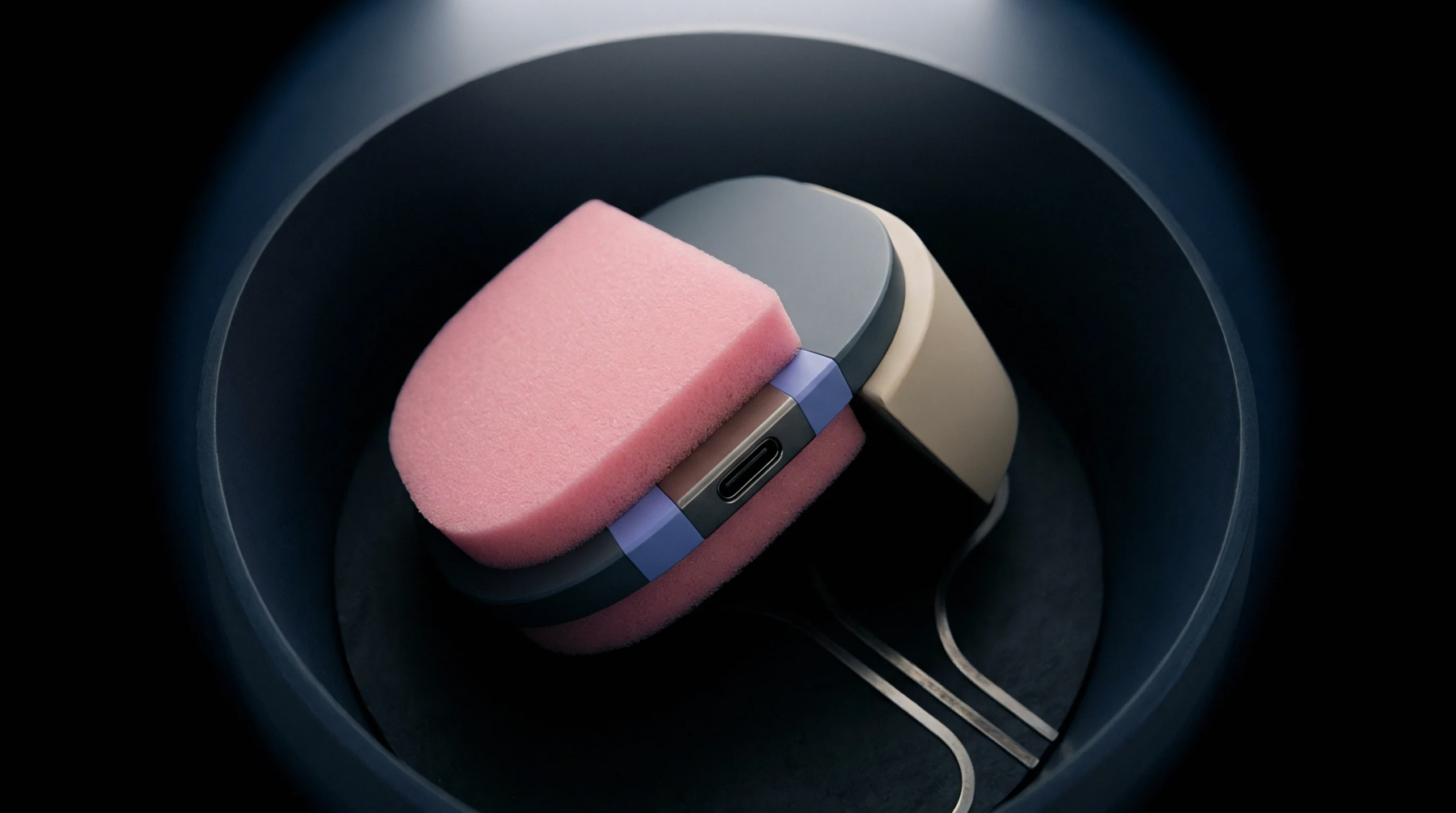
Initial contact resistance degradation in RF test sockets increases insertion loss and alters impedance matching, requiring dry-circuit Kelvin monitoring.
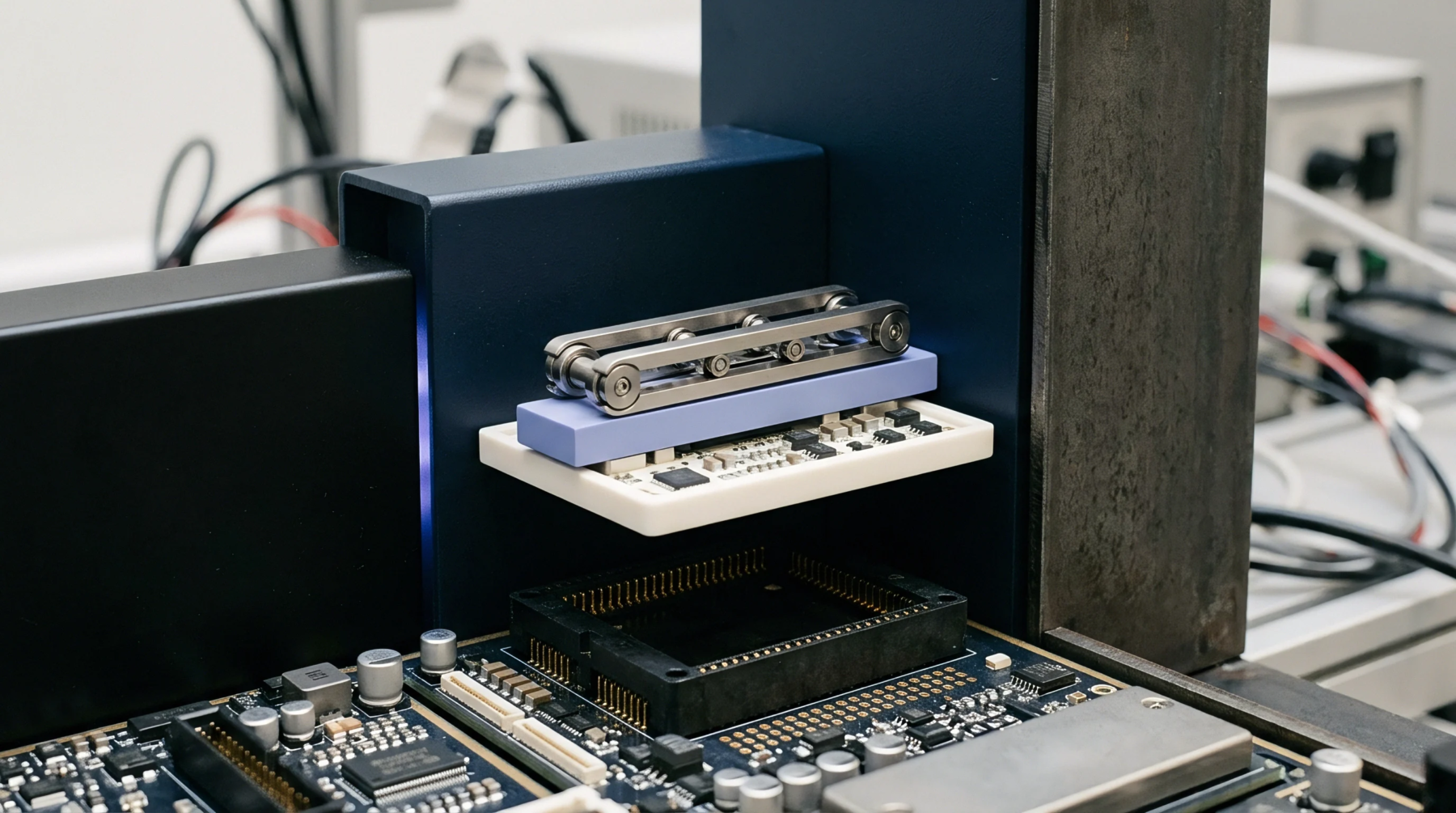
Contact oxide growth adds up to 3 dB insertion loss in RF interconnects, degrading link margin and driving retransmissions unless wiping force exceeds 0.3 N.

Precise W-band dielectric characterization suppresses radome reflection, preventing boresight errors and eliminating costly regulatory recertification cycles.

Encapsulating dual band antennas requires pre-tuning trace geometry to offset lower band and upper band dielectric loading shifts before molding.

Semicustom wireless module break-even hinges on offsetting upfront NRE and regulatory fees against unit BOM savings across yield-adjusted volume thresholds.

Subterranean cellular operation trades battery lifespan for reach through coverage enhancement modes that overcome soil attenuation and aperture slot coupling loss.

Carrier conformance testing demands strict optimization of radiated performance and protocol signaling to prevent costly hardware re-qualification delays.
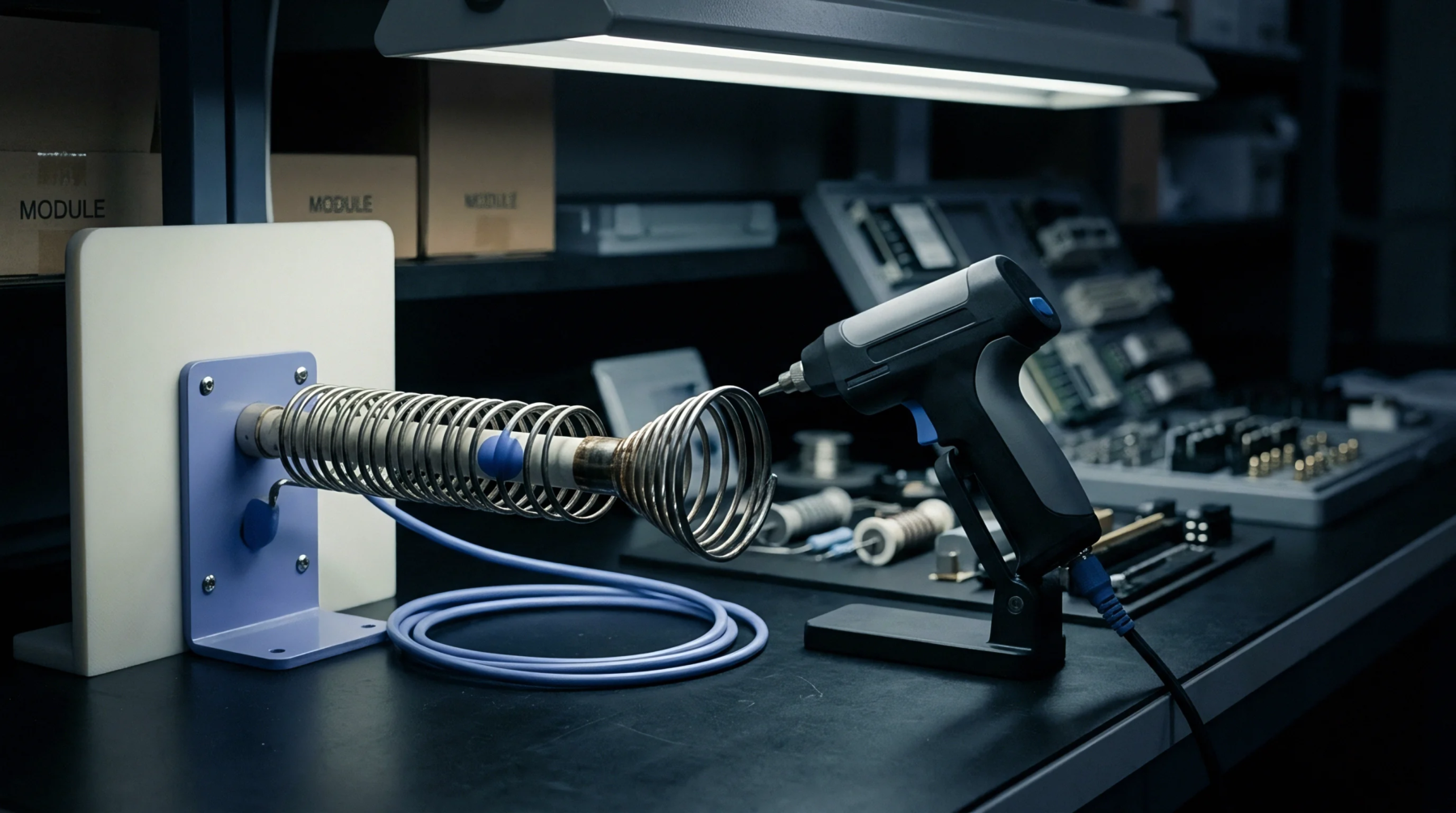
Cross site RF test jig attenuation variances demand de-embedded scattering matrices, golden board transfer protocols, and automated thermal drift offsets.
Expertise is a utility, not a secret. sentiention™ publishes its working knowledge as open reference: intelligence layer covering the materials it sources, the markets it enters, and the reference that serves both.